

Steve Ballmer suspended by NBA for a year over Clippers' Kawhi deal
The league's 35-page report calls the former Microsoft CEO's denials 'inaccurate (at best)' and hits the Clippers with a $30 million fine and lost draft picks.
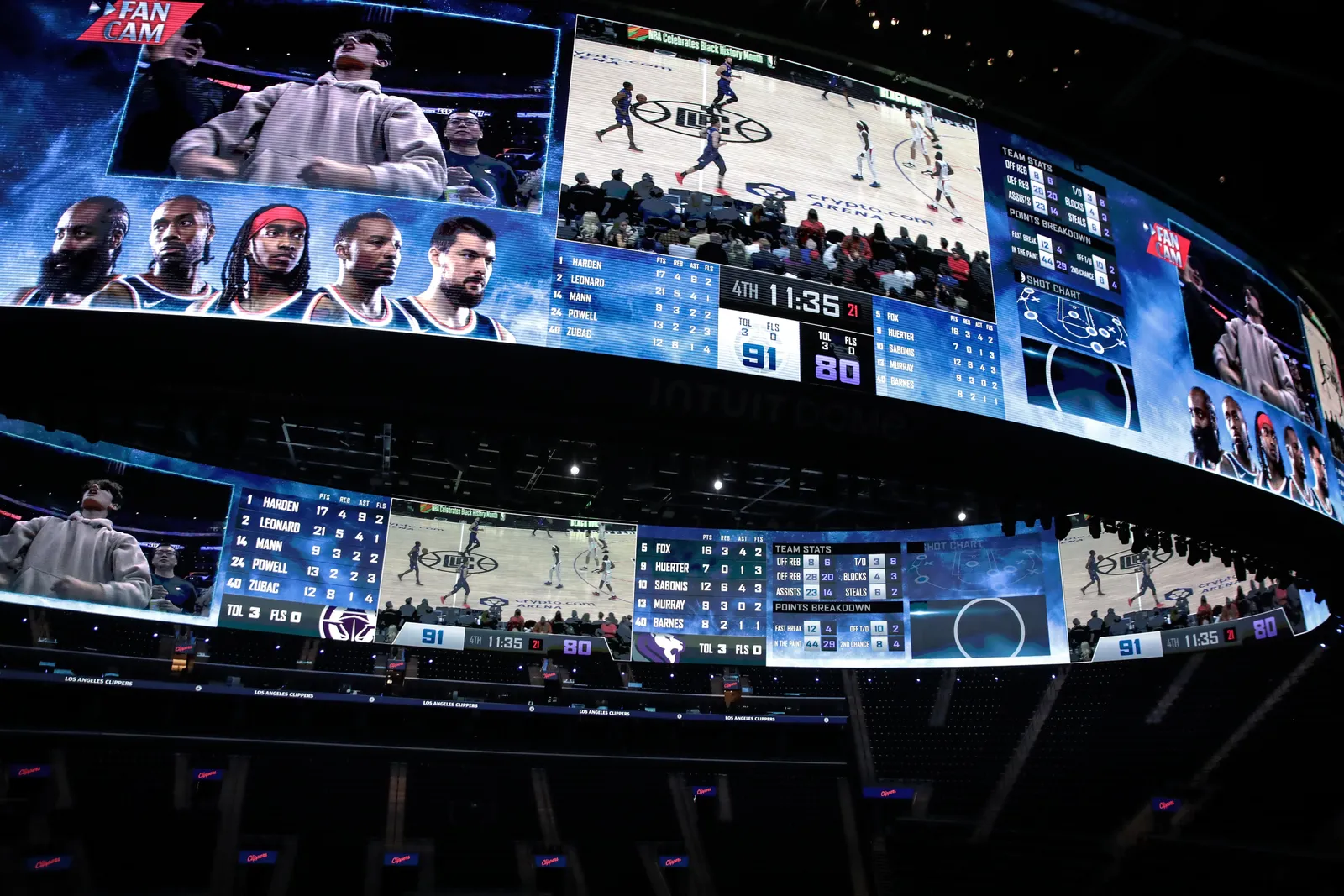
NBA commissioner Adam Silver suspended Los Angeles Clippers owner Steve Ballmer for one year and fined the team $30 million after an independent report found he made false statements about a $28 million Kawhi Leonard endorsement deal. The penalty signals that league owners face real accountability for misleading investigators, with draft picks forfeited and reputational damage that extends beyond the court.
Steve Ballmer, the former Microsoft CEO and owner of the Los Angeles Clippers, has been suspended by the NBA for one year and fined $30 million after a league-commissioned investigation concluded he made false statements about a $28 million endorsement arrangement involving star forward Kawhi Leonard. The penalty, announced alongside the forfeiture of five future draft picks, stems from a 35-page report by the law firm Wachtell, Lipton, Rosen & Katz that directly contradicted Ballmer's public denials. The report said Ballmer's claims were "inaccurate (at best)" and that statements from Clippers president of basketball operations Lawrence Frank were "clearly false." The suspension means Ballmer cannot attend NBA events or represent the team in league matters for the next year, though he retains ownership of the franchise he bought for $2 billion in 2014.
The controversy traces back to last September, when Ballmer insisted in an ESPN interview that the Clippers were not involved in a suspicious $28 million endorsement deal for Leonard that involved no actual endorsing. The arrangement, which paid Leonard for promotional work he never performed, drew scrutiny because it appeared to function as a way to compensate the star player outside the league's salary cap rules. The NBA's investigation, launched after that interview, found that the deal was not an isolated mistake but part of a broader pattern of under-the-table compensation designed to give the Clippers a competitive advantage. The league's decision to suspend Ballmer personally, rather than merely fine the team, is a rare and forceful rebuke of an owner, signaling that the NBA views misleading investigators as a serious breach of trust.
For context, the NBA has a history of punishing teams for violating its anti-circumvention rules, which are designed to maintain competitive balance by preventing wealthy owners from using side deals to attract or retain players. The Minnesota Timberwolves were fined $250,000 in 2000 for a similar violation involving Joe Smith, and the league stripped the team of three first-round picks. The Clippers' penalty is far more severe, reflecting both the size of the deal and the league's conclusion that Ballmer and his executives lied about it. The $30 million fine is among the largest ever levied against an NBA team, and the loss of five draft picks, including four first-rounders, will hamper the Clippers' ability to build through the draft for years.
The report's language is particularly damaging for Ballmer, who built a public reputation as a data-driven, fan-friendly owner after buying the Clippers from Donald Sterling, who was banned for life in 2014 over racist remarks. Ballmer has positioned himself as a modernizer, investing heavily in the team's new Intuit Dome arena and championing analytics. The finding that he made false statements to investigators undermines that image and raises questions about his judgment, even if he retains the support of the league's other owners. The NBA's decision to suspend him, rather than force a sale, suggests the league wants to punish the behavior without destabilizing the franchise's ownership structure.
The investigation also implicates Lawrence Frank, the Clippers' president of basketball operations, whose statements were described as "clearly false." Frank's role in the scheme, and the league's decision to penalize the team rather than him individually, highlights how executives often bear the consequences of decisions made at the top. For other team owners and executives, the message is unambiguous: the NBA will not tolerate attempts to circumvent the salary cap, and it will hold the most powerful figures in the organization accountable, not just the front-office staff who execute the deals.
The suspension also has practical implications for the Clippers' immediate future. Ballmer will not be present at league meetings, draft lotteries, or other key events where owners shape the league's direction. His absence could affect the team's ability to lobby for favorable scheduling, rule changes, or other competitive matters, though the Clippers' basketball operations will continue under Frank and head coach Tyronn Lue. The forfeited draft picks will limit the team's ability to add young, cost-controlled talent, which is especially important for a franchise that has committed significant salary to Leonard and fellow star Paul George.
For decision-makers across professional sports, the case is a reminder that endorsement deals and other creative compensation structures are under increasing scrutiny. Leagues have sophisticated investigative capabilities and are willing to commission independent reports that can expose attempts to hide payments. The NBA's willingness to suspend an owner, a punishment that carries significant personal and professional consequences, raises the stakes for any executive considering similar arrangements. The Clippers' penalty also serves as a warning to players and agents who might be tempted to participate in such deals, as the reputational damage can extend beyond the team to the individuals involved.
The broader lesson for executives in any industry is that public denials, especially those made in high-profile interviews, can come back with force if an investigation later proves them false. Ballmer's ESPN interview, in which he insisted the Clippers were not involved in the endorsement deal, became a key piece of evidence in the league's case. The report's finding that his claims were "inaccurate (at best)" is a stark reminder that credibility is a fragile asset, and once lost, it is difficult to restore. For the Clippers, the next year will be defined not by their performance on the court, but by the shadow of a scandal that has cost them their owner's voice, millions of dollars, and a significant chunk of their future draft capital.
This story's Key Insights and Take-aways are locked.
Create a free account to unlock Executive Actions for one credit.
Register to UnlockAlways free for Executives Club members. Join the Club
More in Business
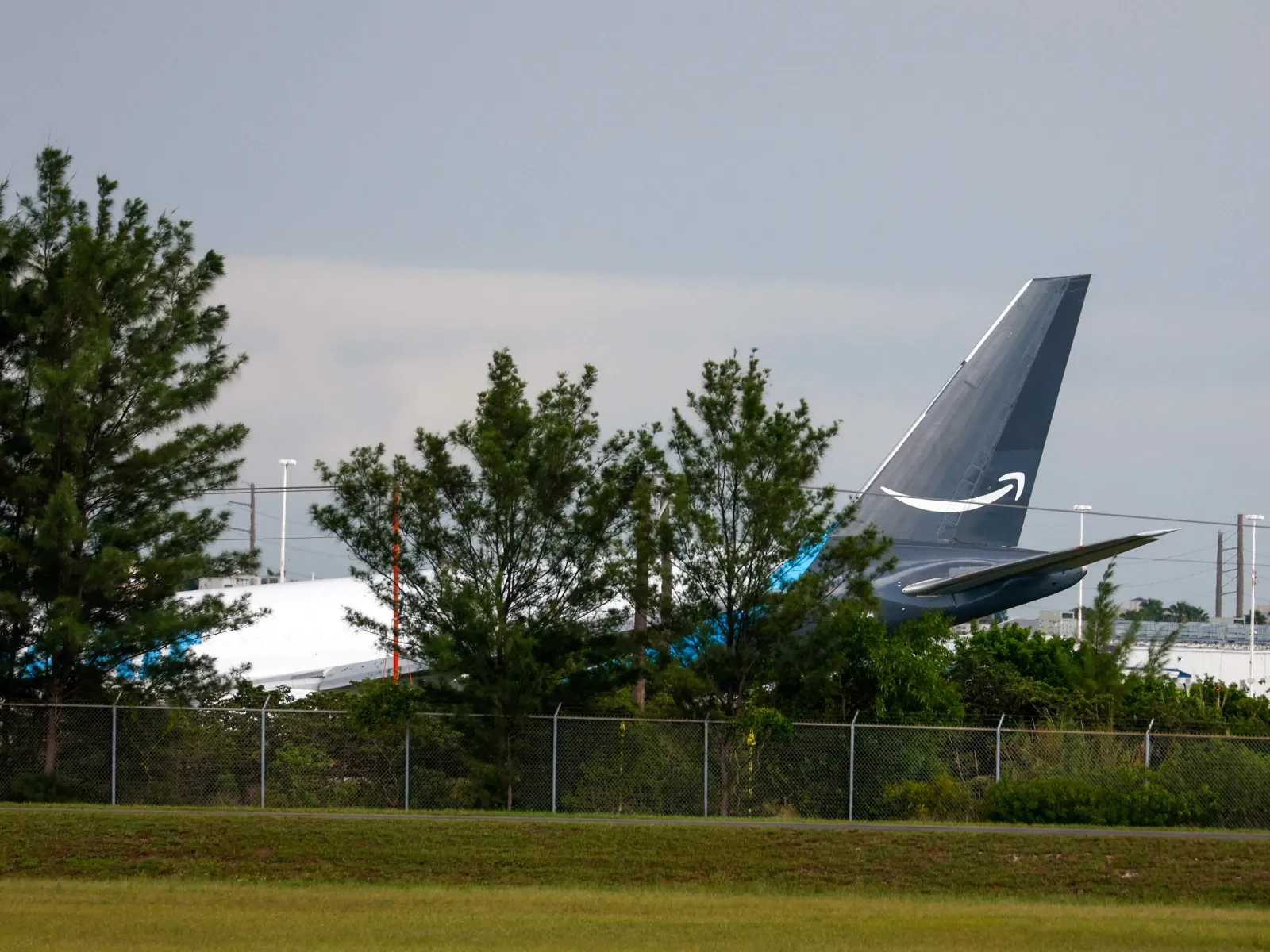
Amazon Prime Air 767 overshoots Miami runway, killing at least 5
The Boeing 767 freighter from San Juan struck vehicles and erupted in flames, prompting a ground stop and a fresh NTSB investigation into Amazon's air cargo network.

Death sentence for TV presenter Sarah Khalifa: Egypt's drug case hits media
The sentencing of Sarah Khalifa and 11 others underscores the severity of Egypt's anti-drug laws and the exposure of public figures to capital punishment.
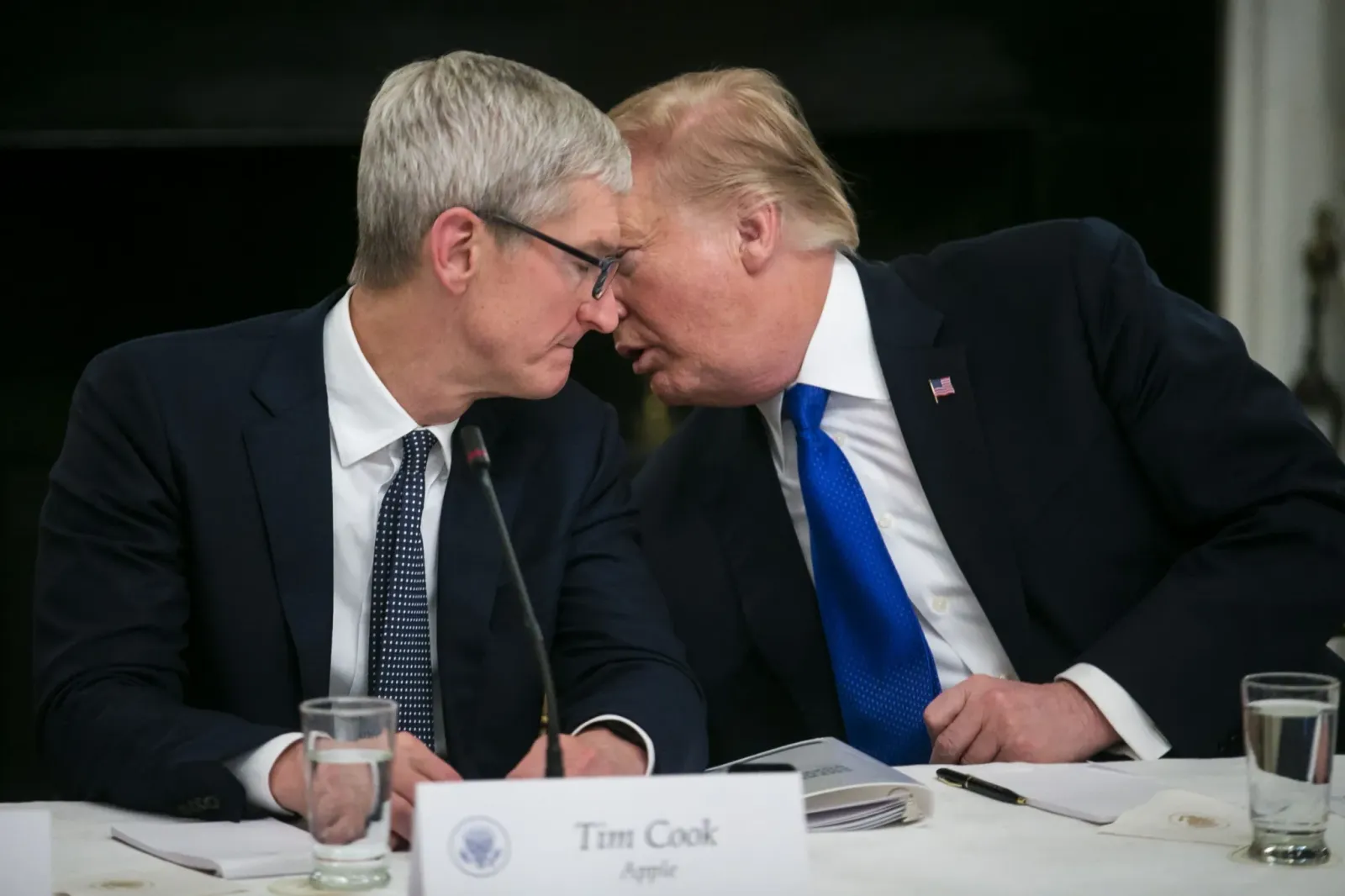
Tim Cook steps down as Apple CEO, stays on as chair with $45M equity
The 'Trump whisperer' keeps his White House and Beijing access as Apple navigates tariffs and a $4.6 trillion market cap.