
Stillwater surges back into streaming top 10 after Matt Damon-led neo-Western stall
A 2021 film that faded now reappears in the rankings, signaling where streaming momentum is actually hiding.
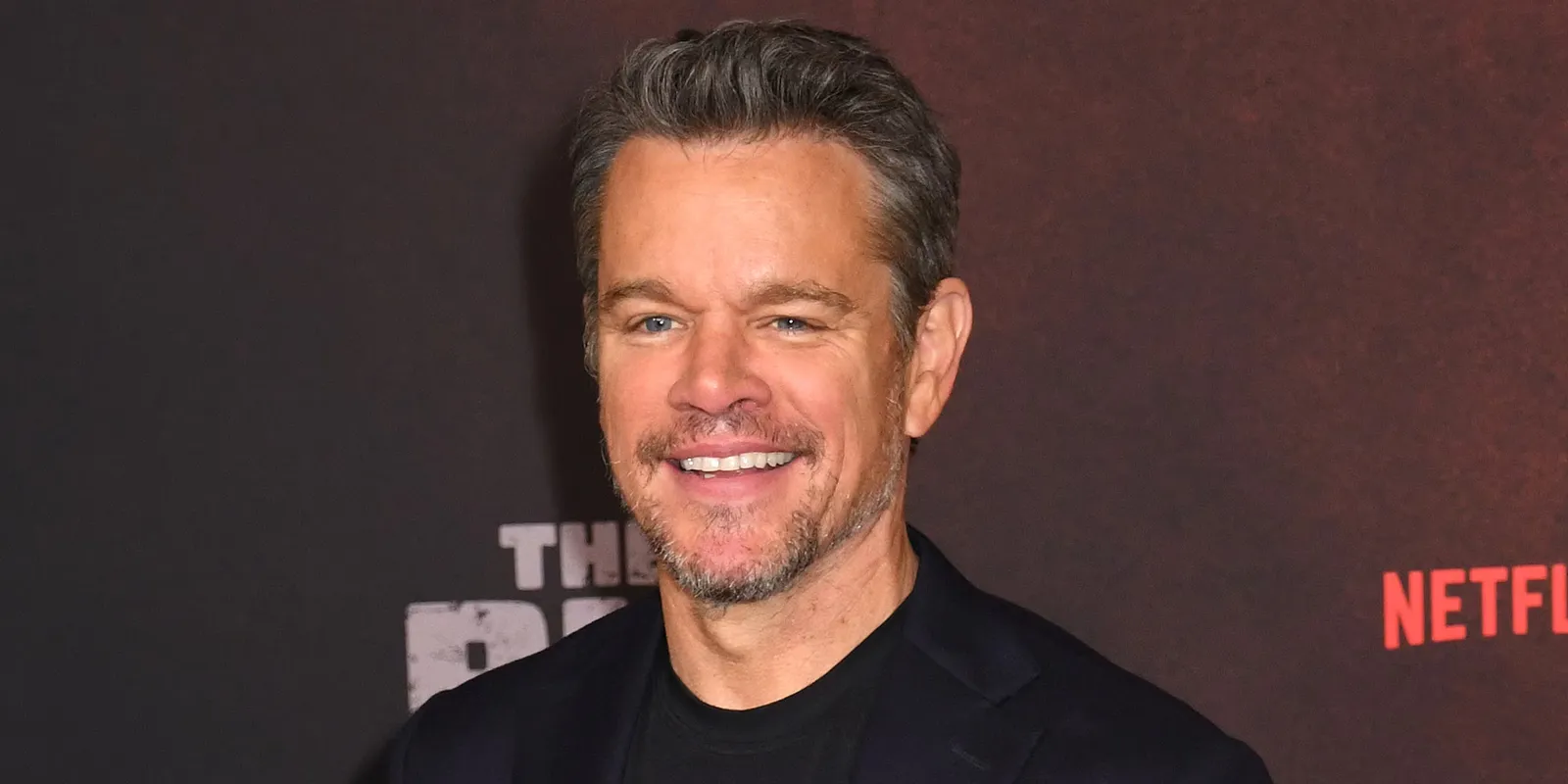
Matt Damon’s 2021 neo-Western Stillwater, co-starring Abigail Breslin, has returned to the streaming top 10 after a period of lower traction. The comeback matters for decision-makers tracking how content lifecycle and platform discovery can reverse quickly.
Stillwater is back in the streaming top 10, and it is doing it the same way executives always hope a catalog title might, but rarely gets to see. The 2021 Matt Damon-led neo-Western co-starring Abigail Breslin had “surged back” into the rankings after initially not holding its peak. In other words, this is not just a nostalgia play. It is a reminder that streaming performance can restart when the conditions around viewing change.
That distinction matters because 2026 has been a loud year for Damon specifically, and his slate shows why platforms and studios care about lifecycle behavior. Damon opened 2026 by reuniting with long-time friend and collaborator Ben Affleck for The Rip, a Netflix original crime thriller that dropped back in January. The film picked up over 100 million views before it finally lost steam in March. Damon then followed The Rip with The Odyssey, a historical epic from director Christopher Nolan, and the source says it is already shattering records at the box office on its way to becoming one of the highest-rated movies of all time.
Put those together and the pattern becomes clearer: Damon can deliver attention spikes, but not every project sustains momentum the same way. The Rip got a massive view count, then cooled off by March. The Odyssey is currently benefiting from a different kind of heat, box office velocity and critical reception. And Stillwater shows a third possibility: even if a title fades after launch, it can resurface in streaming discovery later, landing in the top 10 once again.
For executives, the practical question is not “Did it do well?” It is “What changed after the initial wave?” Streaming rankings are usually shaped by real-time viewing and engagement signals that can be influenced by multiple moving parts, including catalog surfacing, audience resets, and the broader attention climate around cast and creators. Damon is a useful case study because he is simultaneously running multiple attention cycles in 2026, from Netflix to theaters to high-profile collaborations. When an actor is actively in the news, catalog behavior often gets a second look. That does not require guessing at a specific mechanism. It does require accepting that content discovery is dynamic, not a one-time event.
There is also a board-level incentive hidden in this. If a title can rebound into the streaming top 10, it strengthens the value of the content asset beyond its opening window. That can matter when teams are modeling ROI, refinancing distribution decisions, or renegotiating rights based on performance. The lesson is not that every stalled title will revive. The source only confirms the comeback for Stillwater, not why it happened. But the consequence is still real for decision-makers: assumptions about “time decay” in streaming may be too linear.
Regulatory background is not front and center in the source, but the stakes for streaming strategy are still shaped by policy and compliance realities across markets. Regulators often focus on transparency and consumer protection around what platforms recommend, how they present content, and how audience data is used. Even when you do not see a specific regulatory action mentioned here, the broader compliance environment affects platform incentives. Platforms must balance ranking objectives and user experience with data governance and marketing rules. Catalog titles that regain top 10 placement can become part of that balancing act, because they represent performance that is measurable without needing constant new production.
Second-order implications flow from that. If Stillwater can return to the streaming top 10, executives should treat catalog as a living portfolio rather than a static library. That changes how teams staff marketing calendars, how they evaluate whether to re-promote older films, and how they think about creative partnerships. In Damon’s case, the source also shows how his career has layered different audience funnels in 2026, from Netflix originals like The Rip to a Christopher Nolan-directed theatrical event like The Odyssey. When that kind of cross-funnel visibility exists, catalog titles may get “borrowed attention,” which then turns into ranking movement on streaming.
For peers in similar roles, the strategic stakes are straightforward: streaming performance is not only an opening weekend story, and it is not only a new-release story. It is a recurring measurement. Stillwater’s re-entry into the streaming top 10 after a quieter stretch is a concrete reminder that momentum can restart, and that those restarts can be valuable for planning content pipelines, budgeting marketing spend, and forecasting returns across both subscription and platform discovery cycles.
This story's Key Insights and Take-aways are locked.
Create a free account to unlock Executive Actions for one credit.
Register to UnlockAlways free for Executives Club members. Join the Club
More in Entertainment

'It's a Magic Trick': Ballet Experts Say Rosalía's SNL Pose Is Impossible
Three ballet experts tell Rolling Stone Rosalía's gravity-defying SNL stillness shouldn't be possible - and why the debate is now part of the show.

Activision CMO: GTA 6 Will Boost Call of Duty, Not Bury It
Activision's top marketer says Rockstar's blockbuster will drive players back to consoles and into Modern Warfare 4, even as the company admits its recent strategy failed.

Justice to Score GTA 6, Share New Song with Tame Impala, SZA, King Gizzard
Rockstar taps the French duo for the GTA VI score, and the first taste is a genre-melting collab with Tame Impala, SZA, and King Gizzard & The Lizard Wizard.