

Stoke Space raises $1B for reusable rockets, targets early 2027 launch
The $1 billion Series E funds Nova Pathfinder's debut and a 15-ton Block 2 rocket, positioning Stoke to challenge SpaceX and Rocket Lab.
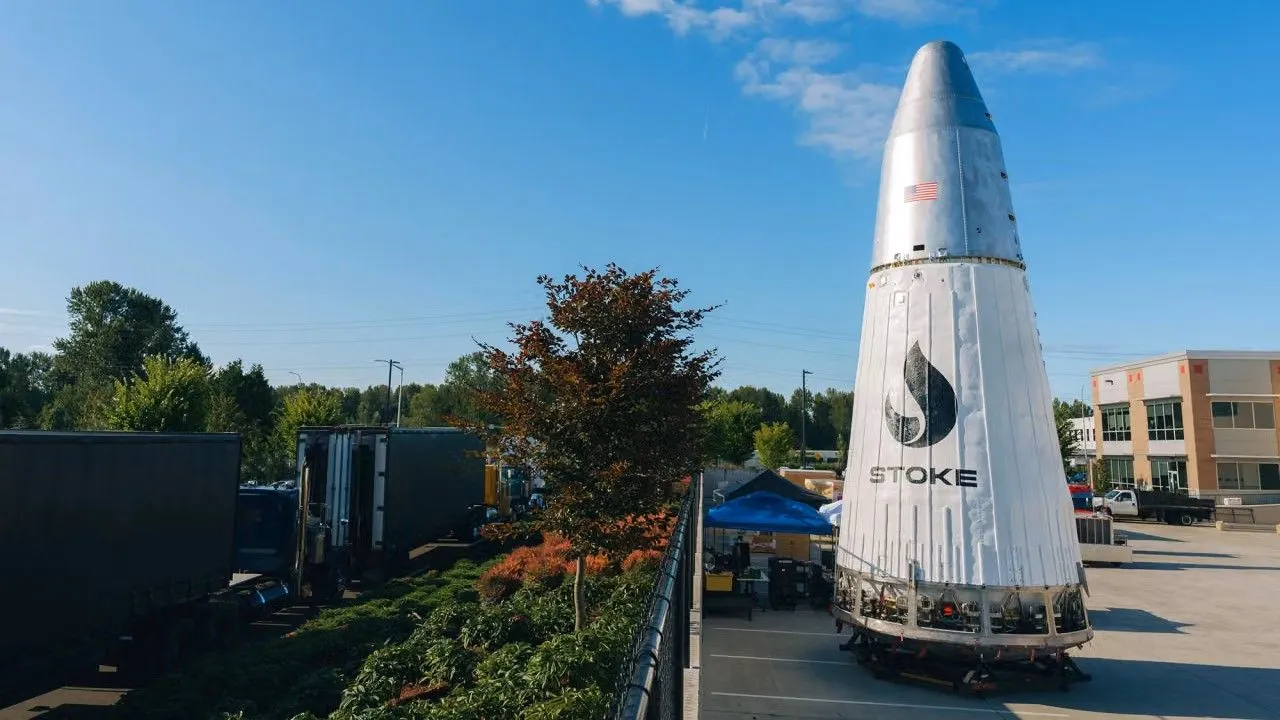
Stoke Space CEO Andy Lapsa announced a $1 billion Series E, bringing total funding to $2.3 billion, to develop fully reusable Nova rockets. The capital will fund Nova Pathfinder's early 2027 launch and the larger Nova Block 2, intensifying competition in the commercial launch market.
Stoke Space just banked $1 billion in a Series E round, bringing its total funding to $2.3 billion, and the company is making it clear exactly where that money is going: a fully reusable rocket fleet designed to take on SpaceX and Rocket Lab. CEO and co-founder Andy Lapsa framed the raise as a generational challenge, saying, "We are humbled by the trust our investors and customers have placed in us in pursuit of this critical generational challenge." The Sept. 8 announcement revealed not just funding but a roadmap: Nova Pathfinder, the company's first orbital vehicle, is targeting its debut launch in early 2027, while the newly unveiled Nova Block 2 - a more powerful rocket capable of delivering 15 tons to low Earth orbit - is slated for its first flight in 2029.
The $1 billion round is a statement of intent in a launch market where capital intensity is brutal and failure is public. Stoke's total haul of $2.3 billion puts it in rarefied air among new-space launch companies, and the company is betting that full and rapid reusability - not just partial reuse - is the key to winning commercial and national security satellite business. Nova Pathfinder is the largest first rocket ever undertaken by a U.S. launch company, according to Stoke, and it serves as the proving ground for the architecture that Block 2 will scale. Both vehicles are two-stage rockets designed from the ground up for reusability, with the first stage powered by Stoke's full-flow, staged-combustion (FFSC) Zenith engines, a cycle the company itself calls "perhaps the most difficult rocket engine cycle to develop." Pathfinder uses seven Zeniths; Block 2 will use 14.
The upper stage is where Stoke's design diverges sharply from the industry norm. Instead of a single large engine bell, Nova's upper stage features 12 small dual-thrust chambers arranged in a circle around the vehicle's base. That base is a metal heat shield, actively cooled by liquid hydrogen, rather than the ceramic tiles historically used on spacecraft like the Space Shuttle. The design is meant to solve one of the hardest problems in reusable rocketry: surviving reentry without extensive refurbishment. Stoke already proved the concept in a 2023 "hopper" test, flying the upper stage about 30 feet into the air and landing it safely. For Block 2, the company plans to give each of the 12 engines independent systems, potentially increasing thrust by more than a factor of five, and will swap Pathfinder's tapered design for cylindrical tanks to fit a 5-meter-wide fairing.
The timing is strategic. Stoke is positioning Nova Block 2 to compete directly with SpaceX's Falcon 9 and Rocket Lab's upcoming Neutron vehicle, and the company is watching a window open as SpaceX winds down Falcon 9 in favor of Starship. Elon Musk has said Starship's ultimate success "means winding down Falcon," and while NASA crew launches are expected to continue on Falcon 9 until at least 2030, the commercial and national security launch market is already looking for alternatives. Stoke's pitch is that it can offer a fully reusable vehicle with a 15-ton payload class, a size that suits large satellite constellations, just as demand from commercial and national security customers is expected to surge.
The money will also go to infrastructure. Stoke is planning a 475-acre expansion of its Moses Lake Test Site in Washington, adding to the existing 75 acres, to support propulsion and vehicle testing as Pathfinder nears launch and Block 2 hardware comes online. At Cape Canaveral Space Force Station, the company is building a new payload processing facility at Space Launch Complex-14, which it was selected to manage in 2023. And to close the loop on full reusability, Stoke is developing an offshore recovery platform, a critical piece of the puzzle for landing and refurbishing stages at sea.
For executives watching the launch market, the stakes are clear. Stoke is not just raising money; it is building a vertically integrated capability that could undercut the current duopoly of SpaceX and United Launch Alliance on price and cadence. The company's plan to keep Pathfinder in service even after Block 2 debuts suggests it sees value in offering multiple vehicle classes, a hedge against the risk that any single design fails to meet customer needs. "We see value in having more than one way to serve the market, since some missions are particularly well suited to the Pathfinder configuration," the company said.
The real test will be execution. Stoke has a credible design, a proven upper-stage engine test, and now $2.3 billion in total funding, but it still has to build, test, and fly a full orbital vehicle. The early 2027 target for Pathfinder's first launch, with a customer payload on board, is ambitious. If Stoke hits that date and follows with a successful Block 2 in 2029, it will have accomplished something no U.S. launch company has done since SpaceX: bringing a fully reusable orbital rocket to market. If it slips, the capital burn will accelerate, and the window that Falcon 9's retirement opens may close before Stoke is ready to fly through it.
For decision-makers in aerospace, defense, and satellite communications, the takeaway is that the launch market is about to get more crowded, and the cost curve is about to bend further. Stoke's $1 billion raise is a signal that investors believe reusability is the new baseline, not a differentiator. Companies that depend on launch services should be watching Stoke's progress closely, because the next few years will determine whether the market has one dominant player or several viable options.
This story's Key Insights and Take-aways are locked.
Create a free account to unlock Executive Actions for one credit.
Register to UnlockAlways free for Executives Club members. Join the Club
More in Business
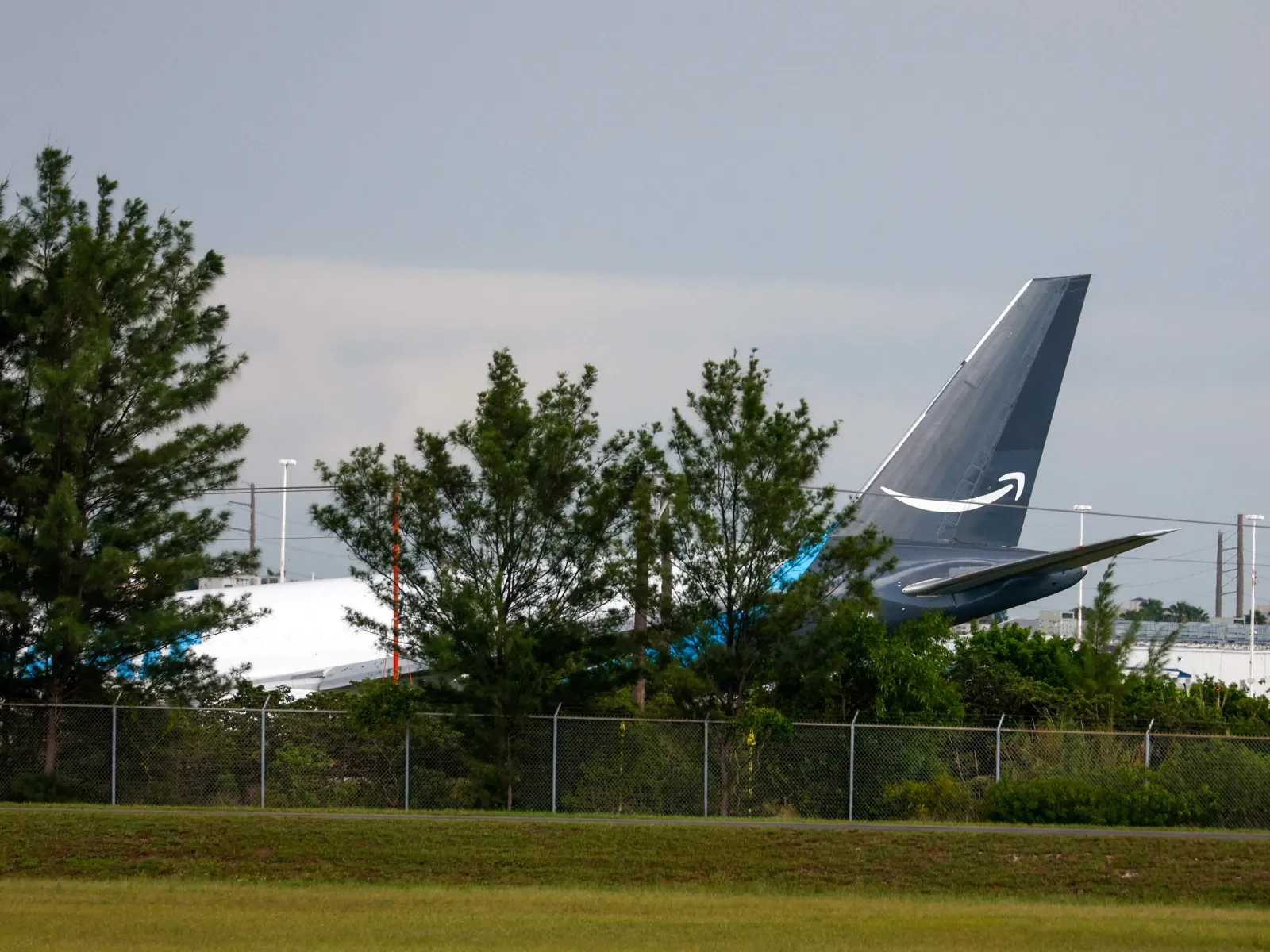
Amazon Prime Air 767 overshoots Miami runway, killing at least 5
The Boeing 767 freighter from San Juan struck vehicles and erupted in flames, prompting a ground stop and a fresh NTSB investigation into Amazon's air cargo network.

Death sentence for TV presenter Sarah Khalifa: Egypt's drug case hits media
The sentencing of Sarah Khalifa and 11 others underscores the severity of Egypt's anti-drug laws and the exposure of public figures to capital punishment.
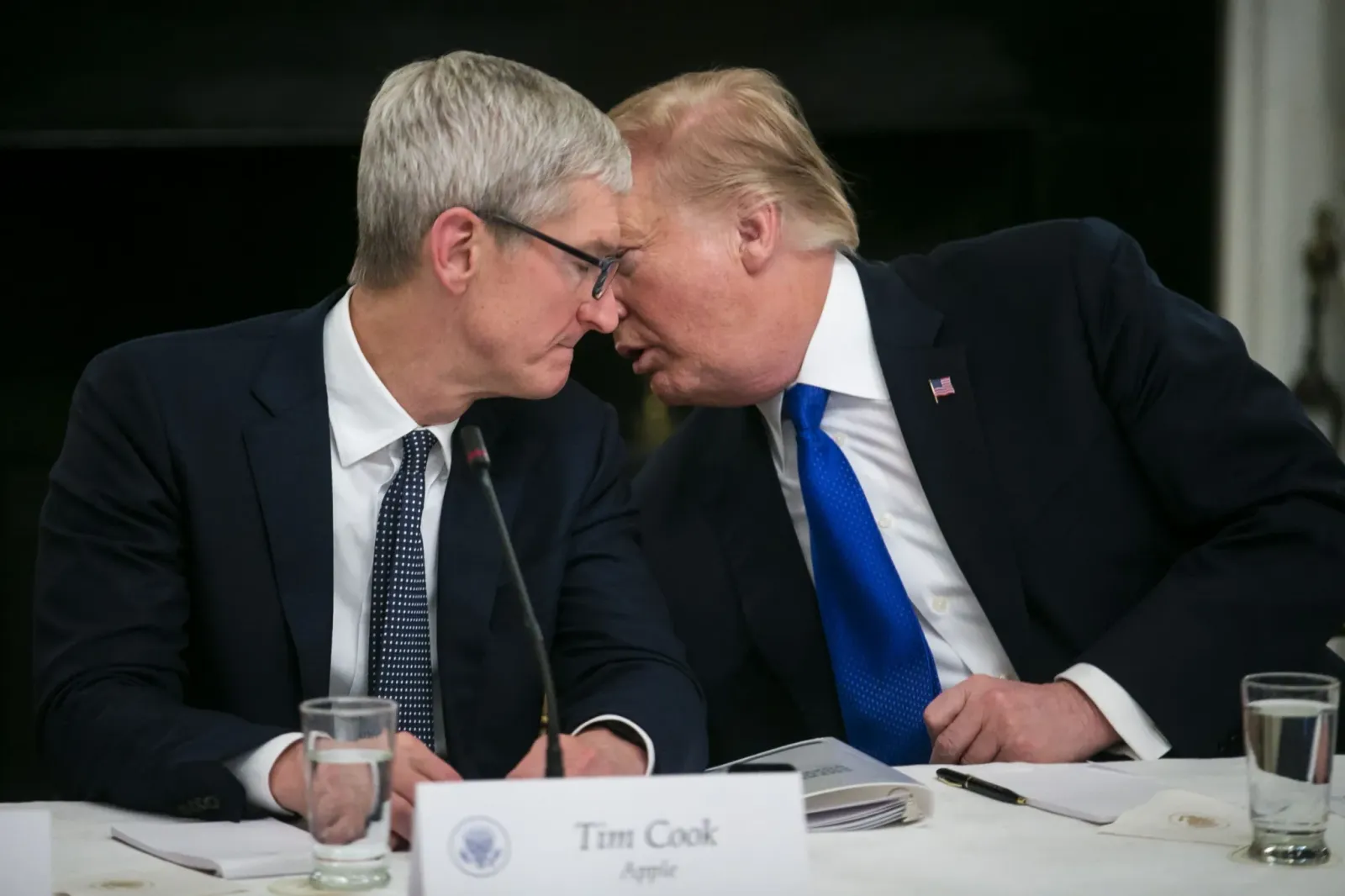
Tim Cook steps down as Apple CEO, stays on as chair with $45M equity
The 'Trump whisperer' keeps his White House and Beijing access as Apple navigates tariffs and a $4.6 trillion market cap.