
Studiocanal drops Les Misérables teaser: Fred Cavayé’s Vincent Lindon and Tahar Rahim headline
A new teaser from Studiocanal previews Fred Cavayé’s sweeping Victor Hugo adaptation, led by Vincent Lindon as Jean Valjean.
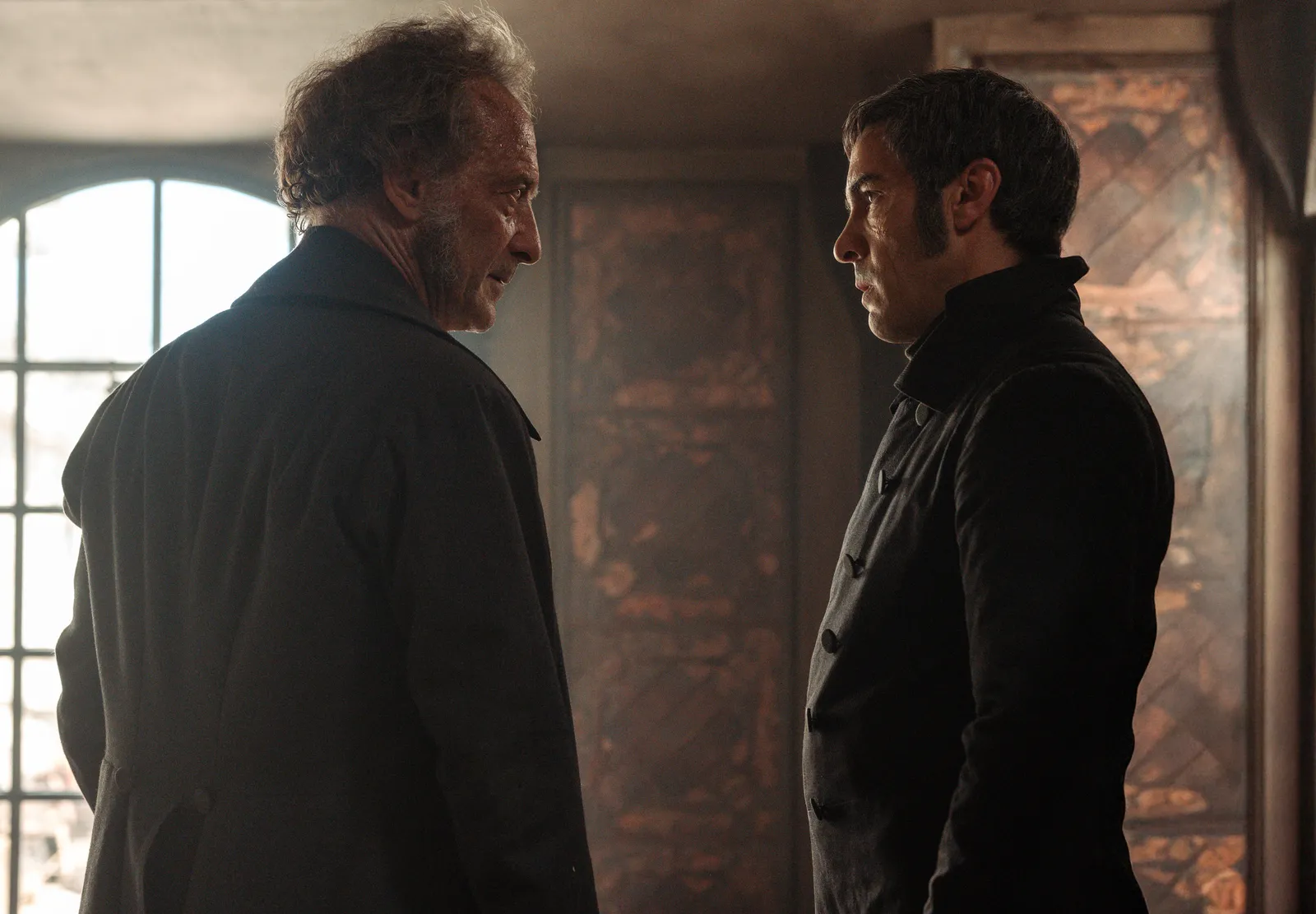
Studiocanal has unveiled the teaser for “Les Misérables,” Fred Cavayé’s anticipated adaptation of Victor Hugo’s 1862 novel. The release spotlights Vincent Lindon as Jean Valjean and Tahar Rahim, signaling a major push in European prestige filmmaking.
Studiocanal just unveiled the teaser for “Les Misérables,” and it quickly makes one thing clear: this is not going to be a cautious literary prestige play. The project is Fred Cavayé’s anticipated adaptation of Victor Hugo’s 1862 classic, and the teaser offers what the release describes as a “sweeping take” on one of France’s most enduring literary works. If you work in media, finance, or distribution, that framing matters. “Les Misérables” is a known property, but “sweeping take” is how producers telegraph scope, cost, and audience ambition.
The teaser also gives early glimpses of Vincent Lindon as Jean Valjean, the ex-convict who rebuilds his life as a benevolent industrialist. That character description is the beating heart of Hugo’s story, and putting Lindon in the role signals a deliberate performance choice. In other words, Studiocanal is not just banking on brand recognition from a famous novel; it is leaning on a major screen presence to anchor the adaptation’s emotional credibility and moral arc.
Why this is strategically interesting for decision-makers is that “Les Misérables” is one of those titles that can behave like a cash register or like a costly overhang, depending on execution. The source frames this as an adaptation of a novel published in 1862, which tells you the material has layers and cultural gravity. But the industry reality is that audiences do not show up for footnotes. They show up for a version that feels alive now. The teaser’s promise of a “sweeping take” is basically a bet that Cavayé’s approach will translate Hugo’s scale into something that feels modern and cinematic, not museum-bound.
This is also the kind of project that ripples outward through European production, sales, and distribution networks. Studiocanal unveiling a teaser is not just marketing. Teasers are early signals to partners and stakeholders about the tone they can expect, the casting profile, and the commercial positioning of the film. In practical terms, that affects how distributors think about release strategies, how exhibitors anticipate audience draw, and how investors evaluate risk, especially when the property is famous enough that expectations are naturally high.
Then there is the casting strategy implied by the teaser. Vincent Lindon as Jean Valjean is the headline image, and the source also notes Tahar Rahim in the starring lineup. Even without more detail in the excerpt, the inclusion of both names matters because it suggests the film is building a recognizable ensemble around Hugo’s central themes: redemption, injustice, and social fracture. For executives, that means the adaptation is aiming to attract not only literature-driven viewers but also mainstream cinema audiences who respond to star-led storytelling.
You can also view this as a signal about how European film companies manage cultural stewardship and commercial ambition at the same time. Hugo’s “Les Misérables” is not a niche text. It sits inside national identity and international pop culture, which creates a particular kind of pressure: people already know the story, so the “freshness” has to come from structure, perspective, and character interpretation. Cavayé’s “sweeping take” language tells you the filmmakers want to win on scale and momentum, not on being politely faithful.
For boards, producers, and finance teams, the second-order implication is about how they underwrite performance assumptions. Famous IP reduces some uncertainty, but it can increase another type: the fear that the adaptation will be compared to the audience’s mental versions. Teasers help calibrate those comparisons early. If the teaser communicates cinematic momentum and strong characterization, stakeholders can justify broader budgets, wider distribution, and stronger marketing spend. If it reads flat or overly reverent, the same budget becomes a liability.
So what should peers in similar roles take away? Studiocanal is launching “Les Misérables” with an unmistakable strategy: pair heavyweight literary heritage with high-profile casting and an explicitly sweeping tone. The teaser is the first public checkpoint, and it frames Vincent Lindon’s Jean Valjean through a specific moral transformation, while naming Tahar Rahim as a co-lead. In a market where attention is expensive and audience patience is not, that combination is the kind of early signal executives watch closely because it can shape partner confidence long before the full film is even released.
This story's Key Insights and Take-aways are locked.
Create a free account to unlock Executive Actions for one credit.
Register to UnlockAlways free for Executives Club members. Join the Club
More in Entertainment

Russell Brand's accuser 'bewildered and confused' as he denies 7 sex charges
The criminal case against the comedian is a live test of how media companies manage talent risk when serious allegations go public.

'It's a Magic Trick': Ballet Experts Say Rosalía's SNL Pose Is Impossible
Three ballet experts tell Rolling Stone Rosalía's gravity-defying SNL stillness shouldn't be possible - and why the debate is now part of the show.

Activision CMO: GTA 6 Will Boost Call of Duty, Not Bury It
Activision's top marketer says Rockstar's blockbuster will drive players back to consoles and into Modern Warfare 4, even as the company admits its recent strategy failed.