

Study links statin muscle pain to an immune response, unlocking muscle-sparing drug strategies
New research traces statin-related muscle symptoms to immunity, suggesting future treatments could protect muscles without blocking heart benefits.
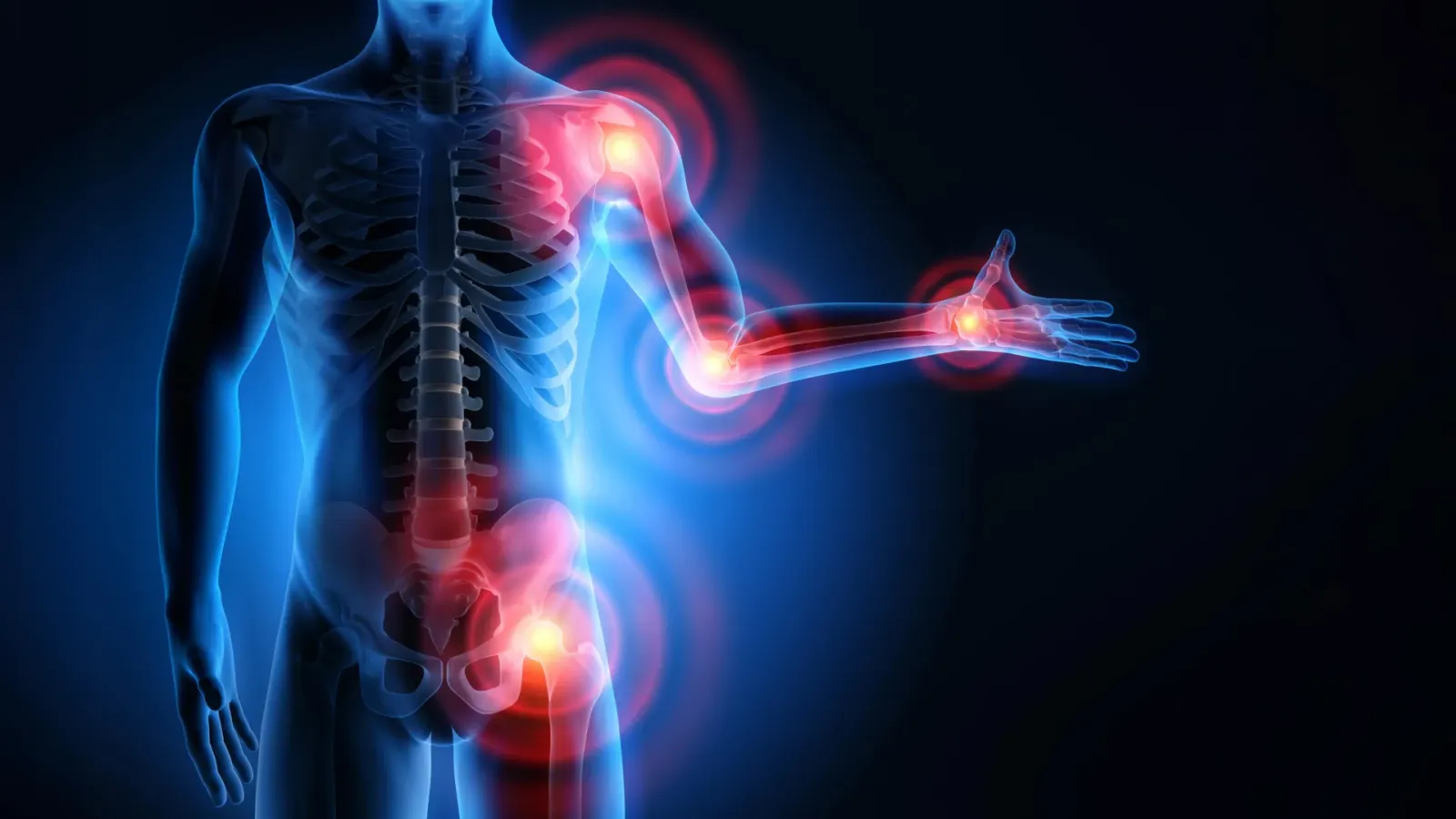
Scientists have identified an immune response that may explain why statins cause muscle pain, weakness, and exercise intolerance in some people. If translated into therapies, the discovery could help preserve statins' cardiovascular benefits while protecting muscles.
Statins are supposed to prevent heart attacks and strokes. Yet for some patients, they come with a very different side effect: muscle pain, weakness, and reduced ability to exercise. Now, scientists have identified an immune response that may explain why those symptoms happen in the first place, according to ScienceDaily. That matters because it shifts the story from “random side effect” to something more mechanistic and, potentially, more treatable.
In plain terms, the research points to an immune response as a possible driver of statin-related muscle problems. The immediate payoff for decision-makers is not just scientific curiosity. It is the prospect of designing or pairing therapies that shield muscles, while still allowing statins to do the job they are already used for at scale, lowering cardiovascular risk. The source is careful about future timelines, saying the finding could eventually lead to treatments that protect muscles while preserving the drugs’ lifesaving cardiovascular benefits.
That “eventually” word is doing heavy lifting. But the direction is clear: if muscle symptoms can be tied to an immune mechanism, then future interventions could be targeted, rather than simply “stop the statin and hope.” In clinical and commercial reality, intolerance is one of the biggest friction points in chronic cardiovascular care. When patients feel awful, adherence suffers. When adherence suffers, outcomes worsen. So anything that makes muscle symptoms more manageable, or more preventable, becomes strategically important even outside the lab.
There is also a broader incentive structure behind getting this right. Statins are deeply embedded in treatment pathways for cardiovascular disease, which means regulators, payers, clinicians, and manufacturers all operate with long-established expectations: keep benefits high, keep harms contained. A new mechanistic explanation is not a guarantee of a new drug, but it is the kind of evidence that can shape how future studies are designed. It also changes the “what should we measure?” question for trials. If the immune response is central, biomarkers or immunologic endpoints may become part of how researchers evaluate whether a muscle-sparing approach is actually working.
Even without additional details in the source, it is easy to see the second-order implications for the ecosystem around statin use. Boards and leadership teams at healthcare companies tend to plan around risk, reputation, and patient retention. Statin intolerance is not a niche concern. It affects enough people that the symptoms are well-recognized in practice, and it can become a clinical barrier. A credible immune-based explanation can reduce uncertainty for researchers and for partners searching for new therapeutic strategies that align with the core value proposition of statins: cardiovascular protection.
There is also an angle for policymakers and guideline-setting stakeholders. When adverse effects are poorly understood, guidance can be forced into blunt instruments like switching drugs or adjusting dosing. A clearer mechanistic picture supports more nuanced pathways, potentially enabling interventions that allow patients to stay on life-protecting therapies. The source frames the discovery as a stepping stone, but it still matters because mechanistic clarity is the currency of translation from bench to bedside.
For executives watching the intersection of immunology and cardiometabolic care, this is the kind of paper that can redraw internal roadmaps. It suggests a future where “muscle pain from statins” is not just an unfortunate label, but a signal pointing to something addressable. And if treatments can protect muscle tissue while preserving cardiovascular benefits, that would resolve a central tension in chronic therapy: tolerate fewer side effects without compromising the reason you take the medication in the first place.
In short, ScienceDaily reports scientists have identified an immune response that may explain why some people experience muscle pain, weakness, and exercise intolerance on statins. The finding could eventually lead to treatments that protect muscles while preserving the drugs’ lifesaving cardiovascular benefits. For decision-makers, the strategic stake is straightforward: better mechanistic understanding can open the door to more patient-friendly regimens, improved adherence, and fewer compromises between “heart protection” and “quality of life.”
This story's Key Insights and Take-aways are locked.
Create a free account to unlock Executive Actions for one credit.
Register to UnlockAlways free for Executives Club members. Join the Club
More in Science

Alaska's 1,580-foot tsunami had warning signs. Scientists just found them.
Rapid glacier retreat, heavy rainfall, and thousands of tiny tremors preceded Alaska's 1,580-foot tsunami, a warning for every coastal community in a warming world.
The rare mutation that lets high-risk brains dodge Alzheimer's
Scientists found a natural defense against protein buildup, opening a new path to preventive treatments.

3,000 steps a day may halve Alzheimer's decline, study finds
New research links a modest daily walk to less tau buildup and nearly half the cognitive and functional decline, even for those with early signs.