

Suki Waterhouse starts the Loveland tour with a kabuki-style theater plan, not just songs
The singer says motherhood rewired her sound, and opening for Taylor Swift taught her how to run a show.
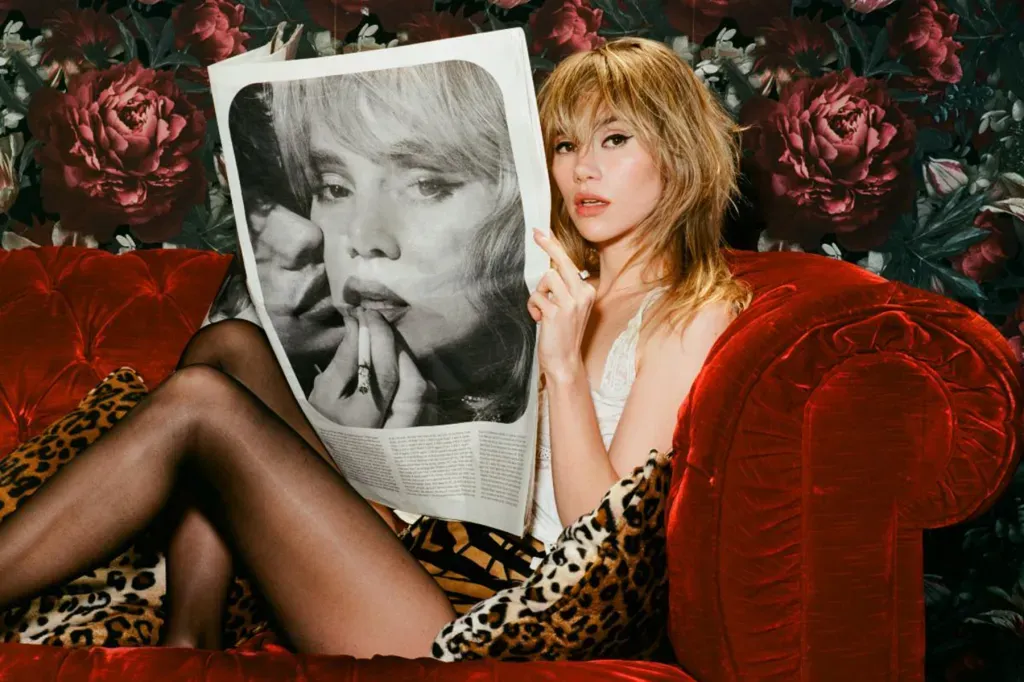
Suki Waterhouse tells Billboard Pop Shop Podcast that her new album Loveland reflects a “huge shift” into motherhood, and that her touring era will feel like theater. For decision-makers, her approach is a case study in why fan experience, backstage operations, and setlist balance can matter as much as releases.
Suki Waterhouse is bringing “kabuki” energy to the Loveland Tour, and she’s explicit about why: it’s “more of like a kind of theater show,” and it’s happening in venues she says she has “never been in before.” The run starts July 22, with Waterhouse calling out new milestone rooms like playing Radio City for the first time and describing it as “that’s crazy, big bucket-list moments, and a whole new record to play.”
This matters because Waterhouse also frames her creative process as a moving target, driven by real life. She says her last album, Memoir of a Sparklemuffin, was finished “like the week before” she had her daughter in March 2024 with partner Robert Pattinson, and that for Loveland she started “a couple of weeks after she was born.” She stresses she doesn’t treat album-making like a checkbox. “I never go, ‘OK, now I'm starting the new record!' I think that would seem too frightening in a way.” Translation: the album and the tour are not separate products, they are the same storyline, with motherhood shaping how she writes, performs, and plans.
If you’re wondering what that storyline looks like in pop terms, she lays it out as a tension she’s learned to hold. On Loveland, she says she can “very much hold two truths at a time”: “I feel wiser than ever and also sillier than ever.” She connects that to the insecurity spiral of becoming a mother and partner, and to what she calls an internal shift where worries “have maybe lessened.” In exec language, it’s a brand repositioning that doesn’t feel forced because she describes it as self-discovery under pressure, not marketing under a deadline.
Musically, she also signals that the album is built for both emotion and propulsion. She says the lead single “Back in Love” was “the last song that I wrote [for the album]” and that it “felt like healing,” but also made her excited to tour. She’s candid about dread around going on the road, then contrasts it with that specific track: “Sometimes I feel this kind of dread about going out on the road, and that song made me really excited to go back out on the road.” She adds she’s never played Saturday Night Live before, yet the song made her “seeing myself play Saturday Night Live,” even noting she “haven't got the offer” but understood the vibe. That is a clear incentive structure for a team: the right song can change touring psychology, not just chart placement.
Her second single “Tiny Raisin” gets described through Britpop DNA and personal outlet. Waterhouse says seeing Oasis last year was “definitely quite a big thing,” and ties it to her lived Eras Tour proximity. She opened for Taylor on the Eras Tour the year before that, says she got the experience “of being at Wembley,” went back the year later, watched her “favorite band in the world” she grew up with, and then connects it to “running through my veins.” She also names David Bowie for the “spacey, psych-rock feel.” She then references the British term “marding,” saying she was “marding a bit on this record and kind of getting my grievances out, but in a kind of cheeky way that feels true to me as a person.”
Maybe the sharpest creative signal, at least for anyone building artists or campaigns, is how she talks about writing and release anxiety. For “Weirdo,” she calls it “maybe the most personal,” saying she’s speaking “very bluntly into a microphone” about things she feels “a bit embarrassed about.” She describes the pre-release split brain: she says she “don't care at all when I'm writing,” and then when she’s about to put something out, a second voice shows up wanting approval: “I want to be liked! I want to be loved!” Then she says there’s the “cool version” that basically shuts down the fear: “I don't give a f-, I'm gonna say it!” That internal governance is important for anyone managing press, rollout timing, and performance rehearsal, because it explains why certain songs land with blunt intimacy. It also hints at why a theater-style show might work, giving space for emotion to be staged rather than just sung.
Then there’s the operational lesson she claims she learned opening for Taylor Swift’s Eras Tour. Waterhouse says: “I learned, for example, from Taylor how special she makes people feel.” She remembers walking in and seeing “a handwritten note,” and describes the backstage culture as one where “every single person that's working on it” is happy. Her takeaway is very operational: “really making sure that everyone's taken care of” and that people know they are “appreciated,” because she believes “the energy backstage and the way that everyone's treated is so important.” She sums it up as “running like top down, having really like great vibes, and making sure that everyone's happy.” In the pop industry, that kind of discipline can quietly determine the success of everything that happens after the release, from rehearsal intensity to how a tour team responds when something inevitably goes wrong.
Finally, she flags the biggest touring scheduling tradeoff: the setlist balance between new material and fan expectations. She says she “hates it when I go to anyone's show and they're only playing all the new songs,” calling Loveland Tour “very much a balance.” That matters because her own story contains multiple identities at once, “wiser” and “sillier,” and the show design has to keep space for both. Start a tour July 22 with a kabuki-style theater framework, play new tracks, still honor the listeners who came for the familiar, and run a backstage culture where the crew feels cared for. That is the blueprint she describes, and for peers in her lane, it’s a reminder that modern pop success is not just a release calendar. It’s the end-to-end system: writing psychology, production aesthetic, setlist strategy, and human operations.
This story's Key Insights and Take-aways are locked.
Create a free account to unlock Executive Actions for one credit.
Register to UnlockAlways free for Executives Club members. Join the Club
More in Entertainment
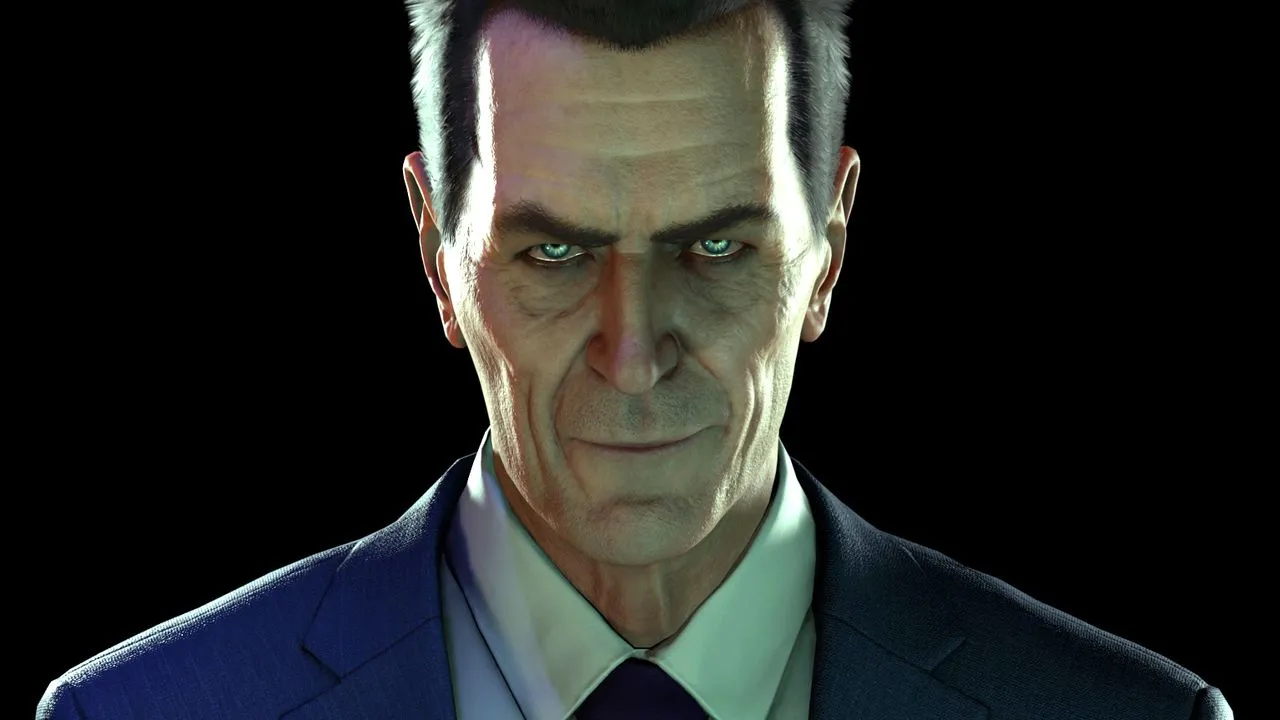
12TB Steam 'teraleak' goes beyond Valve: GTA 3, Mafia 2 prototypes exposed
A 12-terabyte dump of Steam data reveals prototypes and builds of third-party classics like GTA 3 and Mafia 2, plus unreleased Valve content, rewriting game history.

LinkedIn's romance problem: 1 in 4 workers say dating on it is fair game
A new survey shows a quarter of U.S. employees treat the professional network as fair game for romance, even as LinkedIn bans it and removes hundreds of thousands of offending posts.
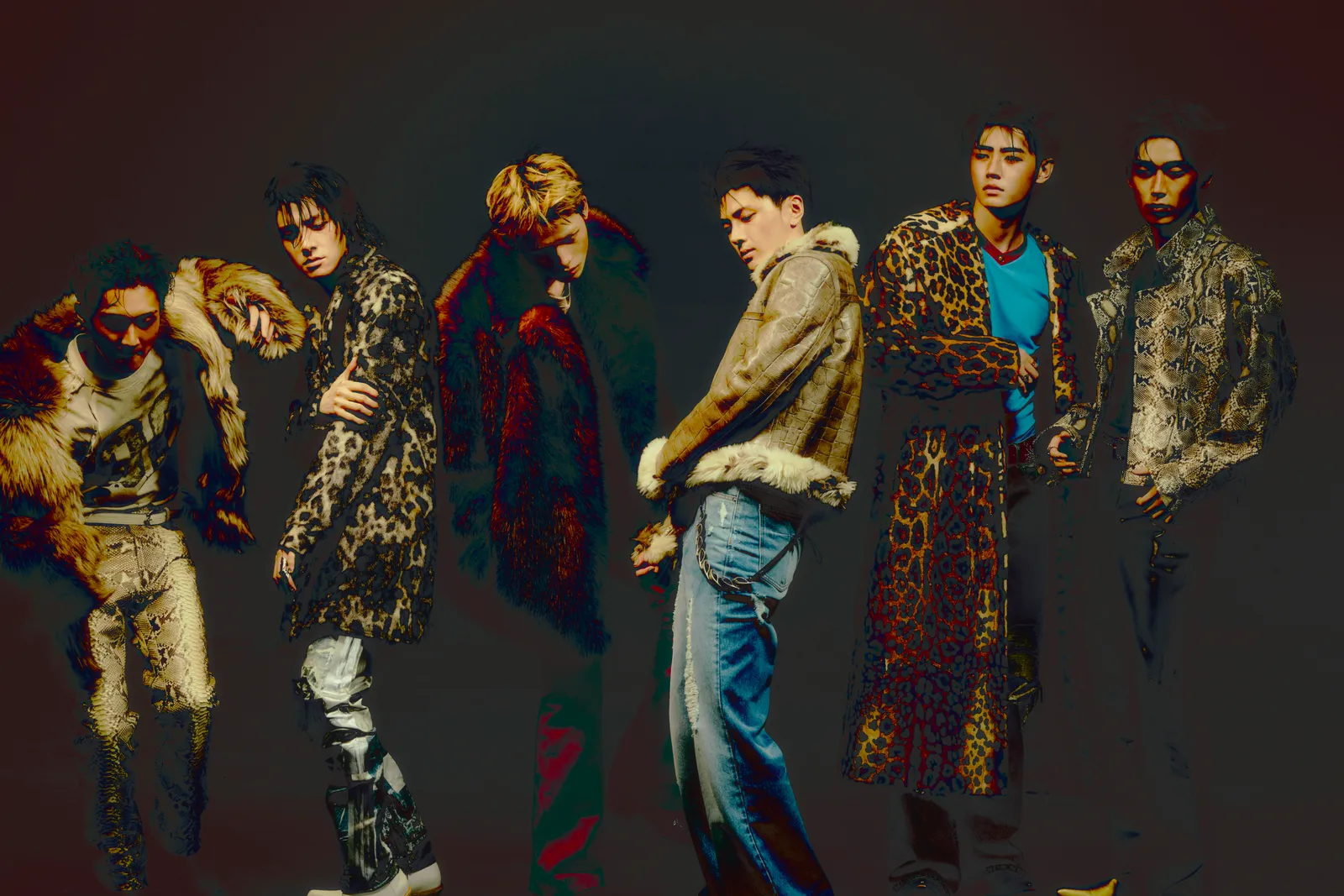
Enhypen's first No. 1 album breaks K-pop's Billboard 200 streak
The K-pop group's 98,000-unit debut tops the chart while Dolly Parton's catalog reentry shows how death reshapes streaming.