
Summer Walker moves to void label contract over 'fraudulently' hidden YouTube, Amazon cash
The 'No Love' singer is asking an Atlanta judge to tear up her Love Renaissance deal, escalating a contract war over streaming revenue transparency.
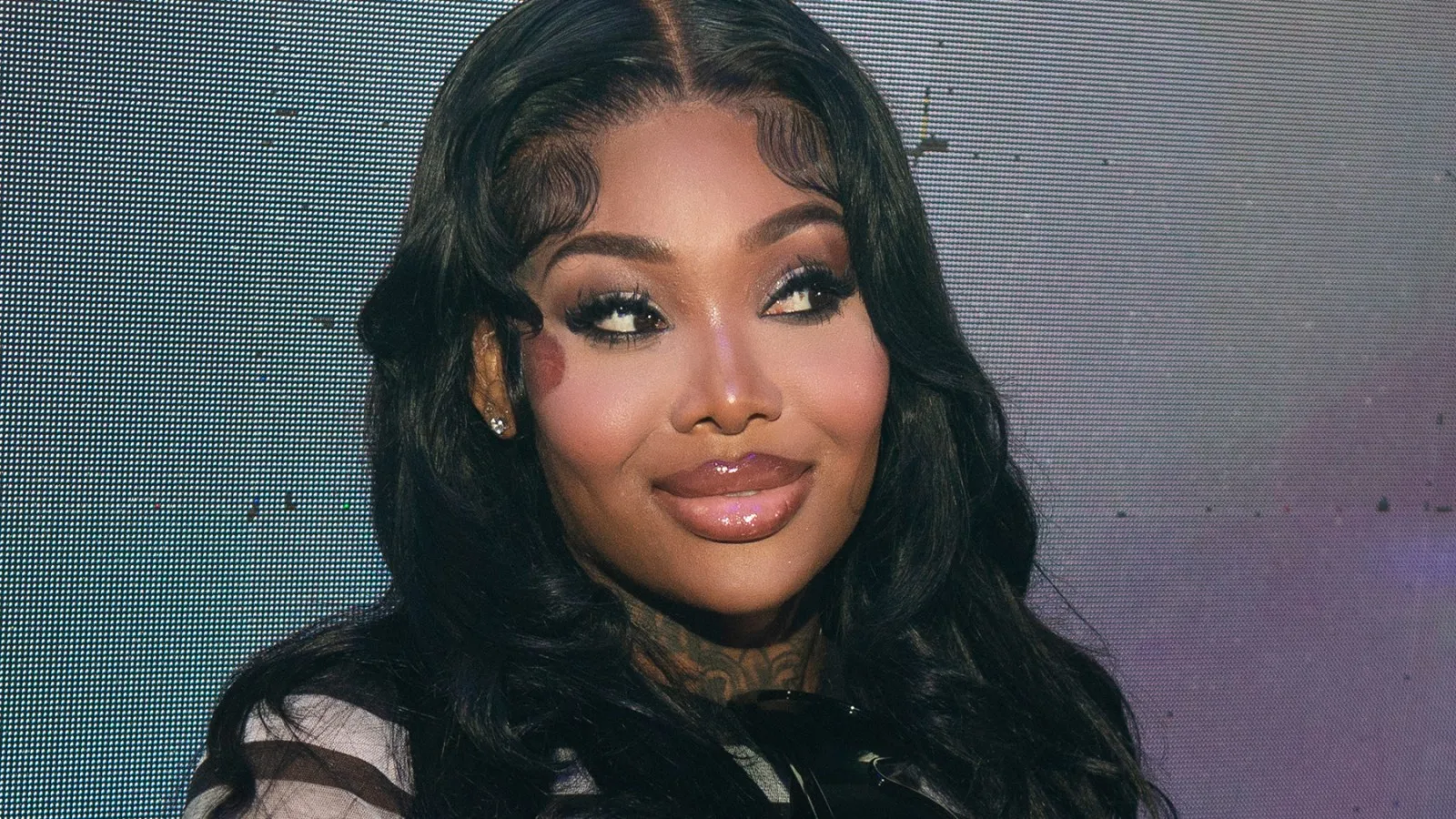
Summer Walker, the 'No Love' singer, is asking an Atlanta judge to void her contract with Love Renaissance, claiming the label fraudulently concealed YouTube and Amazon revenue. The move escalates a contract war that puts streaming royalty transparency at the center of artist-label negotiations.
Summer Walker, the "No Love" singer, is asking a judge in Atlanta to void her contract with Love Renaissance, claiming the label "fraudulently" hid cash from YouTube and Amazon. The filing escalates a contract war that has been building between the R&B star and the Atlanta label that helped break her career, and it puts streaming revenue transparency directly in the crosshairs of the music business.
The accusation goes beyond a routine royalty dispute. Walker is alleging that revenue from two of the biggest digital platforms in music was concealed, which, if proven, would strike at the heart of how labels account for streaming income. It is a high-stakes move: voiding a contract is a far heavier ask than simply demanding an audit or back payments, and it signals that her team believes the label's conduct was not a mistake but a pattern.
Walker is one of Love Renaissance's most commercially significant artists. Her debut album "Over It" was a breakout moment for the label, and her follow-up work has kept her in the upper tier of contemporary R&B. Love Renaissance has built its reputation as an artist-friendly home for hip-hop and R&B, with a distribution partnership that has helped its roster reach global audiences. A contract fight with one of its flagship acts is therefore not just a legal headache, it is a test of the label's brand. Walker's catalog has been a reliable earner for the label, which makes the fraud claim all the more pointed: the more successful the artist, the more revenue there is to account for, and the more damaging a transparency failure becomes.
The dispute lands in a moment when artists across the industry are scrutinizing how digital revenue is reported. Streaming platforms, including YouTube and Amazon Music, generate substantial income, but the mechanics of how that money flows to labels and then to artists have long been a source of tension. Historically, royalty statements have been dense, delayed, and difficult to verify, which has fueled a wave of artists pushing for greater transparency. YouTube, in particular, has been a flashpoint because its ad-supported revenue is calculated differently from subscription streams, making it easier for discrepancies to hide. For labels, the challenge is that each platform has its own reporting format, and reconciling those formats against contract definitions of "royalty-bearing revenue" is a notoriously complex exercise. That complexity is exactly why transparency disputes keep surfacing.
Walker is not alone in taking a hard line. The past several years have seen a wave of high-profile disputes between artists and the labels that signed them, from ownership battles to royalty fights. Streaming has only intensified the pressure, because the revenue is real and recurring, but the accounting is often opaque. For a generation of artists who grew up watching predecessors get shortchanged, the message is clear: the old ways of doing business are no longer being accepted quietly.
In court, the bar for voiding a contract is high. A judge would need to find that the label's conduct rose to the level of fraud or a material breach substantial enough to unwind the agreement. Walker's use of the word "fraudulently" signals that her legal team intends to argue the concealment was deliberate, not an accounting error, which raises the stakes for how the label responds. If the label can show the omissions were minor or inadvertent, the case could collapse into a routine accounting dispute. If not, it could set a precedent.
If Walker succeeds, the ripple effects could be significant. Other artists with similar grievances may be emboldened to challenge their own deals, and labels may face pressure to overhaul how they report streaming revenue. For executives across the music business, the case is a reminder that opaque accounting is not just a reputational risk, it is a legal one. The cost of defending a fraud claim, in legal fees and in damaged artist relationships, can far exceed whatever revenue was allegedly concealed. For music companies backed by investors, the case is also a governance signal: royalty reporting is now a due diligence issue, not just an artist relations issue.
For artists, the case is a signal that the leverage balance may be shifting. For label executives, it is a warning that the fine print of royalty clauses is now under a microscope. The Atlanta courtroom is an unlikely epicenter for a fight that could reshape how the industry handles digital money, and the outcome will be watched closely by managers, lawyers, and business affairs teams across the sector. The question Walker has put before the court is simple: if a label hides revenue, does it get to keep the contract? The answer will matter to every artist and label watching from the sidelines.
This story's Key Insights and Take-aways are locked.
Create a free account to unlock Executive Actions for one credit.
Register to UnlockAlways free for Executives Club members. Join the Club
More in Entertainment
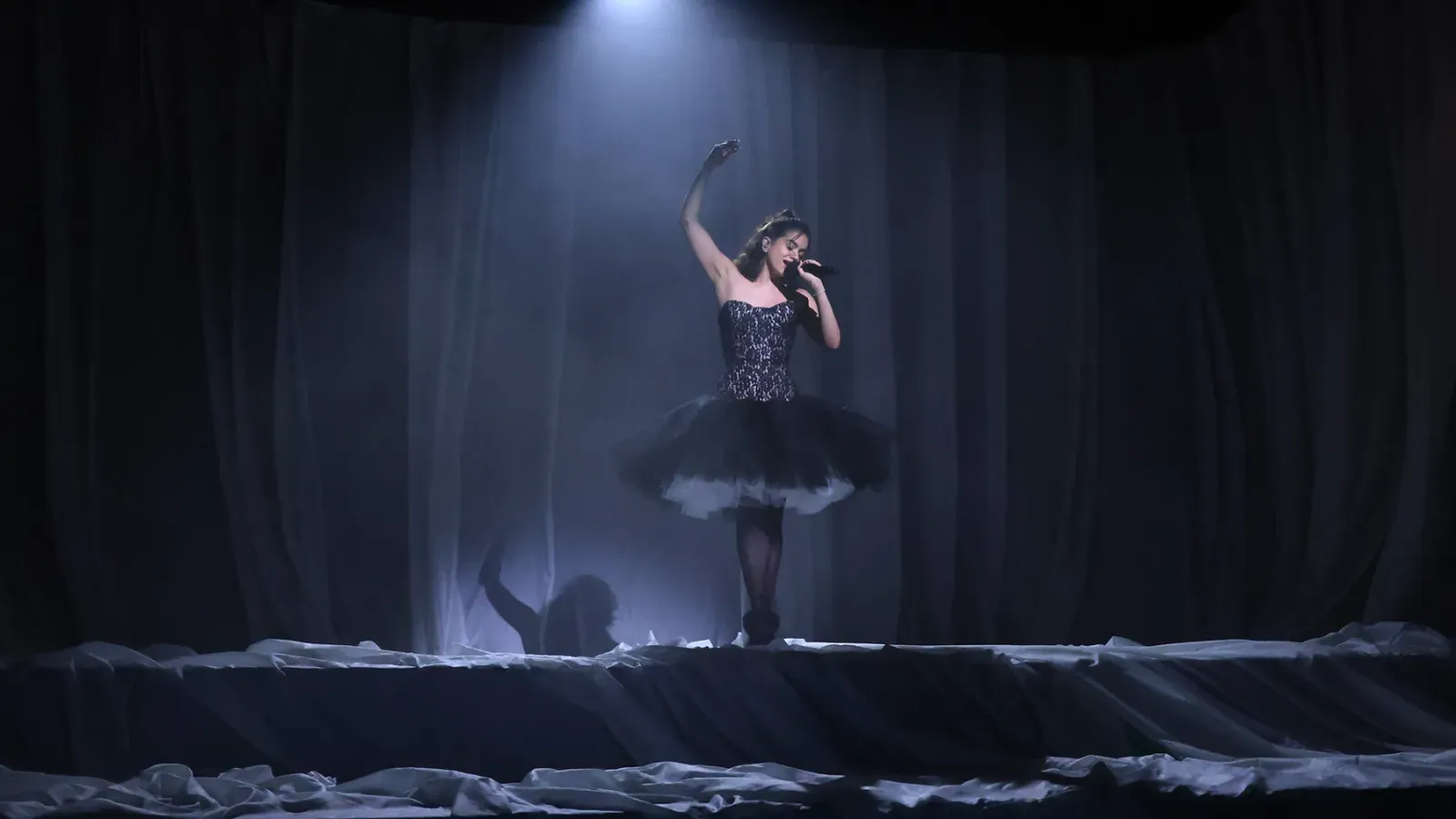
'It's a Magic Trick': Ballet Experts Say Rosalía's SNL Pose Is Impossible
Three ballet experts tell Rolling Stone Rosalía's gravity-defying SNL stillness shouldn't be possible - and why the debate is now part of the show.

Activision CMO: GTA 6 Will Boost Call of Duty, Not Bury It
Activision's top marketer says Rockstar's blockbuster will drive players back to consoles and into Modern Warfare 4, even as the company admits its recent strategy failed.
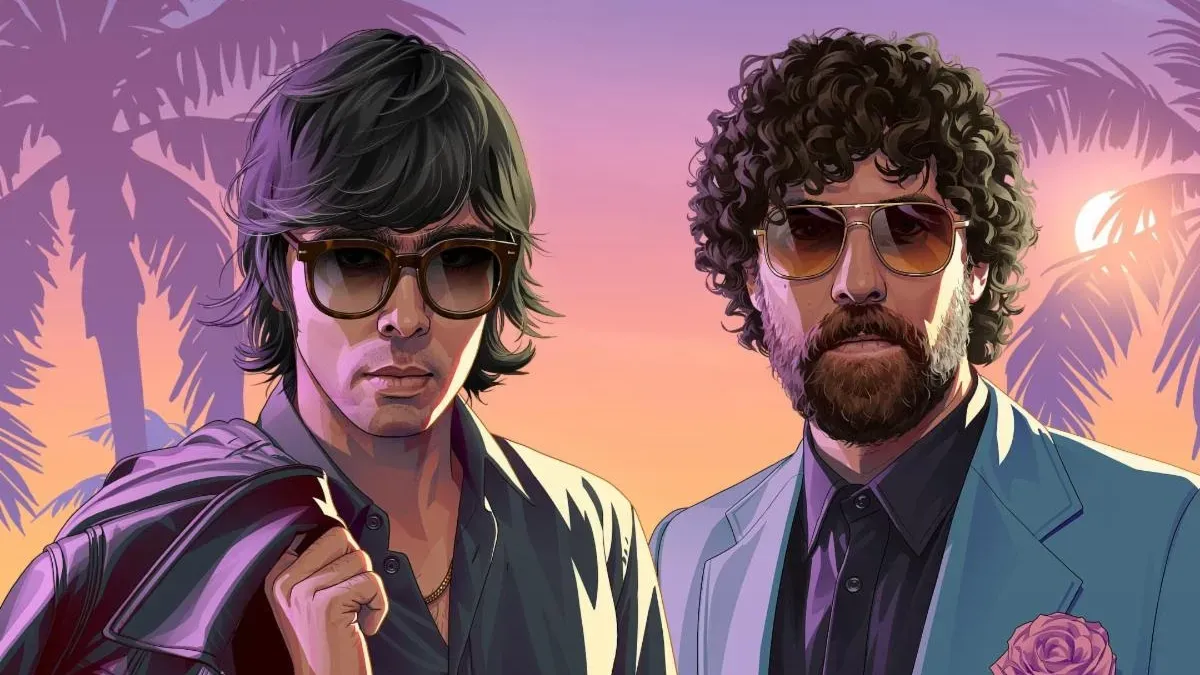
Justice to Score GTA 6, Share New Song with Tame Impala, SZA, King Gizzard
Rockstar taps the French duo for the GTA VI score, and the first taste is a genre-melting collab with Tame Impala, SZA, and King Gizzard & The Lizard Wizard.