

Suno's Licensing Deals Could Backfire in Its $5.4B Fair-Use Battle
As Suno inks deals with Warner and BMG, UMG and Sony argue those licenses prove a market exists-potentially sinking its fair-use defense.

Suno, the $5.4B AI music startup, is simultaneously licensing with Warner and BMG while fighting UMG and Sony over fair use. Its own deals could be used as evidence of a licensing market, undermining its core legal defense.
Suno's recent licensing deals with Warner Music Group and BMG-signed to legitimize its AI training data-are now being wielded as weapons against the company in its high-stakes fair-use litigation with Universal Music Group and Sony Music. The $5.4 billion startup, which has raised $400 million ahead of a new AI model, is arguing in court that it doesn't need to pay for copyrighted sound recordings because its use is transformative. But UMG and Sony's lawyers have seized on those very licenses as proof that a market for such training data exists-a claim that could gut Suno's defense and set a precedent for the entire generative AI industry.
The fair-use doctrine allows limited reuse of copyrighted material without permission, and courts weigh four factors, including whether the new use harms the market for the original. Suno's position is that its AI-generated music doesn't replace the originals, so no market harm occurs. But in an April filing, UMG and Sony's attorneys wrote that Suno's agreement with Warner “bears directly” on that question, arguing it is “direct evidence that a market for such licenses exists.” Suno counters that the Warner settlement was “shaped by litigation risk, not by the competitive forces that define a functioning market,” and that “lost licensing opportunities for a transformative use are not a legally cognizable harm.” The company's lawyers also point to a 2024 ruling in a separate AI case against Meta, where a judge rejected a similar market-harm argument as “circular” because it would let copyright owners create licensing markets simply by suing those who refuse to pay.
That Meta ruling is a lifeline for Suno, and digital rights advocates agree. Tori Noble, a staff attorney at the Electronic Frontier Foundation, says the Meta decision and Suno's reliance on it are “probably the most correct outcome on the law.” She warns that allowing rightsholders to manufacture a market would be “almost like letting someone put up gates around a public park and charge for access.” A source familiar with Suno's case echoes that sentiment, arguing that “copyright is about the advancement of arts and sciences, and factoring settlements into whether there's a market for something is inherently anti-innovation.” The source adds that “copyright owners are essentially well-organized monopolists, and innovators are often bootstrapped or venture-backed small companies,” so settlements reflect power dynamics, not genuine market demand.
Yet the legal landscape is far from settled. David Martinez, a partner at Robins Kaplan who specializes in intellectual property litigation, notes that Suno's own deals could still be used against it. “I suspect the lawyers who negotiated these agreements were mindful of this issue and structured the agreements with an eye toward how they might affect the market and fair use analysis in the litigation,” he says. The fact that Suno signed with Warner and BMG-while refusing to pay UMG and Sony-creates an awkward asymmetry. UMG has even suggested it will only settle if Suno agrees to the same “walled garden” concept that underpins its license with Udio, another AI music service. Suno insists AI music must be allowed to leave the platform for innovation to thrive, and Sony has not signed onto the Udio deal at all.
For now, the clock is ticking. Motions on the fair use question aren't due until April 2027, giving both sides nearly two years to negotiate or litigate. Martinez points out that 98% of lawsuits end in settlements, and he wouldn't be surprised if Suno eventually cuts a deal with UMG and Sony to avoid a jury verdict. “Especially for cases with big exposure like this, companies try to mitigate risk and reach a resolution rather than leave it up to a jury,” he says. Attorney Leichtman agrees, predicting that “Suno would prefer to do licensing deals rather than take the risk in court.” But any settlement would likely require Suno to pay substantial royalties, potentially eroding its $5.4 billion valuation and its competitive edge against rivals like Udio and Anthropic.
The broader stakes extend far beyond Suno. If UMG and Sony succeed in using Suno's own licenses as evidence of market harm, every AI company that trains on copyrighted data-from text generators to image models-could face similar claims. The outcome will shape whether the AI industry must pay for training data or can continue to argue fair use. For executives at AI startups and music labels alike, the message is clear: every licensing deal is a double-edged sword, and the legal strategy must account for how those deals will be interpreted in court. As Suno's case unfolds, it will set a precedent that could either unlock a new licensing economy or slam the door on transformative AI innovation.
This story's Key Insights and Take-aways are locked.
Create a free account to unlock Executive Actions for one credit.
Register to UnlockAlways free for Executives Club members. Join the Club
More in Business
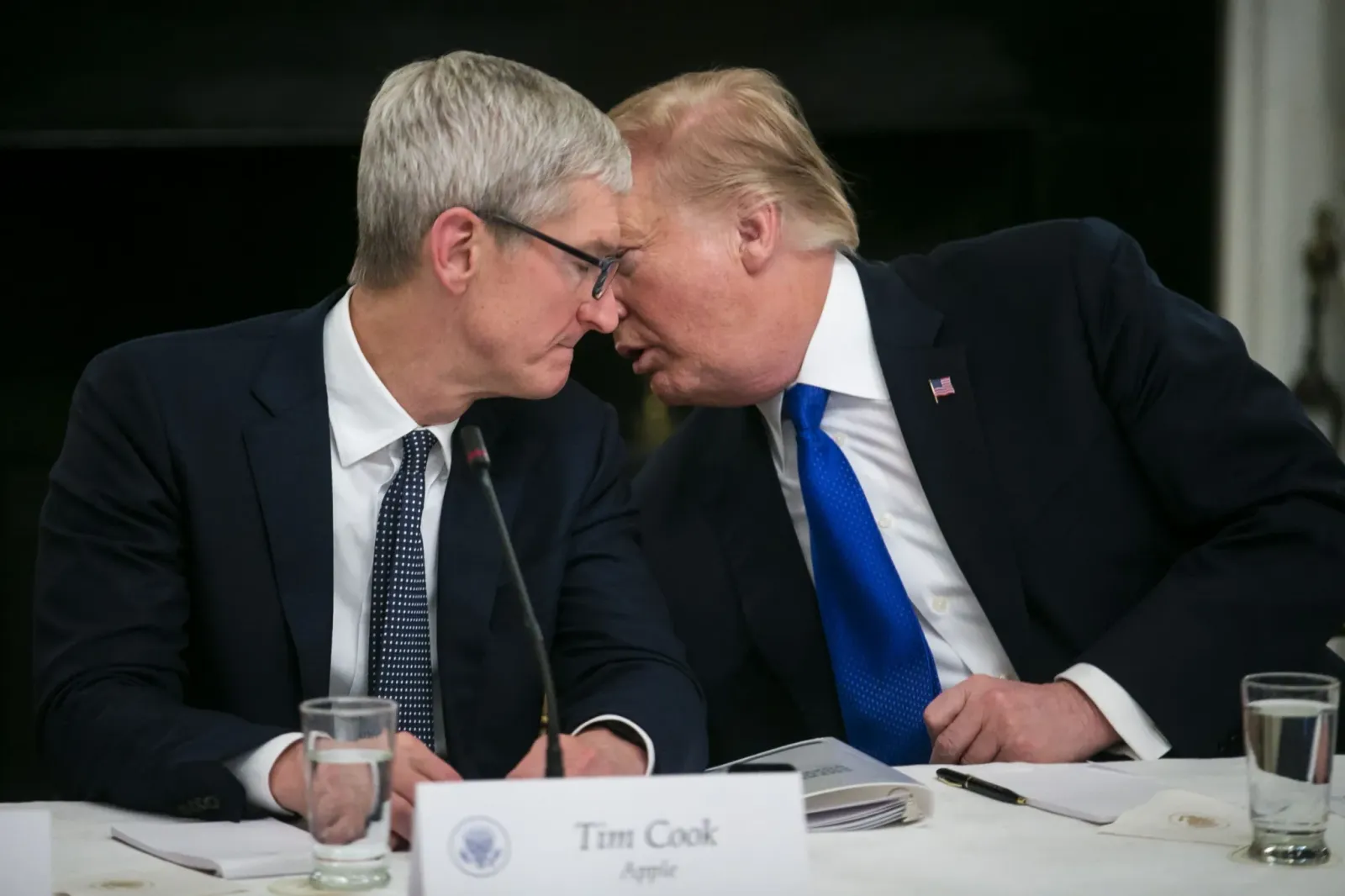
Tim Cook steps down as Apple CEO, stays on as chair with $45M equity
The 'Trump whisperer' keeps his White House and Beijing access as Apple navigates tariffs and a $4.6 trillion market cap.

Snowflake shares surge as AI data demand crushes estimates, lifting full-year forecast
Stocks jumped on stronger-than-expected guidance, signaling enterprise AI workloads are accelerating faster than Wall Street priced in.
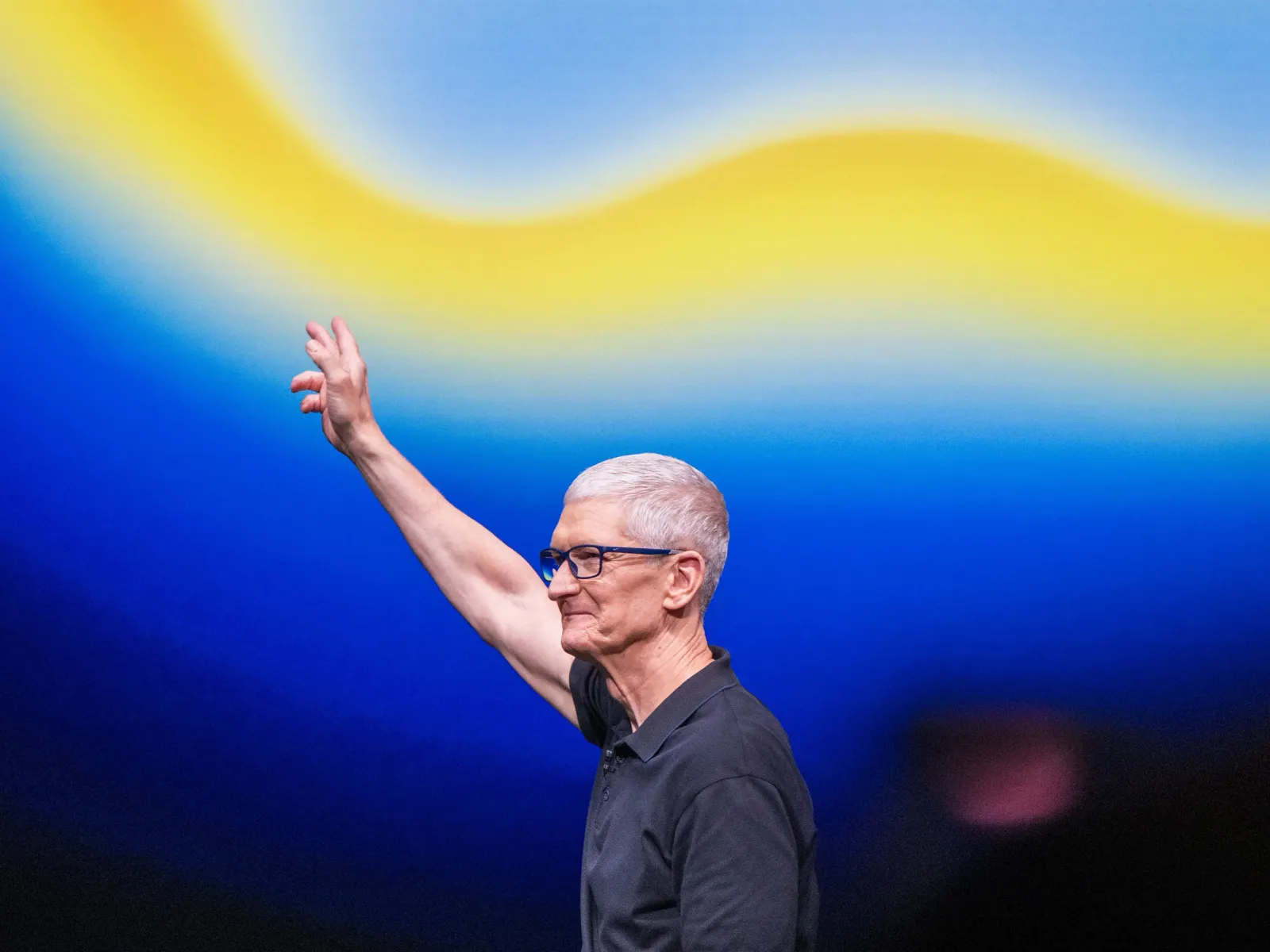
Tim Cook's 15-year Apple CEO run ends: 3 lessons for any successor
After 15 years, Tim Cook hands Apple to John Ternus - here's how he turned a $350B company into a $4.6T juggernaut.