
Super Mario Galaxy Movie lands on Peacock July 30 after 120-day theatrical run
Universal and Nintendo hit a tight theater-to-streaming timeline as the 2026 box office hit reaches $1 billion globally.
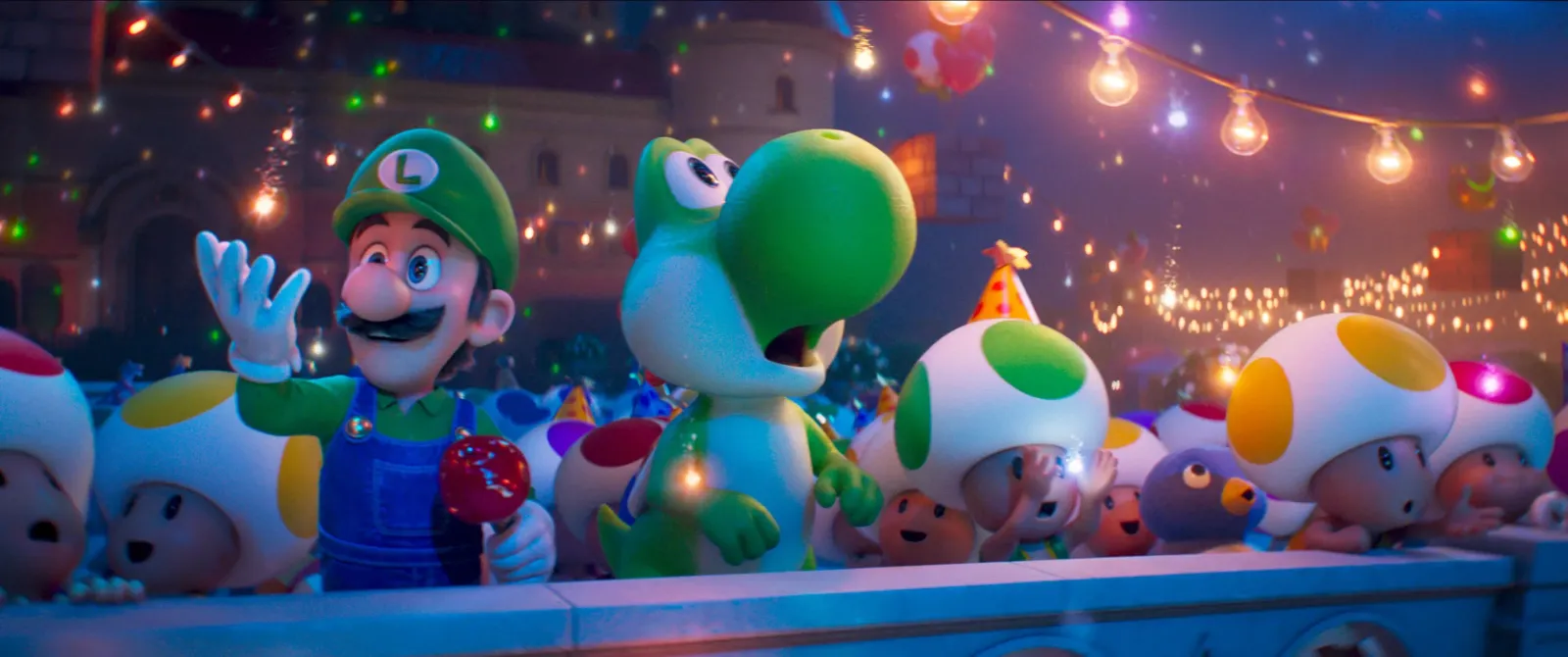
Illumination, Nintendo, and Universal's Super Mario Galaxy Movie premieres on Peacock on July 30, using a 120-day window from theaters to streaming. For decision-makers, the rollout signals how major studios are timing monetization when a franchise has already proven it can do $1 billion.
Illumination, Nintendo, and Universal’s Super Mario Galaxy Movie will officially premiere on Peacock on July 30, after a 120-day theatrical window. That date matters because it is not a vague “sometime this summer” release. It is a specific schedule point that studios can model against streaming adoption, subscriber churn, and ad or tier demand, then repeat across future slates.
The other headline-grabbing fact: this is the only movie in 2026 so far to hit $1 billion at the global box office, and it is the second installment of The Super Mario franchise. When a title clears $1 billion, it changes how everyone downstream thinks about rights, marketing spend, and the risk of cannibalization between screens. You can feel that logic in the window choice. A 120-day run to streaming suggests they believe the theater window has effectively “harvested” audiences, and now it is time to convert remaining demand to streaming where incremental revenue can be captured at scale.
For executives and boards, the story is not just platform switching. It is timing strategy. Theaters and streaming do not compete in a clean, simple way. They pull different audiences at different moments, and the overlap varies by franchise strength, geographic performance, and how quickly marketing momentum fades. With a proven global blockbuster, the remaining question is how much of the post-theatrical tail can be monetized through streaming rather than through additional media legs. A 120-day window is effectively a compromise between two forces: maximize box office while it is still accelerating, then limit the time before streaming access can capture viewers who missed the theatrical run.
There is also a partnership dynamics angle. This movie is a joint creative and distribution effort involving Illumination, Nintendo, and Universal. A release like this is a coordination exercise across a studio, an IP owner, and a distributor with platform distribution relationships. Hitting Peacock on July 30, rather than drifting later or launching early, is a governance signal. It says the parties have aligned on a shared expectation of value. In other words, it is not a “whoever gets to the platform first wins” race. It is a planned extraction and distribution sequence.
Now zoom out to what 2026 looks like as a market year. The source notes that Super Mario Galaxy Movie is currently the only film in 2026 to reach $1 billion globally. That kind of rarity matters for allocation decisions. When most titles do not scale to that level, a blockbuster becomes an anchor that affects not only its own revenue line, but also how platforms and studios pace their programming commitments. Peacock, and the ecosystem around it, gets a tentpole with built-in brand gravity. Studios get a stream of engagement that can support subscriber acquisition and retention, especially when consumers recognize a franchise as “safe” entertainment.
There is also a consumer-facing implication that board members should care about: predictability. When audiences know a title is coming to a specific platform on a specific date, it reduces uncertainty, which can improve streaming conversion. The 120-day theater-to-streaming window creates a calendar expectation viewers can plan around. That expectation is part of why major brands like Nintendo properties have consistently performed. The audience knows they are not gambling on an unknown.
For peers in leadership roles across studios, streamers, and networks, the question becomes: does this window reflect a new standard, or just the best-case scenario of an exceptional film? The facts we have are concrete. The film will reach Peacock on July 30, and the move comes after a 120-day theatrical window. The strategic stakes are clear either way. If a $1 billion global blockbuster can follow this playbook, it provides a template for future franchise releases: hold the theatrical line long enough to maximize box office, then use a fast, disciplined streaming premiere to extend the monetization curve.
In short, Super Mario Galaxy Movie’s journey from theaters to Peacock on July 30 is being treated like a financial and operational milestone, not a routine window update. With a 120-day run-to-stream and a $1 billion global box office performance, it is a case study in how premium IP and disciplined scheduling can turn a hit into a multi-platform asset.
This story's Key Insights and Take-aways are locked.
Create a free account to unlock Executive Actions for one credit.
Register to UnlockAlways free for Executives Club members. Join the Club
More in Entertainment

Russell Brand's accuser 'bewildered and confused' as he denies 7 sex charges
The criminal case against the comedian is a live test of how media companies manage talent risk when serious allegations go public.

'It's a Magic Trick': Ballet Experts Say Rosalía's SNL Pose Is Impossible
Three ballet experts tell Rolling Stone Rosalía's gravity-defying SNL stillness shouldn't be possible - and why the debate is now part of the show.

Activision CMO: GTA 6 Will Boost Call of Duty, Not Bury It
Activision's top marketer says Rockstar's blockbuster will drive players back to consoles and into Modern Warfare 4, even as the company admits its recent strategy failed.