
Super-predator myth collapses: animals react far less to tourists than hunters
A 30-year research synthesis shows “humans” do not equal “danger,” and the consequences hit policy and management.
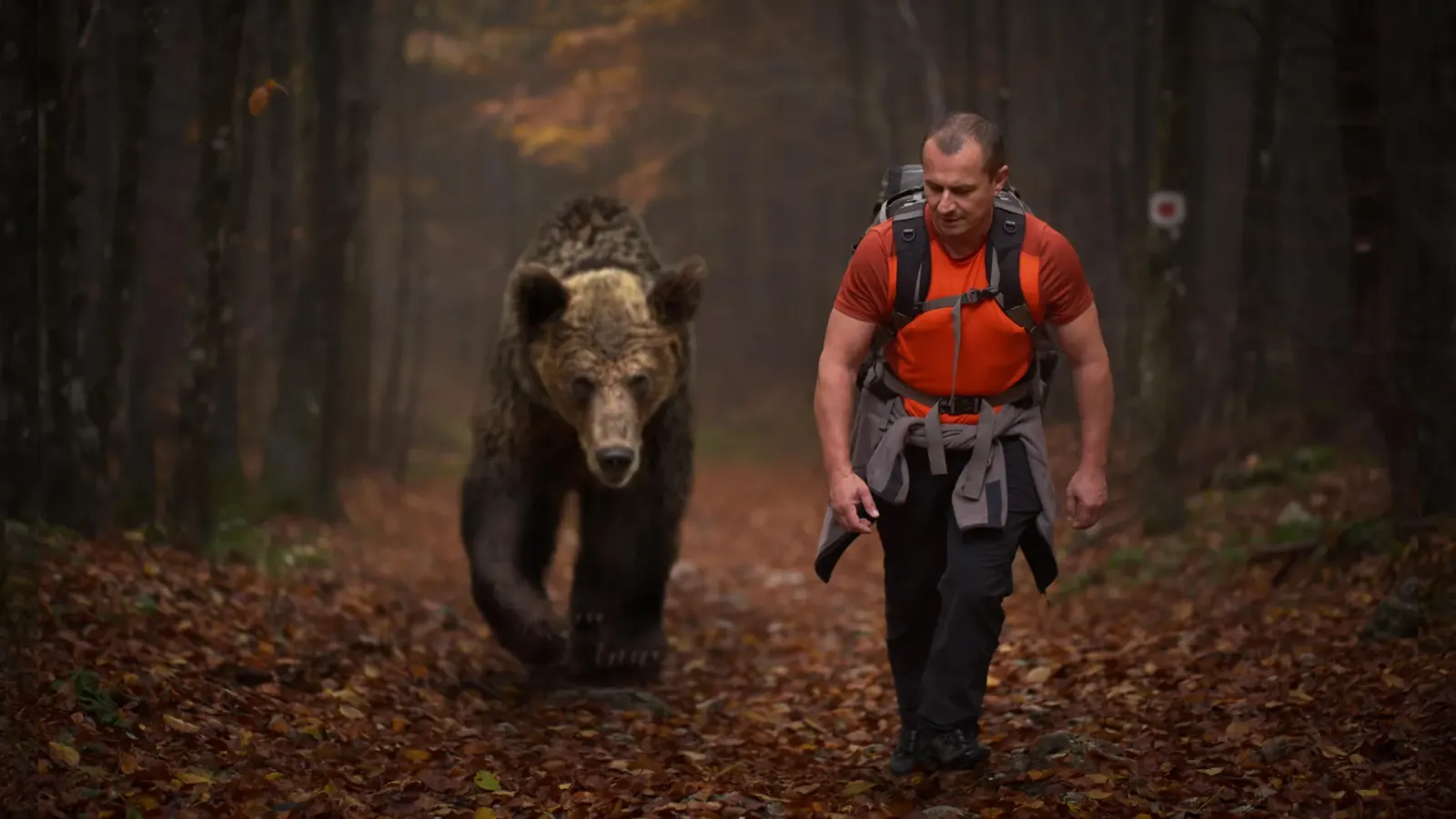
After analyzing three decades of research, scientists found wild animals become much more alert and feed less when people pose a real threat such as hunters or fishers. Non-lethal humans, including tourists and researchers, trigger weaker and less predictable reactions.
Humans get billed as the planet’s ultimate super-predator. But the “everyone is equally scary” story does not survive contact with decades of field evidence.
After analyzing three decades of research, scientists found a clear split: animals become much more alert and spend less time feeding when people pose a real threat, such as hunters or fishers. When the human presence is non-lethal, like tourists or researchers, the reactions are weaker and less predictable.
That sounds like an ecology detail. It is not. It is a real-world lesson in threat signaling, and the business of managing wildlife, tourism, and research depends on it.
In nature, predators shape behavior long before they physically attack. If an animal believes danger is likely, it pays an energy cost. It stays on alert, moves more, and spends less time feeding. The studies the researchers reviewed suggest that this behavioral “tax” is not triggered by the label “human.” It is triggered by credible threat cues. Hunters and fishers, by design, represent lethal intent. Tourists typically do not.
So why does this matter for decision-makers beyond conservation circles? Because many systems treat “human presence” as a single variable. But if the same species responds very differently to lethal versus non-lethal humans, then management strategies that only count visitors or measure general foot traffic can miss the real driver: perceived risk.
Now zoom out to incentives. The people who hunt or fish are doing so in a way that signals harm. Tourists and researchers are often trying to observe or experience nature without killing it. That difference can change animal behavior even when the human population is identical on paper. For boards and executives overseeing land and marine assets, that means operational choices have behavioral downstream effects, not just compliance checkbox effects.
There is also a governance angle. Regulatory frameworks and protected-area rules frequently focus on what activities are allowed, restricted, or prohibited. This research supports the logic behind those distinctions: lethal extraction and non-lethal visitation are not interchangeable from the animals’ point of view. Even when regulations allow both categories, the behavioral impacts are likely different. The result is a more nuanced risk assessment. Instead of asking only “How many people are there?” managers may need to ask “What kind of people are there, and what threat cues do their activities create?”
The findings also complicate public messaging. The phrase “super-predator” is a catchy metaphor, but metaphors can flatten decisions. If stakeholders assume all human interaction carries the same danger, they may overestimate the benefits of a generic “human-free” approach or underestimate how specific rules, enforcement, and activity design shape wildlife outcomes.
And here is the second-order implication that executives should not ignore: unpredictability is expensive. The researchers found that non-lethal humans trigger “far weaker and less predictable” reactions. Weak and unpredictable does not mean “harmless.” It means animal behavior may vary more by context, timing, and local cues. That can make it harder to forecast ecosystem impacts, plan staffing, or set measurable outcomes for tourism operations or research programs.
For leaders trying to balance conservation goals with economic activity, the strategic stakes are straightforward. If threat perception drives alertness and feeding time, then policies and operations that only regulate headcount without shaping perceived risk may produce inconsistent results. Meanwhile, teams that understand the lethal versus non-lethal distinction can design experiences and research activities that reduce credible threat cues, while still allowing legitimate human use.
In other words, the super-predator myth does not just fall in a science journal. It changes how you should think about wildlife management, land use, and compliance effectiveness when humans are part of the ecosystem. The “human” variable is not one thing. It is a spectrum of threat signals, and animals clearly notice the difference.
This story's Key Insights and Take-aways are locked.
Create a free account to unlock Executive Actions for one credit.
Register to UnlockAlways free for Executives Club members. Join the Club
More in Science

Alaska's 1,580-foot tsunami had warning signs. Scientists just found them.
Rapid glacier retreat, heavy rainfall, and thousands of tiny tremors preceded Alaska's 1,580-foot tsunami, a warning for every coastal community in a warming world.

The rare mutation that lets high-risk brains dodge Alzheimer's
Scientists found a natural defense against protein buildup, opening a new path to preventive treatments.

3,000 steps a day may halve Alzheimer's decline, study finds
New research links a modest daily walk to less tau buildup and nearly half the cognitive and functional decline, even for those with early signs.