

Suunto Spark earbuds ditch bone conduction for open-ear air audio
Outdoor listeners get an open-ear fit built for runs and rides, with Suunto changing the conduction approach.

Suunto’s Spark swaps bone conduction for air conduction in open-ear earbuds designed for outdoor use. For decision-makers watching wearables, it signals how product teams are rethinking comfort, fit, and sensing-ready audio experiences.
Suunto Spark does not play bone conduction games anymore. In its place, Suunto uses air conduction to deliver audio through open-ear earbuds, aiming for a “perfect fit” for the great outdoors while keeping the design open rather than sealed.
That one substitution matters more than it sounds. Bone conduction and air conduction are different ways of getting sound to your ears or head, and the Spark’s choice changes the experience of wearing audio during movement. Suunto’s pitch, plainly stated, is that the Spark’s open-ear approach plus air conduction is built to work while you are running or riding, not just sitting still and hoping your earbuds stay put.
This is also a useful reminder of how outdoor audio competes. In the early days of sports listening, the tradeoffs were usually binary: either you get decent sound with a tighter seal, or you get situational awareness with an open design and you accept some acoustic compromises. Open-ear products have to win on fit, comfort, and stability because they cannot rely on a deep seal to hold things in place or to shape the sound. When Suunto says the Spark is “the perfect pair for runs and rides,” it is essentially arguing that it solved the practical constraints that open-ear wearables always face: staying comfortable for long sessions and staying aligned with your ears while your body moves.
Where the “bone for air” swap becomes strategically interesting is in the broader wearable market context. Wearables today are not just about playback. They are increasingly evaluated as platforms that coexist with sensors, health tracking, navigation, and safety expectations. Even if the Spark review excerpt only covers the conduction change and the outdoor fit promise, the direction is consistent with how companies are packaging experiences: you want audio that does not interfere with how you move, breathe, and perceive your surroundings. For boards and execs, this matters because differentiation in consumer audio often comes down to the day-to-day friction. The lowest-friction product tends to earn the highest repeat usage.
There is also a regulatory and safety lens that keeps resurfacing for open-ear devices. Many markets, especially where cycling and other street use are common, treat audio differently than casual listening. Even when the rules do not mandate a specific technology, they typically revolve around situational awareness and safe operation. Open-ear designs are frequently marketed as a way to stay more aware than fully isolating earbuds. By choosing air conduction within an open-ear format, Suunto is aligning the Spark with that safety-minded posture, at least at the product-logic level: you get sound without fully blocking your hearing. That can be a strong positioning lever even for buyers who do not read specs, because the benefit is intuitive.
Second-order effects for decision-makers show up when you consider how product teams manage materials, durability, and user comfort. Conduction approach can influence how a device sits on the head, the mechanical interface, and how the company designs for sweat, temperature swings, and long wear outdoors. A shift from bone conduction to air conduction is not just an audio tweak. It implies different engineering priorities and a different set of user comfort assumptions. If you are running a wearable portfolio, that is a signal that the team believes the open-ear approach can deliver better real-world adoption during motion, not just in controlled demos.
For competitors, the Spark positioning pressures a familiar question: do you want to optimize for the “best possible sound,” or do you want to optimize for “sound that stays reliable while you are moving”? Suunto is betting that the outdoor use case rewards stability and comfort more than it rewards maximum audio isolation. And because the Spark swap is framed as a clean change, the message reads like a response to an observed reality in the market: users value fit during runs and rides, and the tech must support that.
If you are an executive tracking wearables, the takeaway is not that air conduction is universally superior. It is that product strategy is becoming more use-case specific. Suunto’s move suggests that companies are willing to change the underlying sensing and sound delivery approach to better match the environment. For boards evaluating product roadmaps and go-to-market execution, that is the real stake: the winning devices are the ones that reduce friction enough that people keep using them. In that sense, Spark is less about swapping a conduction method and more about committing to an outdoor listening identity, with fit and outdoor readiness as the central promise.
This story's Key Insights and Take-aways are locked.
Create a free account to unlock Executive Actions for one credit.
Register to UnlockAlways free for Executives Club members. Join the Club
More in Technology

Nvidia's $89B data center quarter: the 9 companies cashing in
The AI buildout is minting fortunes beyond GPUs, and memory, cloud, and cooling suppliers are riding the same wave.
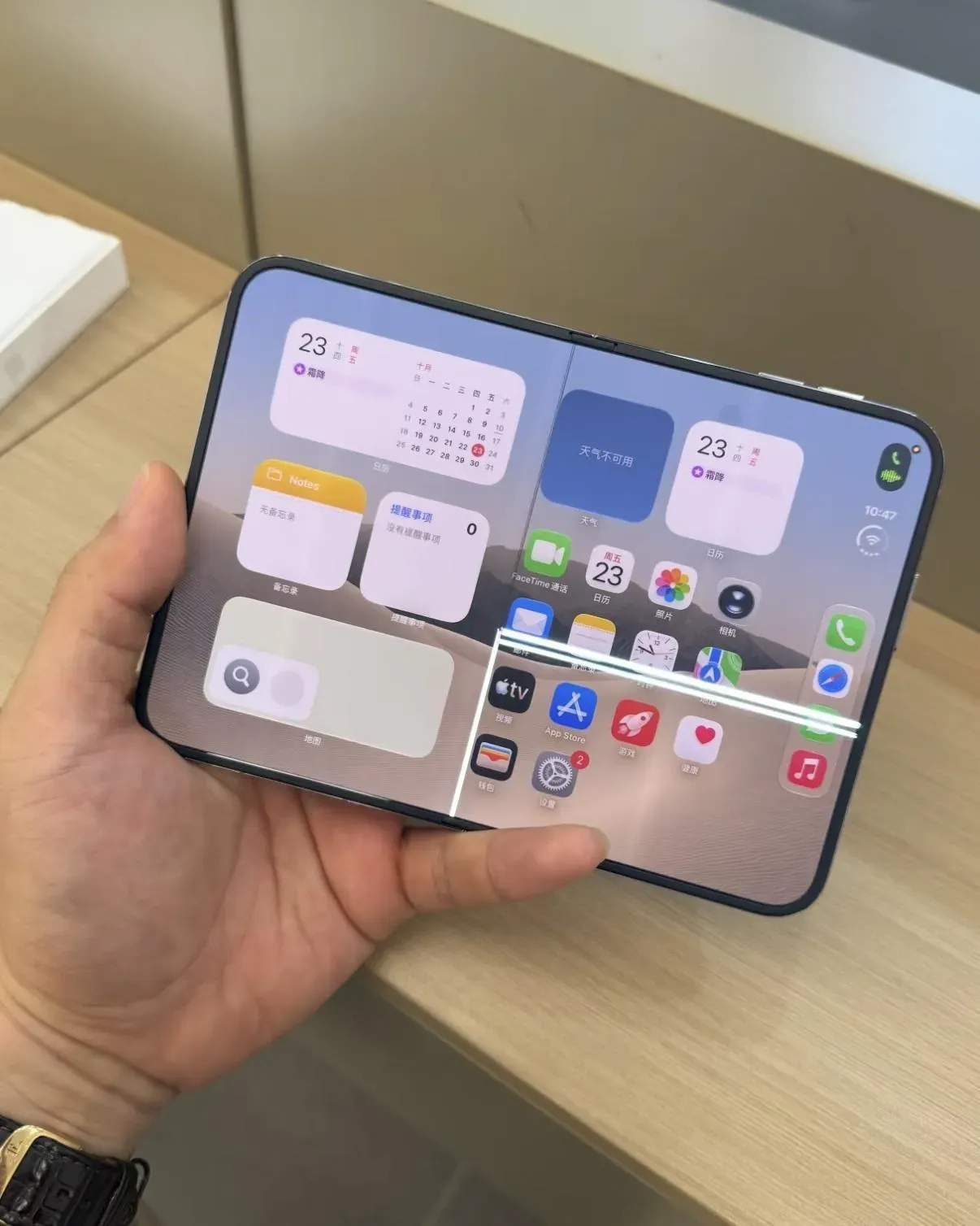
A YouTuber dissected the iPhone Duo and thinks he found crackgate's cause
CuriousHagi's teardown of Apple's foldable reveals a gear-like hinge that may explain why screens crack in the same spot within hours.

Google quietly links your phone number to every Android account on your SIM
Adding a SIM now ties your phone number to all Google accounts - and future accounts inherit it. Here's the security and privacy stakes.