

Suzuki launches Pakistan-built kei car in Brunei, testing regional exports
Suzuki expands its compact car footprint in Southeast Asia with a model assembled in Pakistan, signaling cross-regional manufacturing ties.
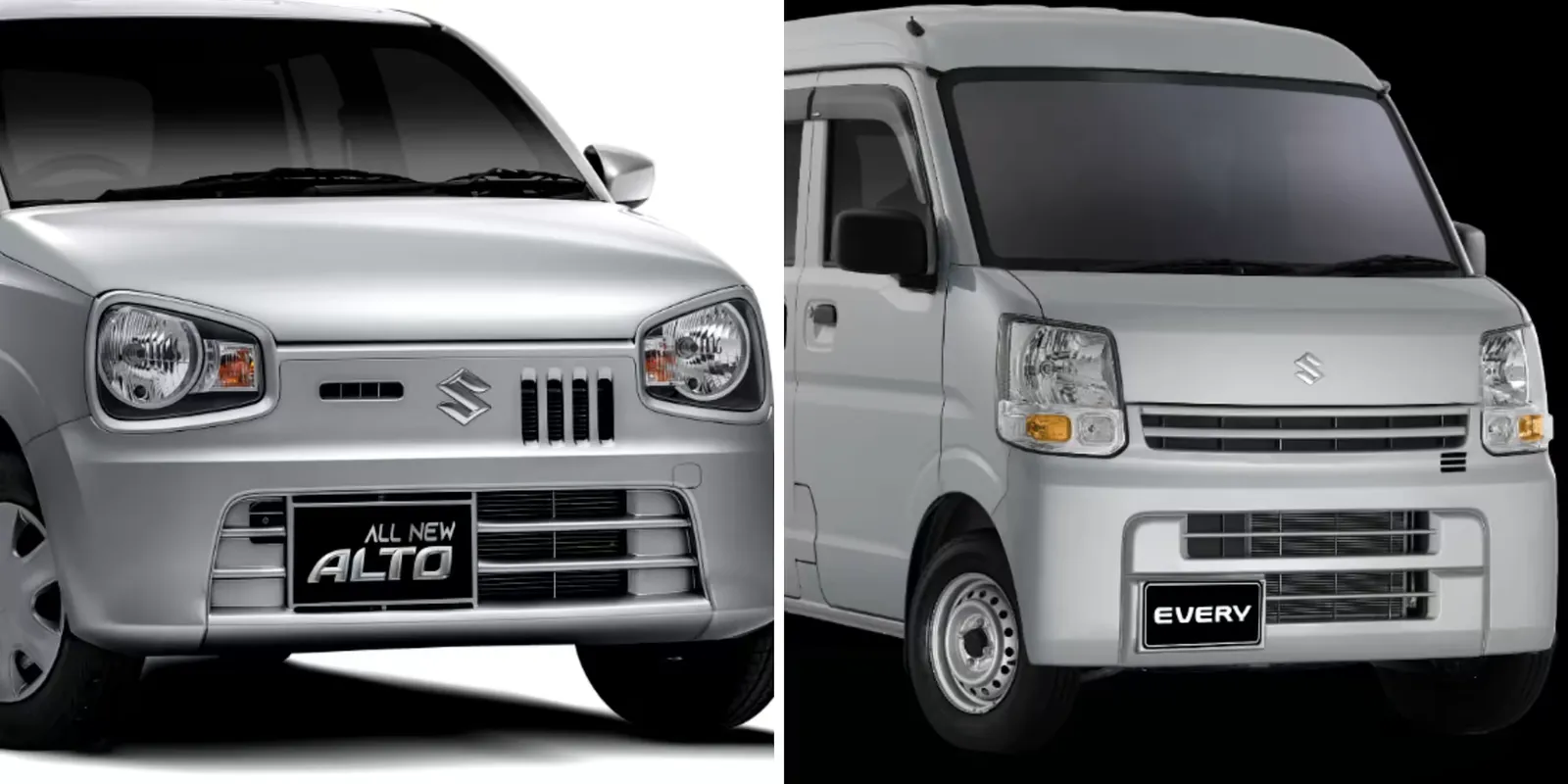
Suzuki has launched a kei-sized model in Brunei, with the vehicle manufactured in Pakistan. This move underscores Suzuki's strategy to leverage its Pakistani production base for exports to smaller ASEAN markets.
Suzuki's latest launch in Brunei is a kei-sized model, but the car didn't travel far from home-it was built in Pakistan. The move marks a notable step in Suzuki's regional playbook: using its Pakistani factories to supply compact vehicles to smaller, affluent markets in Southeast Asia. While the announcement is modest in scale, it carries strategic weight for how the automaker is thinking about production networks and export flows across Asia.
Kei cars, a Japanese category of small, fuel-efficient vehicles, are typically designed for Japan's crowded urban streets. They feature engines of 660cc or less and are known for their low running costs and maneuverability. Suzuki has long been a leader in this segment, and exporting kei-sized models beyond Japan is a way to tap into growing demand for affordable, compact transportation in emerging markets. Brunei, with its high per-capita income and small population, presents a unique testbed-one where buyers are willing to pay for quality but also value efficiency.
Brunei's auto market is tiny, with annual sales in the low thousands, but it is a wealthy nation with a taste for reliable brands. For Suzuki, entering Brunei with a Pakistan-made kei car is a low-risk experiment. It allows the company to gauge consumer response to the kei format without committing to a full-scale regional rollout. If the model gains traction, Suzuki could extend the same approach to neighboring countries like Malaysia, Indonesia, or even the Philippines, where compact cars are increasingly popular.
The choice of Pakistan as the manufacturing base is telling. Pakistan's auto industry has historically been protected and inward-looking, but Suzuki has invested heavily in local production capacity. By exporting from Pakistan, Suzuki is signaling that its Pakistani plants can serve as export hubs, not just domestic suppliers. This aligns with Pakistan's broader push to boost manufacturing exports, though the country still faces challenges in logistics, energy costs, and regulatory hurdles. Still, for Suzuki, the cost advantages of producing in Pakistan-lower labor costs and proximity to key shipping lanes-make it an attractive base for regional distribution.
This launch also reflects a broader trend in the global automotive industry: the shift toward regionalized supply chains. Rather than building dedicated plants for every market, automakers are increasingly consolidating production in a few strategic locations and exporting to neighboring countries. Suzuki's move in Brunei is a microcosm of that strategy. It also highlights the growing importance of ASEAN as a destination for Japanese automakers, who have long dominated the region's car market but now face competition from Chinese and Korean rivals.
For Brunei, the arrival of a kei-sized Suzuki adds to the country's limited vehicle choices, which are dominated by larger SUVs and sedans. The kei car's small footprint and fuel efficiency could appeal to urban drivers in Bandar Seri Begawan, where traffic congestion and parking are growing concerns. Moreover, Brunei's government has shown interest in promoting energy efficiency and reducing carbon emissions, and kei cars align with those goals. If the model performs well, it could encourage other automakers to bring similar compact offerings to the market.
From a competitive standpoint, Suzuki's move puts pressure on other manufacturers operating in Southeast Asia. Companies like Toyota, Honda, and Mitsubishi have their own compact car strategies, but Suzuki's kei expertise gives it a distinct edge. By leveraging its Pakistani production base, Suzuki can offer competitive pricing while maintaining quality. This could force rivals to reconsider their own manufacturing footprints and export strategies, particularly if Suzuki's Brunei launch proves successful and expands to other markets.
The implications extend beyond the auto industry. For Pakistan, this export represents a small but symbolic step toward integrating its manufacturing sector into global supply chains. It also demonstrates that Pakistani-made products can meet international standards, which could attract further investment from other multinationals. For Brunei, it diversifies the country's import sources and reduces reliance on traditional suppliers like Japan and Thailand. And for Suzuki, it validates a flexible, export-oriented approach that could be replicated in other regions.
In the near term, the Brunei launch is unlikely to move the needle on Suzuki's global sales figures. But strategically, it is a calculated bet on the future of compact mobility in Southeast Asia. As urbanization and environmental concerns reshape consumer preferences, kei-sized vehicles could become a more common sight on the region's roads. Suzuki is positioning itself to be ready when that moment arrives, using Pakistan as a springboard and Brunei as a proving ground. The move is a reminder that in the auto industry, even small launches can carry outsized significance.
This story's Key Insights and Take-aways are locked.
Create a free account to unlock Executive Actions for one credit.
Register to UnlockAlways free for Executives Club members. Join the Club
More in Business
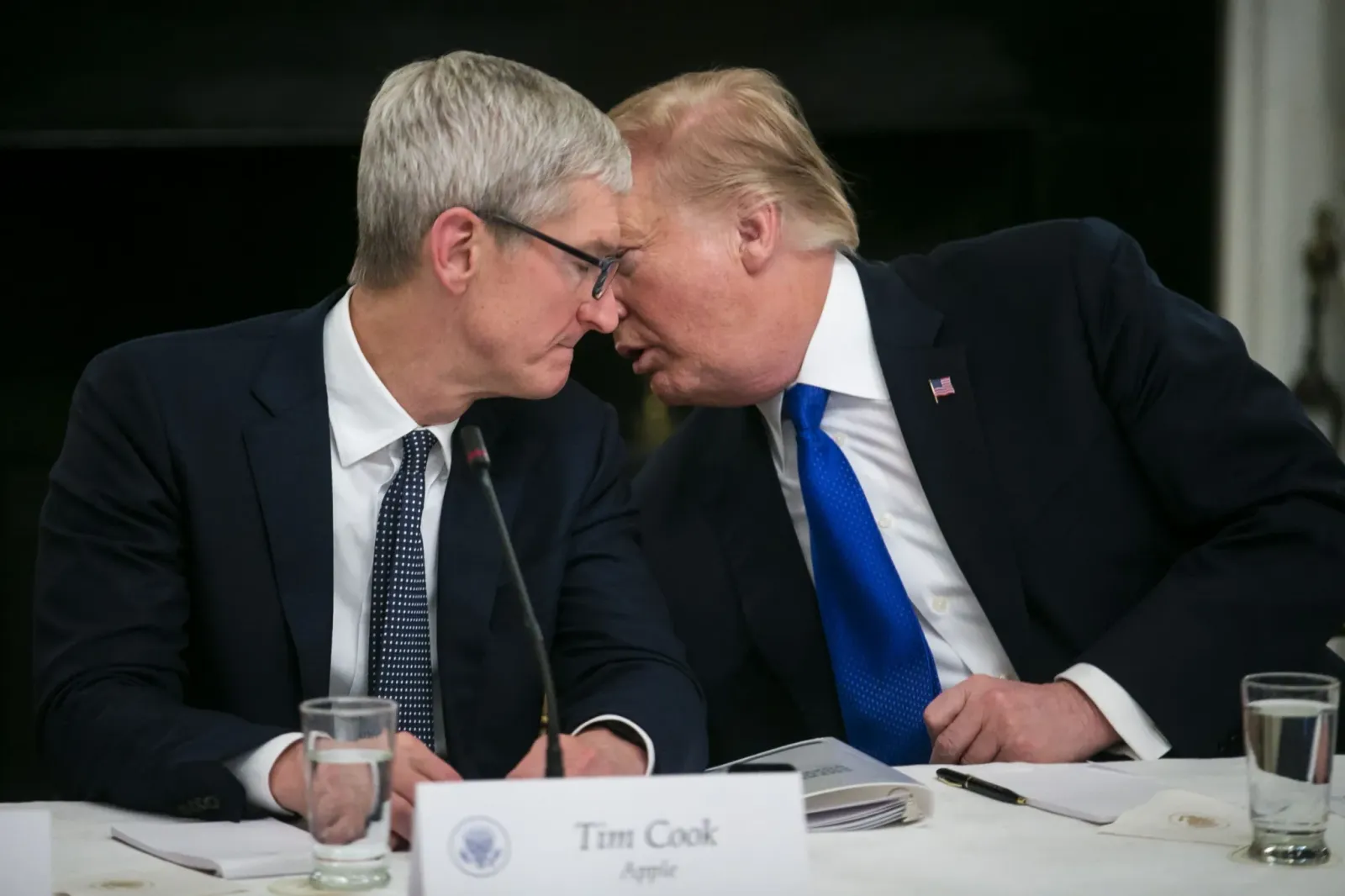
Tim Cook steps down as Apple CEO, stays on as chair with $45M equity
The 'Trump whisperer' keeps his White House and Beijing access as Apple navigates tariffs and a $4.6 trillion market cap.

Snowflake shares surge as AI data demand crushes estimates, lifting full-year forecast
Stocks jumped on stronger-than-expected guidance, signaling enterprise AI workloads are accelerating faster than Wall Street priced in.
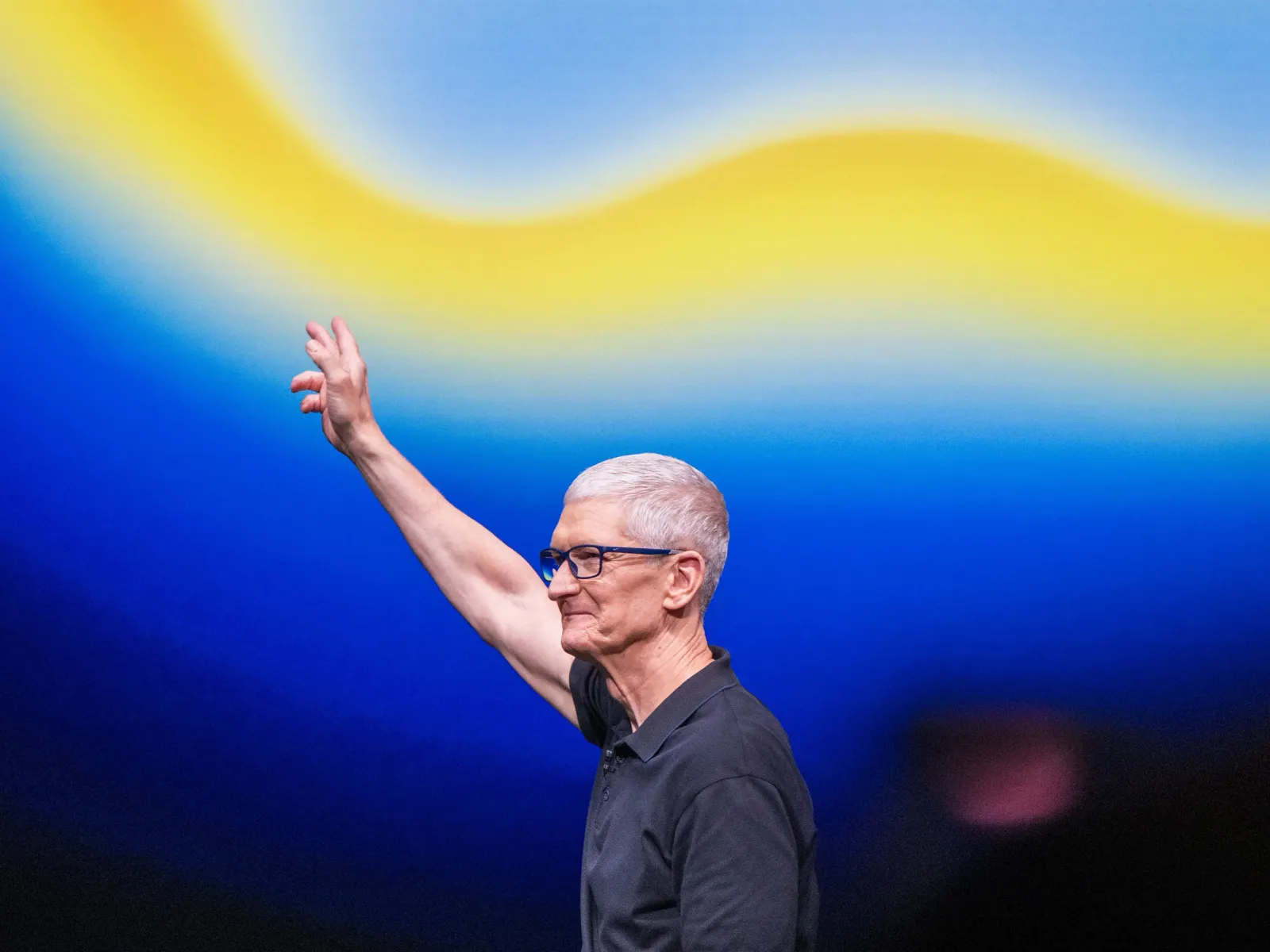
Tim Cook's 15-year Apple CEO run ends: 3 lessons for any successor
After 15 years, Tim Cook hands Apple to John Ternus - here's how he turned a $350B company into a $4.6T juggernaut.