
Sydney Sweeney gambling ad, Megan Fox male enhancement ad draw MLB playoff backlash
The backlash over playoff ads raises a governance question: who is accountable for MLB's commercial partnerships as gambling and wellness products hit the airwaves?
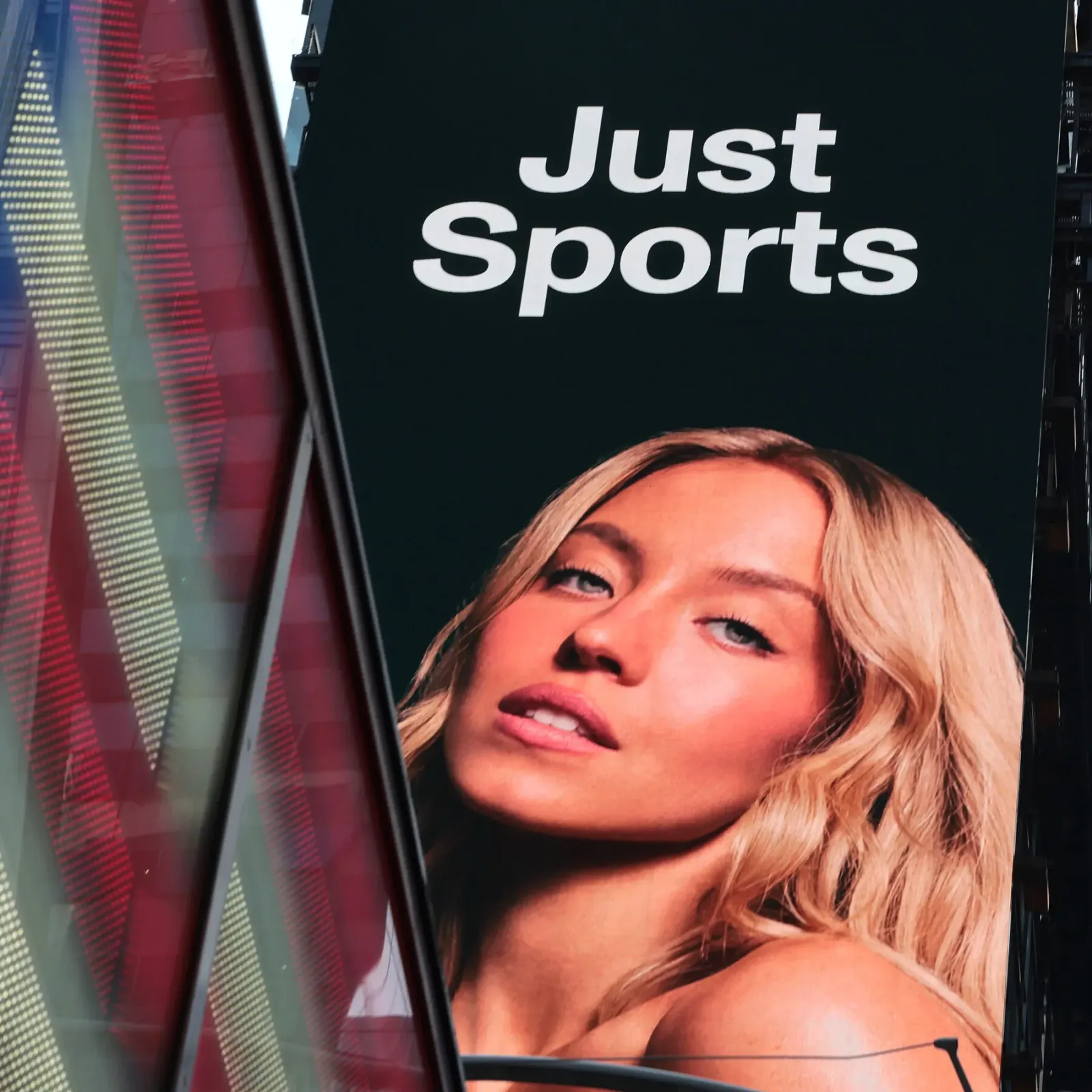
Sydney Sweeney and Megan Fox are at the center of a backlash over MLB playoff ads promoting a gambling platform and male enhancement, drawing criticism from fans and athletes. The controversy puts sponsorship oversight under the microscope for leagues and advertisers navigating sensitive product categories.
Commercials featuring Sydney Sweeney promoting a gambling platform and Megan Fox endorsing male enhancement have rankled fans and even athletes during the MLB playoffs, according to a New York Times report. The backlash is loud enough that the report asks a pointed question: who is in charge of approving these ads? The answer is not provided, but the controversy itself is a signal for anyone who sells or approves advertising in premium sports inventory.
For decision-makers, the stakes are clear: playoff broadcasts are a marquee property where brands pay top dollar to reach millions of viewers. A misaligned ad can generate more heat than the game itself, and the Sweeney and Fox spots have done exactly that. The source does not name the specific executives or companies behind the ads, but the fallout highlights the reputational risk that comes with pairing sports with gambling and wellness products.
The gambling ad is particularly sensitive given baseball's history. For decades, MLB enforced a strict ban on gambling, famously banning players like Pete Rose for betting on games. But the legal landscape shifted after the Supreme Court's 2018 decision to strike down the federal ban on sports betting, opening the door for states to legalize it. Since then, leagues have embraced sportsbooks as partners, seeing a new revenue stream and a way to engage younger fans. The Sweeney ad is part of that wave, but it collides with lingering concerns about the integrity of the game.
The Megan Fox ad represents a different kind of risk. Male enhancement products have long been a staple of late-night television, but they carry a stigma and often face regulatory scrutiny over marketing claims. Placing such an ad in a playoff broadcast, which reaches a broad audience, raises questions about the league's standards for what is acceptable in its premium inventory. It also risks alienating viewers who see the product as out of step with the family-friendly image sports leagues typically project.
The source's question, "Who is in charge?" points to a fragmented approval process. Playoff ads are typically sold by the network broadcasting the games, but the league often has approval rights over sponsors and creative. However, the exact chain of command is not disclosed in the report. What is clear is that the backlash has created a reputational problem for MLB, which now has to respond to criticism from its own fan base and players. The league may be forced to issue a statement or review its advertising guidelines, though the source does not indicate any action taken.
For executives in sports, media, and advertising, the takeaway is that brand safety is not just about avoiding offensive content; it is about aligning with the values and expectations of the audience. The Sweeney and Fox ads may have been approved through standard channels, but the public reaction shows that the bar for what is acceptable is rising. Leagues and networks need to revisit their approval processes, especially as they lean into new categories like gambling and wellness. A quick approval is not the same as a smart one.
The backlash could also have financial implications. If fans and athletes continue to voice displeasure, advertisers may pull back from playoff inventory, or MLB may face pressure to tighten its standards. That could limit the pool of advertisers willing to pay premium rates, potentially affecting future broadcast deals. On the other hand, the controversy might be a short-term blip, as sports fans are used to seeing a wide range of ads during games. But the fact that athletes themselves are rankled suggests the issue runs deeper than typical viewer complaints.
Ultimately, the source does not provide a name or a specific decision-maker, but the question itself is the story. It signals that the governance of sports advertising is under scrutiny, and that the days of rubber-stamping celebrity endorsements are over. For anyone in a leadership role, the lesson is to ask not just "is this legal?" but "is this in line with our brand?" The answer may be uncomfortable, but it is better to ask before the backlash, not after.
This story's Key Insights and Take-aways are locked.
Create a free account to unlock Executive Actions for one credit.
Register to UnlockAlways free for Executives Club members. Join the Club
More in Business

Elon Musk unveils a flying car, and SpaceX helped build it
The Tesla CEO's showcase at a SpaceX facility signals a future where road and rocket engineering converge.

Apple's $2,000 iPhone Duo opens preorders, taking on Samsung and Google
Apple's first foldable hits the market at a premium price, reshaping a category Samsung and Google have led.

Pope Leo XIV, first American pope, diagnosed with lung cancer
The 71-year-old Chicago-born pontiff underwent successful surgery on his right lung, and his diagnosis raises new questions about his AI-focused papacy and the Vatican's future.