
TE Connectivity is betting connectors power AI, EV, and smart factories growth
How TE Connectivity plc (TEL) positions its connector business for AI compute, electric vehicles, and factory automation demand.
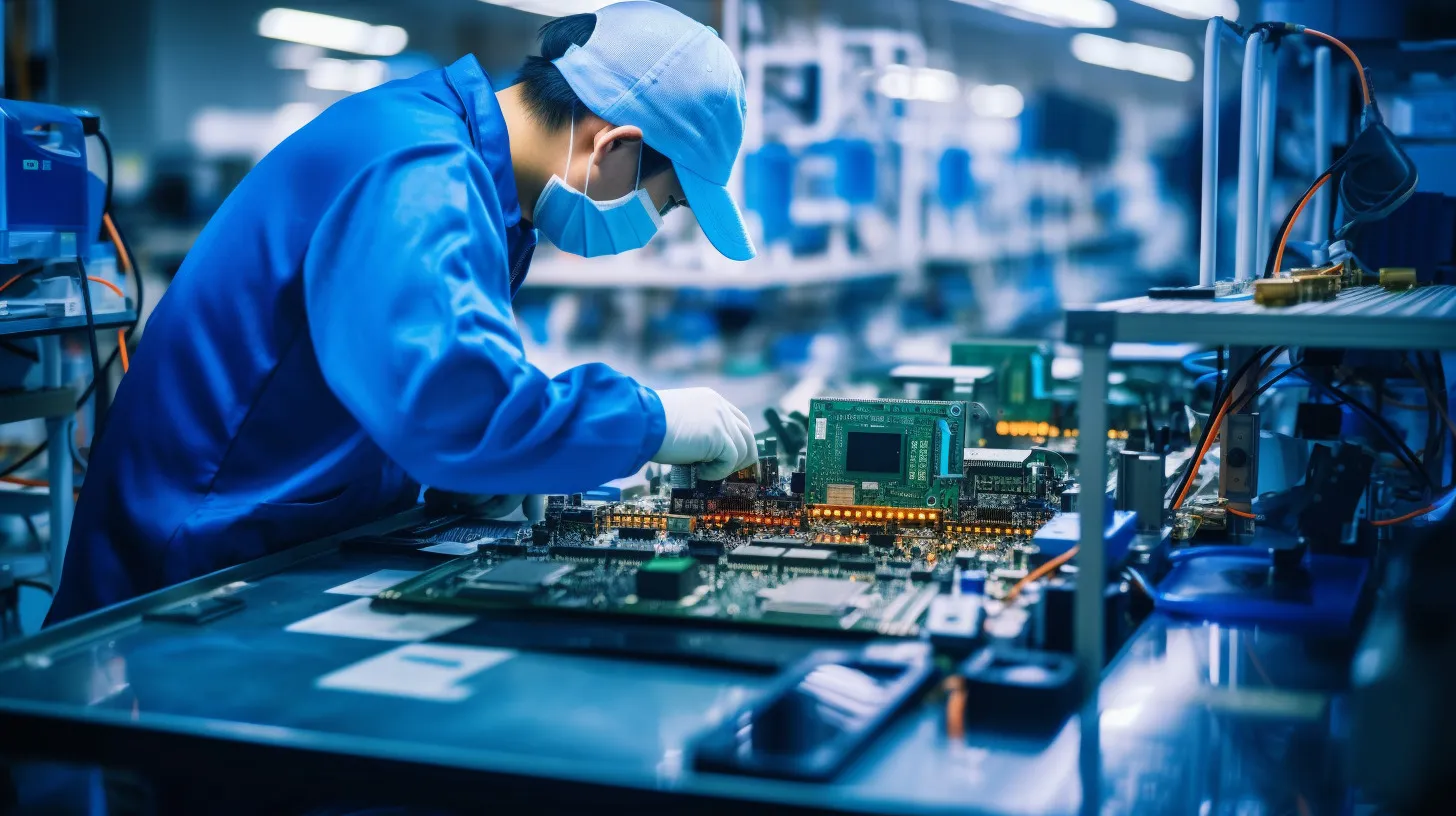
TE Connectivity plc (TEL) has framed its connectors business as the enabling layer behind AI, EV, and factory automation growth. For decision-makers, the implication is simple: connectivity spend is becoming a strategic lever, not a commodity line item.
If you think “connectors” are a sleepy, low-profile part of industrial supply chains, TE Connectivity plc (TEL) is trying to make you rethink that. The company’s thesis is that connectors are not just components you bolt on. They are a critical infrastructure piece for next-wave infrastructure like AI systems, electric vehicles, and factory automation. In other words, TEL is positioning itself as a growth engine by connecting the data, power, and control flows that modern machines and vehicles need.
That framing matters because these categories are not abstract trends. AI needs massive compute and the supporting electronics ecosystem. EVs need power routing and reliable electrical interconnects across battery, charging, and onboard systems. Factory automation needs robust connections that can survive industrial environments while delivering consistent signal and control. TEL is presenting this connector portfolio and the demand backdrop as the foundation for a growth story spanning those three markets. The headline promise is the bet: TE aims to turn its connector expertise into a durable AI, EV, and automation growth pipeline.
To understand why TEL is leaning into this, it helps to recall how connectors typically get treated in corporate planning. Many firms treat connectivity as a cost of doing business, procured on performance and reliability, then managed like a steady procurement line. But when the end market changes from “basic electronics” to “high utilization systems” and “electrified mobility,” the requirements change too: thermal limits, vibration tolerance, signal integrity, power handling, and uptime expectations all tighten. In that world, the connector is where design constraints collide with operational reality. If TE can credibly claim it is helping systems meet those constraints, it moves from supplier to enabler.
Now add the demand mechanics. AI growth pushes more servers, more networking gear, and more hardware density. That creates a higher need for reliable interconnect solutions, especially as designs try to cram more capability into less space and maintain performance under heat and stress. EV growth pushes more electrification content into vehicles, which means more places where electricity has to be routed safely and consistently. Factory automation growth pushes connected machines into fleets where downtime is expensive and reliability is a differentiator. TEL’s growth narrative is basically the argument that “connectivity is the dependency layer” for each of these outcomes.
There is also a governance and capital angle underneath the story. When a company ties itself to multiple fast-moving end markets, it is trying to reduce dependence on any one cycle while increasing the total addressable opportunity. Board-level thinking often looks for that kind of portfolio logic: if one segment slows, another may carry the load, and operational improvements can compound across platforms. The connector business is also naturally global and long-running, which can benefit from scale efficiencies. The risk, however, is that the narrative has to match execution. Growth stories like this typically come down to whether the company can secure design wins, maintain product leadership as specifications evolve, and deliver reliably as volumes ramp.
Regulatory and policy context matters too, even when the story is about hardware. EV adoption is influenced by government incentives and emissions rules, while industrial automation is shaped by competitiveness goals, workforce dynamics, and the pressure to improve productivity. AI is shaped by both demand and constraints such as data center buildouts, power availability, and procurement decisions. All of those pressures feed into hardware spending, and hardware spending feeds into the need for components that can meet new standards. If TEL is positioning connectors as essential to these systems, then policy-driven shifts in adoption rates can translate quickly into procurement demand for the enabling layer.
For executives and investors evaluating industrial and electronics supply chains, TEL’s approach is a useful signal. It is a reminder that the winners in technology transitions are not only the firms shipping the “headline products” like servers or vehicles. They are also the firms embedded in the architecture that makes those products work in the real world. When a connector supplier frames itself around AI, EV, and smart factories, it is effectively telling decision-makers where they should look for resilience, design-in opportunities, and growth that follows infrastructure buildouts rather than one-time product cycles. The strategic stakes are clear: if connectivity becomes a structural input to AI compute, electrified mobility, and automation uptime, then TEL is trying to capture a larger share of that future spend.
This story's Key Insights and Take-aways are locked.
Create a free account to unlock Executive Actions for one credit.
Register to UnlockAlways free for Executives Club members. Join the Club
More in Business

Bungie cuts most Destiny 2 staff as Sony says Marathon still matters
Herman Hulst confirms layoffs affecting most Destiny and some Marathon teams after Bungie admits Destiny fell short.

SK Hynix jumps 11% after seeking up to $29.4B in Nasdaq listing
The chip giant filed for a Nasdaq listing plan that could raise $29.4 billion, instantly reshaping investor expectations.

Micron revenue hits nearly $42B as AI memory lifts gross margins above 81%
Fiscal Q3 results crush estimates, prove AI memory is rewriting Micron's margins, and change the momentum math for the whole chip stack.