
Tempest Rising’s Veti get 11-mission singleplayer campaign, paid expansion, demo playable now
Slipgate Ironworks confirms the elusive third faction is playable in singleplayer for extra cost, with a demo already live.
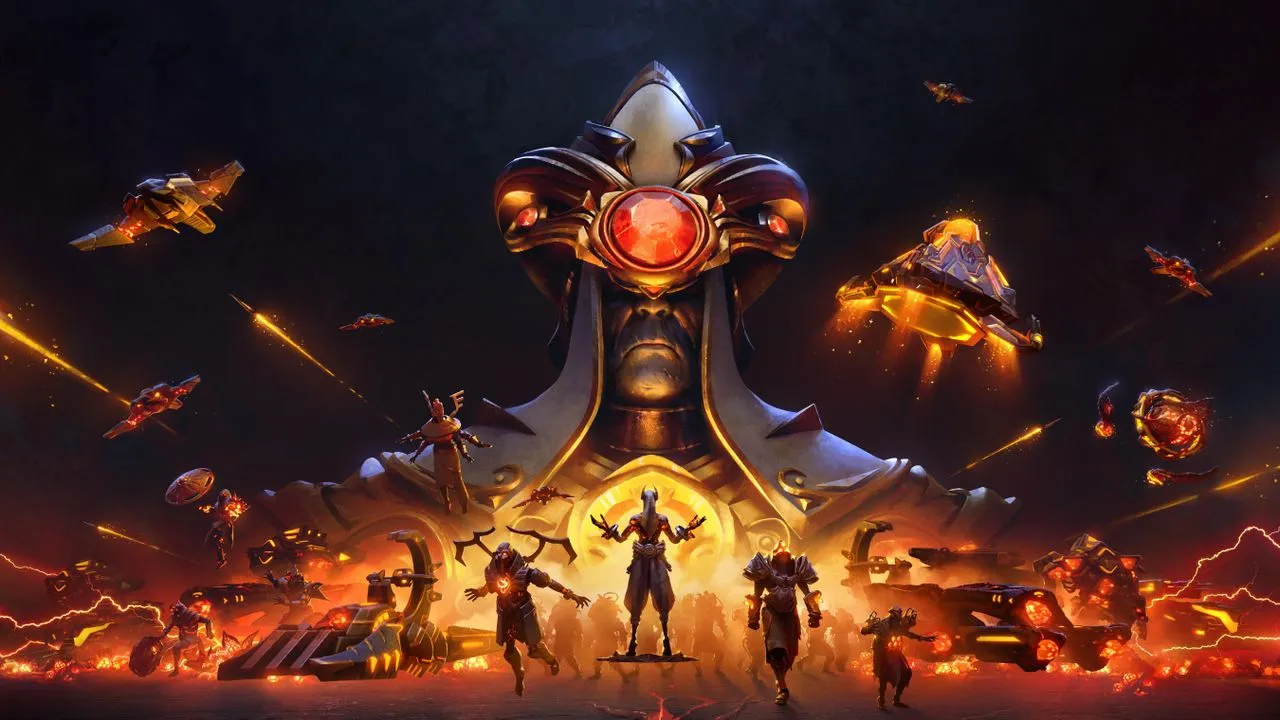
Slipgate Ironworks is adding Veti as a playable third faction in Tempest Rising through a paid expansion called Veti's Wrath, launching later this year. It brings 11 new singleplayer campaign missions, and players can already try the first two Veti missions via the current demo.
Tempest Rising’s long-missing third faction, the Veti, is finally coming to singleplayer. Slipgate Ironworks’ Veti's Wrath adds 11 new campaign missions for the Veti, and it is a paid expansion releasing later this year.
The payoff is immediate for anyone who wants to de-risk the purchase decision: the demo you can play right now includes the first two Veti missions, plus the first two missions for both the GDF and the Tempest Dynasty. So you can see how the “ancient, slumbering beneath the Earth for centuries” faction plays before you pay for the full run.
Why this matters is simple. When Tempest Rising launched last year, it had three factions battling on war-torn future Earth, but only two were playable in singleplayer with their own campaigns: the GDF and the Tempest Dynasty. The Veti were computer controlled. That left a major gap for players who want choice, narrative variety, and mechanics that change how the RTS plays, not just who you pilot. Slipgate has said the Veti would be made playable at some point, and it has been testing the faction’s multiplayer integration for some time. The new move confirms that testing has crossed into the more expensive work of building a tutorial-like campaign experience.
Slipgate says early Veti campaign missions “will serve as a tutorial for the faction” in a similar vein to the campaigns in the base game. In plain English, this is not just “here’s a mission pack.” It is structured onboarding. That is especially important for a faction with a distinct identity, because the Veti are not a reskin. They have an Ancient Egyptian aesthetic and a very different playstyle theme: conversion and sacrifice. Mechanically, the faction can raise dead enemy soldiers as “enlightened,” then spend those enlightened units as a resource to upgrade structures and provide other benefits. That design implies different pacing and resource logic than the other two factions, and tutorials are how an RTS developer tries to prevent the campaign from turning into a guessing game.
The expansion also lands with a business-model twist that decision-makers should notice. While you will have to pay extra to play the Veti in singleplayer, the Veti will be available as a multiplayer faction in the base game at no extra cost. For boards and operators, that split is a classic incentive alignment problem: keep multiplayer healthy and instantly inclusive, while monetizing the higher-effort, higher-production-value content layer of a dedicated campaign. It also changes how communities interpret value. If players can test the faction in multiplayer for free, the paid singleplayer pitch is judged more on “do you want the campaign experience” rather than “do you want access to the faction at all.”
Timing is the other piece. Veti's Wrath releases later this year, which means Slipgate is effectively staging content delivery with a demo-first bridge. That reduces launch-day uncertainty for players, and it creates a feedback loop for the studio before the full expansion ships. The demo includes not only the first two Veti missions, but also the first two missions for both the GDF and the Tempest Dynasty, which gives you a built-in comparison point. In a competitive RTS market, comparison testing is huge, because the fastest path to purchase is not hype. It is “I tried it and it clicked.”
If you are tracking the bigger pattern across PC strategy games, this is another signal that singleplayer is still treated as a product, not an afterthought. Slipgate’s approach suggests that the company views the campaign as a differentiator worth putting behind a paid expansion. It also raises the stakes for the people who fund or publish RTS titles. If the base game already shipped with two faction campaigns and a computer-controlled third, the expansion effectively converts “missing content” into a revenue opportunity. That can work, but only if the added faction feels like a first-class citizen, not a late patch.
For executives at other studios, the second-order lesson is about how to monetize complexity without alienating your community. The Veti’s mechanics are conversion, sacrifice, raising dead enemies as enlightened, and spending those as a resource. That kind of system can be polarizing if it lands too abruptly. Slipgate’s stated plan to make early missions a faction tutorial is an explicit acknowledgement of that risk. Meanwhile, offering multiplayer access for free reduces backlash and keeps the playerbase engaged while the singleplayer campaign remains gated behind the paid expansion.
So the strategic stakes are clear. For RTS operators and investors, the question is whether a paid third-faction campaign can both satisfy player curiosity and sustain purchase intent long enough to matter financially. For players, the decision is now easier because the demo includes the first two Veti missions, giving a concrete taste of the 11-mission campaign before the full release later this year.
This story's Key Insights and Take-aways are locked.
Create a free account to unlock Executive Actions for one credit.
Register to UnlockAlways free for Executives Club members. Join the Club
More in Entertainment

12TB Steam 'teraleak' goes beyond Valve: GTA 3, Mafia 2 prototypes exposed
A 12-terabyte dump of Steam data reveals prototypes and builds of third-party classics like GTA 3 and Mafia 2, plus unreleased Valve content, rewriting game history.

LinkedIn's romance problem: 1 in 4 workers say dating on it is fair game
A new survey shows a quarter of U.S. employees treat the professional network as fair game for romance, even as LinkedIn bans it and removes hundreds of thousands of offending posts.

Enhypen's first No. 1 album breaks K-pop's Billboard 200 streak
The K-pop group's 98,000-unit debut tops the chart while Dolly Parton's catalog reentry shows how death reshapes streaming.