

Tencent tests an AI assistant inside WeChat to catch up on rivals
The company is using WeChat's everyday reach to scale AI services fast, and the competitive clock is ticking.

Tencent is testing an AI assistant in WeChat, China’s most popular messaging app, as it expands its AI services. For decision-makers, it is a reminder that distribution inside daily-life platforms is becoming the battleground for AI adoption.
Tencent is testing an AI assistant inside WeChat, China’s most popular app, as it looks to broaden how people use its AI services. The move matters because WeChat is not a niche tool. It is embedded in daily life, functioning as messaging, payments, social coordination, and a gateway to services. If Tencent can get AI to show up in that routine, it can turn curiosity into real usage without requiring users to download anything new.
In plain terms: Tencent is trying to bring its AI assistant to where the users already are, instead of asking them to come to it. CNBC frames the company’s effort as a catch-up play, aimed at expanding use of its AI services by tapping WeChat’s huge user base. That is a big distinction. AI models can be impressive, but adoption usually hinges on friction. WeChat reduces friction because it is already the place people open multiple times a day.
This kind of distribution strategy is not unique to Tencent, but the stakes are especially high in China. Many of the biggest internet platforms there behave like super-app ecosystems, where the “front door” to services is the app itself. When those platforms add new AI features, they do not just add a product. They change workflows. And when workflows change, user expectations change. Once an AI assistant is part of normal app behavior, it becomes harder for competitors to dislodge it without matching the experience.
There is also a competitive angle. CNBC’s headline calls out Tencent’s goal to catch up with rivals. That suggests a gap in AI momentum relative to other players, whether that gap is in user-facing features, developer integration, or perceived usefulness. The WeChat testing approach indicates Tencent is betting that speed plus reach can offset any lag. In boardroom terms, it is a strategic wager on user scale as an accelerant for AI services.
Regulation is the other reason this matters. China’s internet and AI landscape has tighter oversight than many Western markets, and platform operators typically have to balance product experimentation with compliance. An AI assistant inside WeChat would likely face scrutiny around what it can say, how it handles user data, and how it fits into existing content and service rules. Even if Tencent is only testing, the operational reality is that the company will need to build guardrails into the feature from the start. That requirement can slow down iteration, which makes the distribution advantage even more valuable. If Tencent can get the assistant working reliably inside WeChat, it may reduce the need to rely on separate channels that are slower or riskier to deploy.
Second-order implications for decision-makers show up fast. First, platform features can become subscription-like in behavior, meaning they can increase stickiness even if the AI assistant is free at launch. Second, competitors may feel pressure to replicate the “assistant in the super-app” pattern. If rival apps start offering similar in-context assistants, Tencent’s test could become the benchmark for what users expect inside daily messaging and services. Third, internal alignment becomes critical. Scaling AI in a super-app is not just an engineering task. It involves product design, customer support readiness, policy and compliance processes, and performance monitoring.
So where does this leave peers and investors watching from the outside? The clearest strategic stake is distribution. In the AI era, the winner is not always the best model. Often, it is the company that inserts AI into the user journey with the least extra effort. By testing an AI assistant in WeChat, Tencent is effectively making the bet that WeChat’s everyday indispensability can help translate AI capability into AI usage. For executives at other platforms, the lesson is uncomfortable but useful: if you do not control the routine moments of user behavior, you may be stuck competing on features rather than adoption.
This story's Key Insights and Take-aways are locked.
Create a free account to unlock Executive Actions for one credit.
Register to UnlockAlways free for Executives Club members. Join the Club
More in Technology
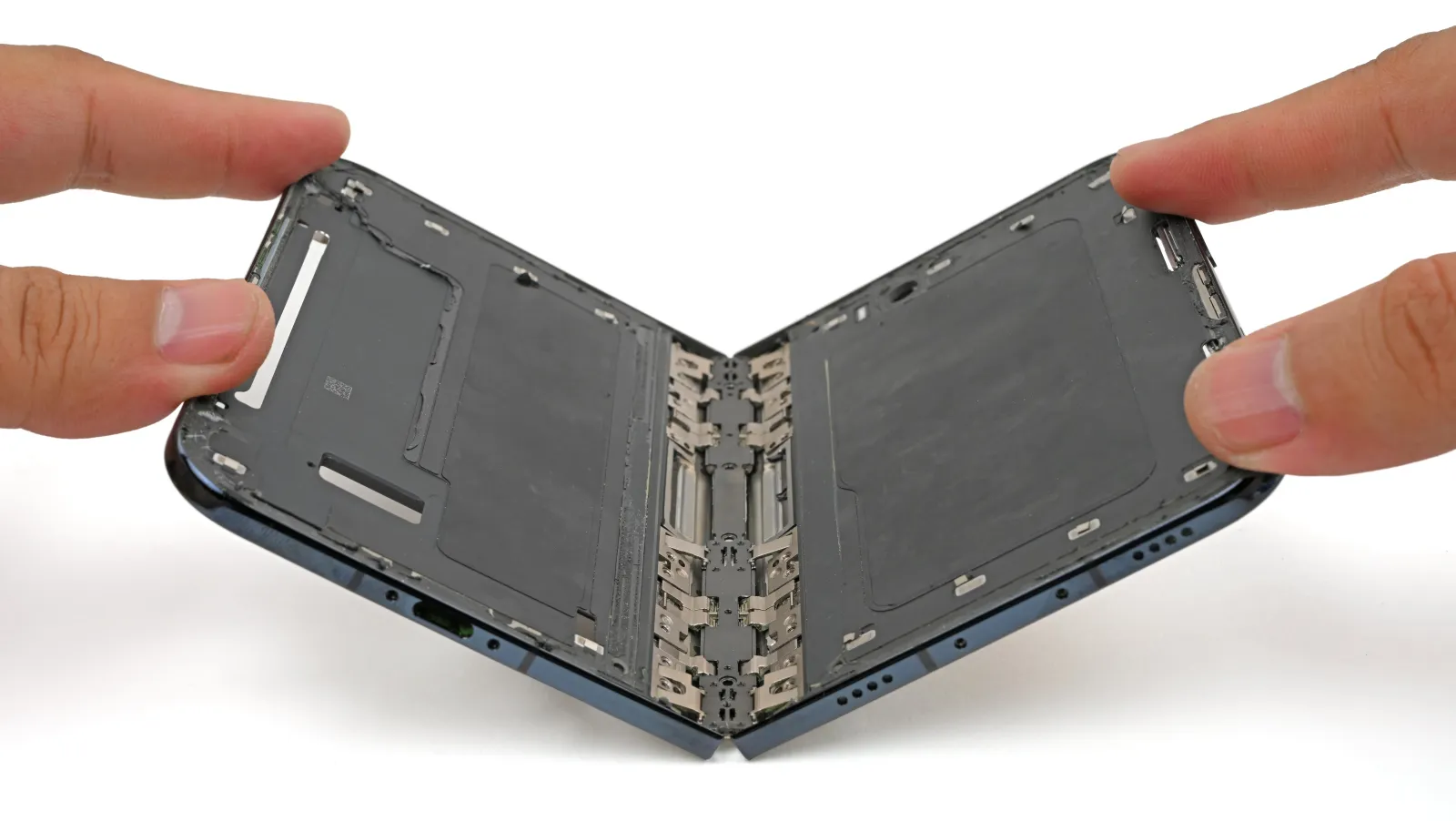
iPhone Duo screens crack above hinge - Apple confirms issue, iFixit tears it down
Within hours of launch, new foldables broke at the crease. Apple is replacing units, and teardown expert Shahram Mokhtari is inside the hinge.

Self-driving excavator startup Bedrock digs up $600M, now worth $4.1B
Bedrock Robotics banks $600M to automate excavators, valuing the startup at $4.1B.

Microsoft offers buyouts to 60,000 as AI efficiency push reshapes its workforce
The voluntary buyout offer is the clearest sign yet that Microsoft will trim headcount even as it accelerates AI infrastructure spending.