

Tesco says Middle East conflict cut UK sales growth to 1.8% in three months
Strong online sales helped, but comparable sales rose only 1.8% to 13.4bn pounds by end of May.
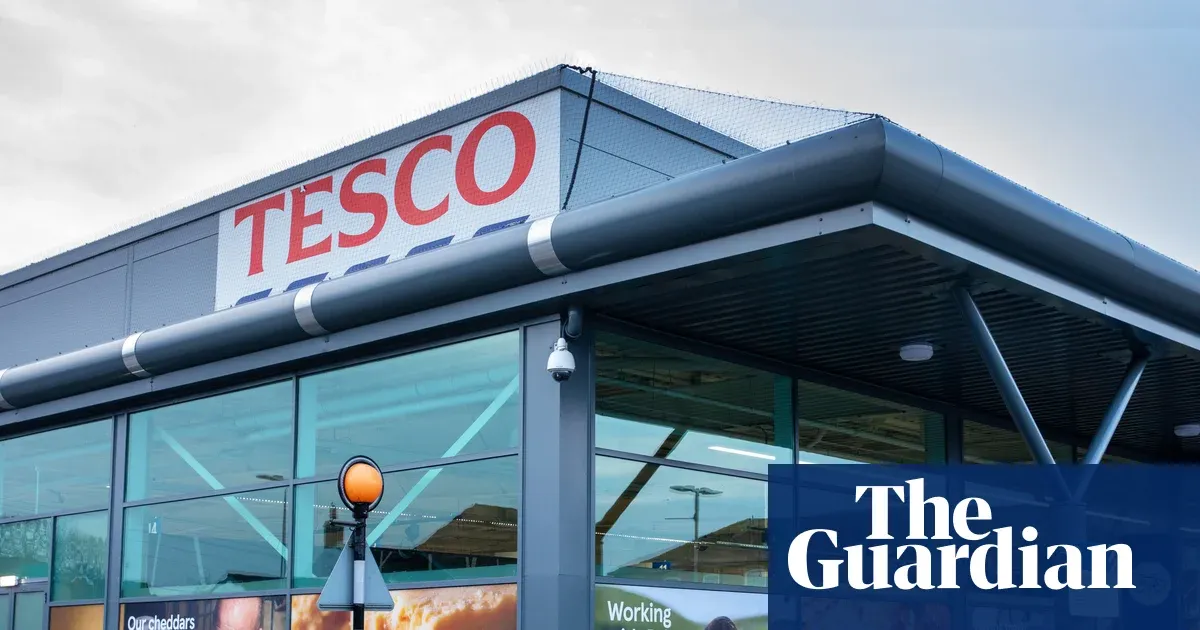
Tesco reported that comparable UK sales rose 1.8% to 13.4bn pounds in the three months to the end of May. The retailer linked slower growth to “ongoing uncertainty for many households,” despite beating City analysts’ expectations.
Tesco’s UK sales growth more than halved, settling at 1.8% in the three months to the end of May, to £13.4bn. The headline number is what matters to anyone tracking UK consumer demand: Tesco explicitly pointed to conflict in the Middle East as a driver of “ongoing uncertainty for many households.”
That context also helps explain why the quarter reads like a mixed bag. Growth did not just cool from the previous period. It fell below the 4.2% reported in the previous quarter and came in under the 2.3% increase City analysts had expected. In other words, the business got some lift from online, but the broader demand story still feels unsettled.
To unpack what’s going on, it helps to remember how retailers talk about performance. Tesco’s “comparable sales” measure is essentially a like-for-like view of sales, designed to strip out some noise so investors can compare quarters more cleanly. When that number rises, it signals shoppers are spending more either in higher volumes or higher basket values. When it slows, it usually means one of two things: shoppers are tightening their budgets, or retailers are doing a better job in channels but not enough overall to offset weaker store-driven demand.
Tesco’s quarterly update also shows how quickly “online strength” can become a partial stabilizer in a wobbling consumer environment. The source notes Tesco was “cheered by strong online sales.” That matters because online behaves differently than footfall. Delivery and click-and-collect can keep demand steady even when customers hesitate to visit physical stores, especially when consumers are balancing everyday needs against uncertainty.
But even with that channel support, the growth cooling from 4.2% to 1.8% tells you the whole market is under pressure. Retailers operate on thin margins and rely on consistent traffic and repeat purchasing. If households start treating discretionary spend more cautiously, even a good online experience can only do so much. The Middle East conflict reference is a reminder that modern consumer spending is not insulated from geopolitics. Energy prices, shipping costs, and sentiment can ripple into grocery behavior, even when food is the “default” category.
The market angle here is also brutally practical. City analysts expected 2.3% growth, and Tesco came in below that. That does not mean the quarter is disastrous, but it does mean investors will keep asking whether Tesco can sustain growth rates that feel more normal for a dominant UK grocer. The source also frames the results as “better figures than expected,” which suggests there is nuance in how the overall package landed with analysts beyond the single comparable sales metric quoted here.
For boards and senior finance teams, this kind of quarter is where your risk management shows. Guidance conversations stop being abstract. Management has to translate uncertainty into operational decisions: inventory planning, promo calendars, pricing strategy, staffing, and how much to invest in digital capacity without overcommitting capital. When households are described as uncertain, the shopping pattern changes. Some customers trade down. Others shift timing. Others consolidate orders online, which can help revenue but complicate margin if fulfillment costs rise.
Regulators and competition dynamics sit in the background as well. UK grocery is a highly scrutinized sector where pricing and availability can become political quickly. Even when the core issue is demand uncertainty from conflict, regulators and policymakers still focus on whether competition keeps prices fair and shelves stocked. In that environment, retailers have to balance customer value with the mechanics of supply chain resilience.
So what should executives take from Tesco’s 1.8% comparable sales growth to £13.4bn, and the explicit tie to “ongoing uncertainty for many households”? The second-order lesson is that consumer sentiment shocks can compress performance even when one channel is strong. Online can cushion, but it does not rewrite the demand reality. For peers watching their own metrics, the stakes are straightforward: if you are managing for steady growth, you need a plan for quarters where uncertainty cuts the topline trajectory, and you need to prove you can keep customers buying without letting costs and promos spiral.
This story's Key Insights and Take-aways are locked.
Create a free account to unlock Executive Actions for one credit.
Register to UnlockAlways free for Executives Club members. Join the Club
More in Business

Anthropic’s Levant Alpöge cracks the Jacobian conjecture after 87 years
A Harvard valedictorian used Claude to hit a 1939 breakthrough, but the missing “why” is the real problem.

Uber buys Delivery Hero for nearly $15B, vaulting to top food delivery outside China
The deal doubles Uber's dual-services footprint and pushes a ride-and-eats bundling play into 50 more markets.

Epic and Google drop settlement bid, forcing rival Android app stores by July 22
Google told the court it is ready to carry third-party app stores starting Wednesday, July 22.