
Tesla wants to know if you'll buy a Cybercab fleet
Tesla published a form Thursday soliciting interest in Cybercab fleet purchasing - a signal it's moving toward commercial robotaxi operations.
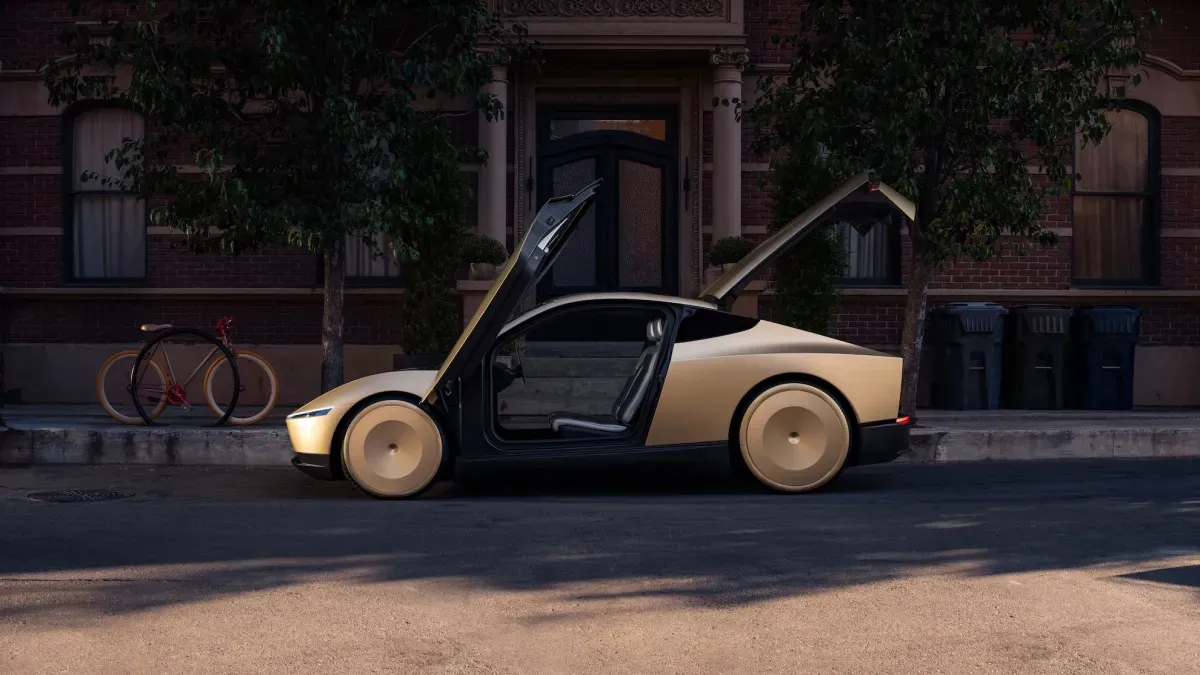
Tesla published a form on its website Thursday soliciting interest from potential buyers of Cybercab fleets, signaling a step toward commercializing its robotaxi ambitions. For executives, this indicates Tesla is preparing to sell its autonomous vehicles to fleet operators rather than only operating them itself.
Tesla published a form on its website Thursday soliciting information from people interested in "Cybercab fleet vehicle purchasing." The form is a direct ask: does anyone want to buy and run a fleet of Tesla's purpose-built robotaxis? It's a quiet but telling move from a company that has historically kept its autonomous vehicle plans close to the vest, and it suggests Tesla is now actively building a pipeline of third-party operators to deploy its Cybercab fleet at scale.
For decision-makers, this is more than a curiosity. Tesla is effectively opening the door to a new business model: instead of operating every robotaxi itself, it will sell Cybercabs to fleet owners who take on the operational burden. That shifts the economics of robotaxis from a capital-intensive ride-hailing service to an asset-sale play, with Tesla collecting revenue upfront and letting others manage the day-to-day logistics. The form's existence confirms that Tesla is serious about commercializing the Cybercab, not just showcasing it as a concept.
For context, Tesla unveiled the Cybercab in October 2024, a sleek, two-seat vehicle with no steering wheel or pedals, designed specifically for autonomous ride-hailing. The company has said it plans to produce the vehicle in the coming years, with a target price under $30,000. But production is only half the battle. To make robotaxis a viable business, Tesla needs a fleet on the road, and that fleet needs operators. By soliciting interest now, Tesla is gauging demand and building a waiting list of potential buyers before the vehicle even hits production.
The regulatory landscape adds another layer of complexity. Autonomous vehicle operations are subject to federal and state oversight, and Tesla's approach has drawn scrutiny from safety regulators. While Tesla has not disclosed the form's specific questions, it likely collects details such as fleet size, intended operating area, and experience with autonomous vehicles. This information would help Tesla identify qualified operators and tailor its sales strategy to different markets, but it also signals that Tesla expects buyers to navigate their own regulatory approvals - a significant hurdle for any would-be fleet owner.
Competition is already heating up. Waymo and Cruise have deployed commercial robotaxi services in select cities, setting a benchmark for safety and operational efficiency. Tesla's entry would intensify the race, but its model differs: Waymo and Cruise operate their own fleets, while Tesla appears willing to sell to third parties. That could lower the barrier to entry for smaller mobility companies, but it also means those buyers must shoulder the regulatory, insurance, and maintenance burdens that Waymo and Cruise handle internally.
For executives in transportation, logistics, and mobility, this is a signal to evaluate autonomous fleet economics now. The form is a small but telling step, and it suggests Tesla is moving faster than many expected toward commercial deployment. Companies that ignore this risk being left behind as the robotaxi market takes shape. Those that act could secure early access to Cybercab units, but they must also weigh the capital outlay, regulatory uncertainty, and operational complexity that come with running an autonomous fleet.
The strategic stakes are clear. Tesla is not just building a car; it's building an ecosystem. By opening the door to fleet operators, it's inviting partners to share the risk and reward of autonomous ride-hailing. For boards and CEOs, the question is no longer whether robotaxis will arrive, but who will be ready to profit from them. The form is an early warning: Tesla is recruiting its army, and the window to get in is opening now.
This story's Key Insights and Take-aways are locked.
Create a free account to unlock Executive Actions for one credit.
Register to UnlockAlways free for Executives Club members. Join the Club
More in Business
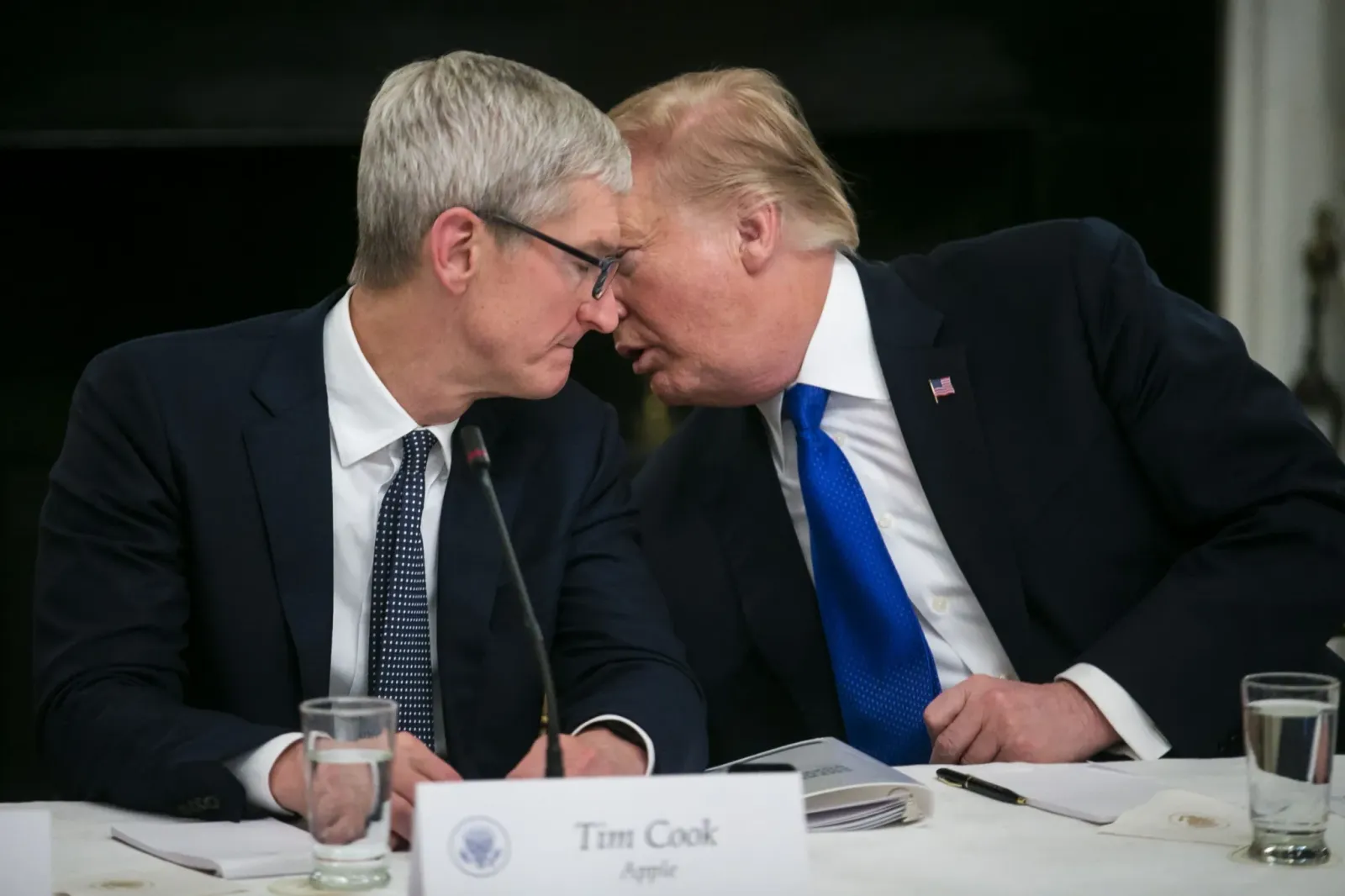
Tim Cook steps down as Apple CEO, stays on as chair with $45M equity
The 'Trump whisperer' keeps his White House and Beijing access as Apple navigates tariffs and a $4.6 trillion market cap.
Snowflake shares surge as AI data demand crushes estimates, lifting full-year forecast
Stocks jumped on stronger-than-expected guidance, signaling enterprise AI workloads are accelerating faster than Wall Street priced in.
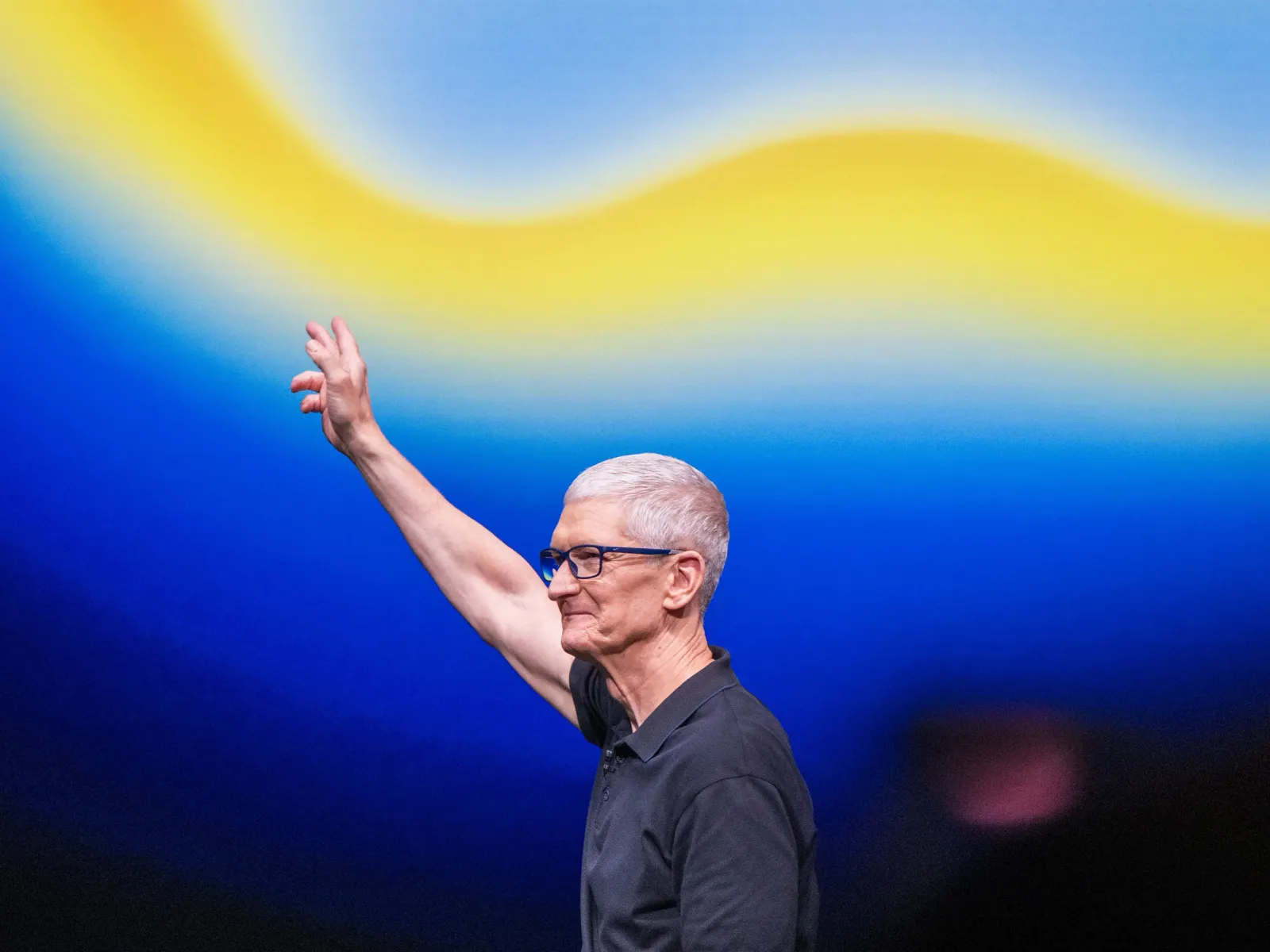
Tim Cook's 15-year Apple CEO run ends: 3 lessons for any successor
After 15 years, Tim Cook hands Apple to John Ternus - here's how he turned a $350B company into a $4.6T juggernaut.