
The $315M Opioid Settlement That Puts Every Pharmacy Chain on Notice
CVS's deal with the Justice Department over improperly filled prescriptions signals a new enforcement era for pharmacies that bill federal programs.
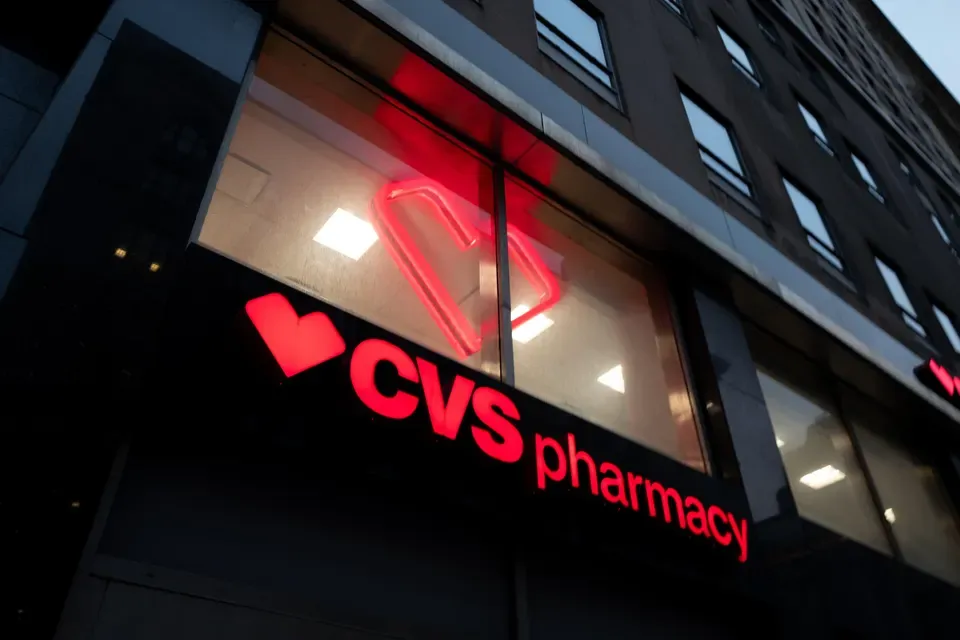
CVS agreed to pay $315 million to settle a Justice Department lawsuit alleging it improperly filled opioid prescriptions and billed federal health care programs. The settlement puts pharmacy chains on notice that federal prosecutors are now scrutinizing dispensing practices, not just manufacturers.
CVS has agreed to pay $315 million to resolve a federal lawsuit accusing the pharmacy giant of improperly filling opioid prescriptions and billing government health programs. The settlement, which stems from a Justice Department complaint filed in 2024, is the latest in a wave of opioid-related enforcement that has moved from drugmakers to the pharmacies that dispense the pills. For executives across the healthcare supply chain, the number is a stark benchmark: the government is now willing to extract nine-figure penalties from the last mile of the opioid distribution system.
The DOJ's lawsuit alleged that CVS filled prescriptions that lacked a legitimate medical purpose and then billed Medicare, Medicaid, and other federal programs for them. While CVS did not admit liability, the payment is a reminder that the government is chasing the distribution side of the opioid crisis, not just the manufacturers who faced billions in penalties earlier. The settlement also carries a structural warning: the False Claims Act, which allows the government to recover up to three times its damages, gives prosecutors enormous leverage when they can show a pharmacy knowingly billed for improper prescriptions.
For context, opioid litigation has already produced massive settlements from manufacturers like Purdue Pharma and distributors like McKesson, Cardinal Health, and AmerisourceBergen. Pharmacies have been a more recent target, but the logic is straightforward: every opioid pill that ends up in the wrong hands passes through a pharmacy counter, and every one of those prescriptions that gets billed to a federal program creates a paper trail. The CVS settlement is part of a broader pattern of federal enforcement against opioid distributors and dispensers, and it signals that the DOJ is treating pharmacies as accountable actors, not passive middlemen.
The $315 million figure is not just a penalty; it is a template for how the government will value improper billing in future cases. For Walgreens, Rite Aid, and independent pharmacies, the message is clear: the DOJ is willing to use the False Claims Act to recover money from any pharmacy that bills federal programs for questionable prescriptions. The settlement also creates a precedent for state attorneys general, who have already filed their own opioid lawsuits against pharmacy chains and may now point to the federal government's valuation as a baseline for damages.
For pharmacy executives, the settlement underscores the need to invest in compliance systems that can flag suspicious prescriptions before they are filled. The DOJ's complaint focused on the failure to screen for red flags, such as prescribers writing unusually large volumes of opioids or patients traveling long distances to fill prescriptions. That means the cost of doing business now includes a federal compliance premium: pharmacies must demonstrate they are actively policing their own dispensing practices, or risk paying for the government to do it for them.
The deal does not end CVS's legal exposure. The company still faces lawsuits from states and municipalities, and the DOJ could pursue additional claims if it finds more violations. For the industry, the settlement is a reminder that the opioid crisis is still generating legal risk, and that the financial toll is spreading beyond the manufacturers and distributors that dominated the early headlines. The next wave of enforcement will likely focus on the data trails that connect prescribers, pharmacies, and patients, and any pharmacy that cannot show a robust compliance program is a potential target.
For boards and chief financial officers, the CVS settlement is a case study in how quickly a compliance gap can become a balance-sheet event. The $315 million payment is large enough to move quarterly earnings, but the indirect costs may be larger: increased audit scrutiny from federal programs, higher insurance premiums, and reputational damage that lingers with investors and regulators. The strategic takeaway is that opioid-related risk is no longer confined to the companies that made or distributed the pills; it now extends to every pharmacy that accepts a federal dollar in exchange for a controlled substance.
Ultimately, the settlement is a signal that the federal government has shifted its enforcement lens from the supply chain to the point of sale. For pharmacy chains, the playbook is clear: tighten controlled-substance compliance, audit billing practices for red flags, and treat every suspicious prescription as a potential liability. The CVS deal is not an outlier; it is a preview of what happens when the government decides that a pharmacy's duty to question a prescription is as important as its duty to fill it.
This story's Key Insights and Take-aways are locked.
Create a free account to unlock Executive Actions for one credit.
Register to UnlockAlways free for Executives Club members. Join the Club
More in Business

Elon Musk unveils a flying car, and SpaceX helped build it
The Tesla CEO's showcase at a SpaceX facility signals a future where road and rocket engineering converge.

Apple's $2,000 iPhone Duo opens preorders, taking on Samsung and Google
Apple's first foldable hits the market at a premium price, reshaping a category Samsung and Google have led.

Pope Leo XIV, first American pope, diagnosed with lung cancer
The 71-year-old Chicago-born pontiff underwent successful surgery on his right lung, and his diagnosis raises new questions about his AI-focused papacy and the Vatican's future.