

The 7th Guest remake replays a 1990s ghost story, but console-ready isn’t problem-free
Vertigo Games ports a classic FMV horror twist to PC, PS5, Xbox, and Switch, balancing nostalgia with technical hiccups.
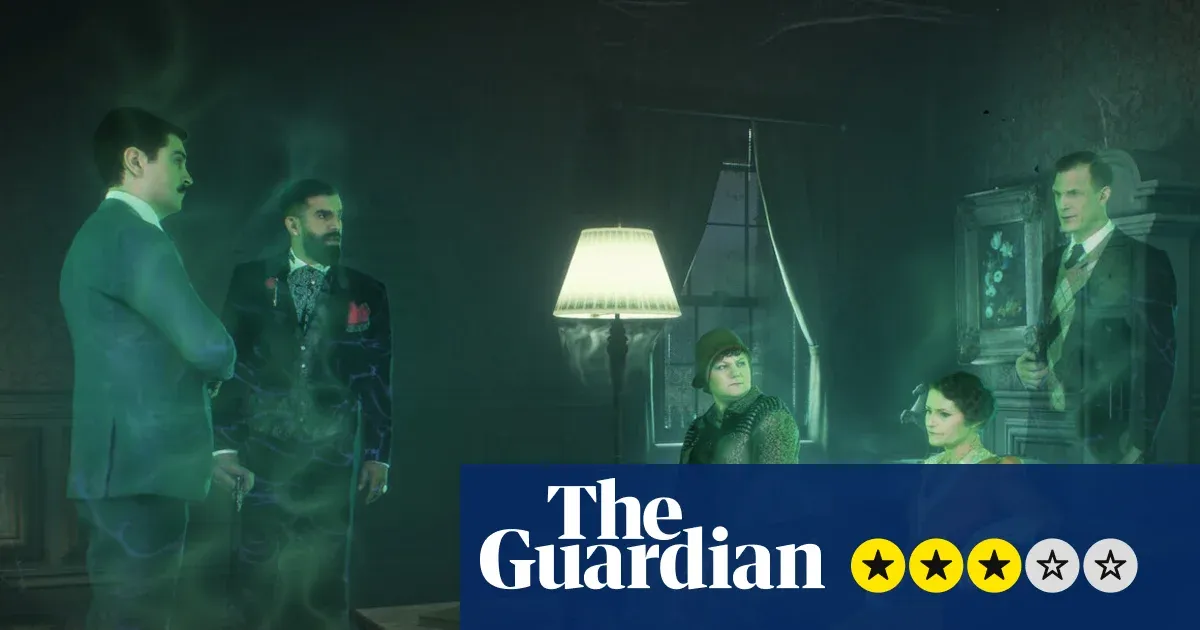
Vertigo Games has released a remake of The 7th Guest, now configured for PC and consoles after an earlier VR version. The update aims to clear the digital cobwebs while tweaking tricky puzzles, even as the review flags some technical issues.
If your nostalgia for 1990s horror runs on FMV, The 7th Guest remake is a direct hit. Vertigo Games brings the ghost story classic to PC, PlayStation 5, Xbox, and Nintendo Switch, reconfiguring the game to be playable outside its earlier VR format. The mission stays delightfully melodramatic: you play an amnesiac apparition arriving at the gloomy haunted home of a toy-maker, then use a time-bending lantern and a Ouija board-shaped map to solve a historical whodunnit by illuminating events from the past.
But here is the real tension decision-makers should care about: “console-ready” does not automatically mean “frictionless.” The remake is described as clever and as effectively evoking the overzealous CD-ROM horror vibe of its original era, yet the review also notes technical issues. That combination, a faithful mood plus measurable rough edges, is the trade that remasters increasingly have to navigate, especially when the target audience includes both players who want the old feeling and newcomers who need modern stability.
To understand why this matters commercially, zoom out to what the 1990s adventure game scene was doing. The decade is framed as a gold rush for adventure games, with LucasArts kicking off the decade via its legendarily irreverent Monkey Island series. Then Cyan Worlds arrives with Myst and Riven, delivering atmospheric, boundary-pushing experiences. The 7th Guest sits nestled between these landmark genre texts and is still “lesser-known” but “notorious,” mainly because of its unique FMV approach. It blended live-action filmed footage with pre-rendered 3D backgrounds, which was a big deal in an era where the medium itself felt like a special effect you could step into.
This remake leans into that DNA rather than flattening it into a modern template. The review explains that the digital cobwebs have been cleared, and tricky puzzles have been tinkered with for a fresh or nostalgic audience. In other words, the work is not just cosmetic. Puzzle-based adventure games live or die by the tension between clarity and challenge, and when you port or remake a structure like this, you typically have to reconcile old assumptions about input, timing, and user expectation with new platform realities. Even when the developer avoids breaking the core experience, puzzle “tinkering” is a signal that the game’s problem-solving loop has been revisited.
The narrative frame also helps explain why the remake can feel campy in the best way. You are not a stoic detective. You are an apparition with amnesia. You bring the lantern. You consult the map shaped like a Ouija board. You investigate a toy-maker’s haunted house. The result is described as a surprisingly campy adventure that still effectively evokes the original era’s CD-ROM horror overreach. That matters strategically because it gives the remake a clear positioning: it is not trying to out-scare modern horror, it is recreating a particular style of spooky performance, the kind that made FMV a signature.
Still, the technical issues are the part boards should underline. The review explicitly mentions “some of the technical issues,” which is a reminder that remakes have a different risk profile than brand-new games. You inherit a design with historical constraints and then run it through new pipelines. PC and multiple consoles mean more surface area for bugs, performance swings, and platform-specific control or rendering behavior. The stakes go beyond one review score. If technical friction interrupts puzzle flow or breaks immersion, it can undermine the very nostalgia the product is selling.
There is also a market signal here about how “reboots” are evolving. The game was remade originally for VR, then reconfigured for PC and consoles. That path suggests Vertigo Games is trying to broaden the addressable market without abandoning the remake effort. From a second-order perspective, this can influence how investors and publishers think about sunk cost and optionality. VR is a narrower install base. If a studio can take learnings from the VR remake and redeploy them to more common hardware, it potentially improves unit economics, but only if the technical issues are controlled.
For executives and operators watching this space, The 7th Guest remake is a case study in balancing three things at once. First, preserve the recognizable mechanics and mood. Second, modernize enough to make the game comfortable on new platforms. Third, treat technical quality as a core feature, not a background task. Because in a category where players remember the experience, not just the plot, the difference between “spirited reboot” and “frustrating port” can decide whether a remastered franchise earns new fans or only a nostalgic sigh.
This story's Key Insights and Take-aways are locked.
Create a free account to unlock Executive Actions for one credit.
Register to UnlockAlways free for Executives Club members. Join the Club
More in Entertainment

Russell Brand's accuser 'bewildered and confused' as he denies 7 sex charges
The criminal case against the comedian is a live test of how media companies manage talent risk when serious allegations go public.

'It's a Magic Trick': Ballet Experts Say Rosalía's SNL Pose Is Impossible
Three ballet experts tell Rolling Stone Rosalía's gravity-defying SNL stillness shouldn't be possible - and why the debate is now part of the show.

Activision CMO: GTA 6 Will Boost Call of Duty, Not Bury It
Activision's top marketer says Rockstar's blockbuster will drive players back to consoles and into Modern Warfare 4, even as the company admits its recent strategy failed.