

The Athletic: Russini's Vrabel Relationship Broke Its Ethics Code
The NYT-owned outlet says the former reporter's ties to the Patriots coach created an appearance of conflict, a ruling with implications for media and executive relationships.

The Athletic, owned by The New York Times Company, said former reporter Dianna Russini's relationship with Patriots coach Mike Vrabel violated its editorial standards by creating an appearance of a conflict of interest. The ruling underscores how perceived relationships, not just actual bias, can trigger ethics enforcement for media professionals and executives alike.
The Athletic, the sports media outlet owned by The New York Times Company, said that former reporter Dianna Russini's relationship with New England Patriots head coach Mike Vrabel violated its editorial standards. The outlet said the relationship gave the appearance of a conflict of interest, a ruling that has rippled through sports journalism and offers a stark reminder for executives in every industry: perceived bias can be as damaging as actual bias.
Russini, who covered the NFL for The Athletic, is no longer with the publication. Vrabel, a former linebacker who won three Super Bowls with the Patriots as a player, returned to the franchise as head coach in 2024. The Athletic did not detail the nature of the relationship, but its statement, as reported by The New York Times, said the connection created an appearance that could undermine the outlet's credibility. The decision to publicly flag the relationship, rather than quietly handle it internally, signals a zero-tolerance approach to even the hint of impropriety.
For media organizations, the case underscores the strict ethical boundaries that govern reporter-source relationships. Most newsrooms have policies that require reporters to avoid any personal or financial entanglements with the people they cover. The rationale is straightforward: readers must trust that coverage is impartial. Even if a reporter is fully objective, the appearance of a conflict can erode that trust. The Athletic's move suggests that it views the appearance standard as non-negotiable, a stance that aligns with broader industry trends toward transparency and accountability.
But the lesson extends far beyond journalism. Executives in finance, tech, and corporate leadership face similar scrutiny. A CEO who has a personal relationship with a major client, a regulator, or a competitor can trigger questions about whether decisions are made in the company's best interest or to protect that relationship. The appearance of a conflict, even if unfounded, can damage a company's reputation, invite regulatory inquiries, and undermine stakeholder confidence. In an era of heightened scrutiny, where every email and meeting can be subject to review, the line between personal and professional has never been more important.
The Russini-Vrabel case also highlights the importance of clear, enforceable conflict-of-interest policies. Companies that lack explicit language about appearance-based conflicts leave themselves vulnerable to inconsistent enforcement and legal challenges. The Athletic's decision to publicly state its finding, rather than let Russini depart quietly, suggests a commitment to setting a precedent. For other organizations, this is a call to review their own policies. Do they address not just actual conflicts, but also the perception of one? Are employees trained to recognize situations that could be misconstrued? The cost of a vague policy is often measured in reputational damage, not just legal liability.
For executives, the takeaway is proactive disclosure. If you have a personal relationship with someone who could influence or be influenced by your company's decisions, disclose it early and often. Transparency is the antidote to suspicion. The Athletic's ruling also raises the bar for how organizations handle such situations. By making the finding public, the outlet has signaled that it values integrity over individual careers. That is a bold stance, but one that may become the norm as stakeholders demand greater accountability.
The broader implication is that the appearance of a conflict is now a material risk factor. Boards and audit committees should treat it as such, incorporating it into risk assessments and governance frameworks. For media companies, the lesson is clear: the trust of the audience is the most valuable asset, and protecting it requires vigilance. For executives in any field, the message is equally direct: your personal relationships are part of your professional profile, and they will be scrutinized. The best defense is a policy that leaves no room for ambiguity and a culture that encourages disclosure over concealment.
In the end, the Russini-Vrabel case is not just about one reporter and one coach. It is about the standards we hold ourselves to, and the consequences of failing to meet them. The Athletic's decision may have cost it a talented journalist, but it has reinforced a principle that matters more: credibility is non-negotiable. For anyone in a position of influence, that is a lesson worth heeding.
This story's Key Insights and Take-aways are locked.
Create a free account to unlock Executive Actions for one credit.
Register to UnlockAlways free for Executives Club members. Join the Club
More in Business

Tim Cook steps down as Apple CEO, stays on as chair with $45M equity
The 'Trump whisperer' keeps his White House and Beijing access as Apple navigates tariffs and a $4.6 trillion market cap.

Snowflake shares surge as AI data demand crushes estimates, lifting full-year forecast
Stocks jumped on stronger-than-expected guidance, signaling enterprise AI workloads are accelerating faster than Wall Street priced in.
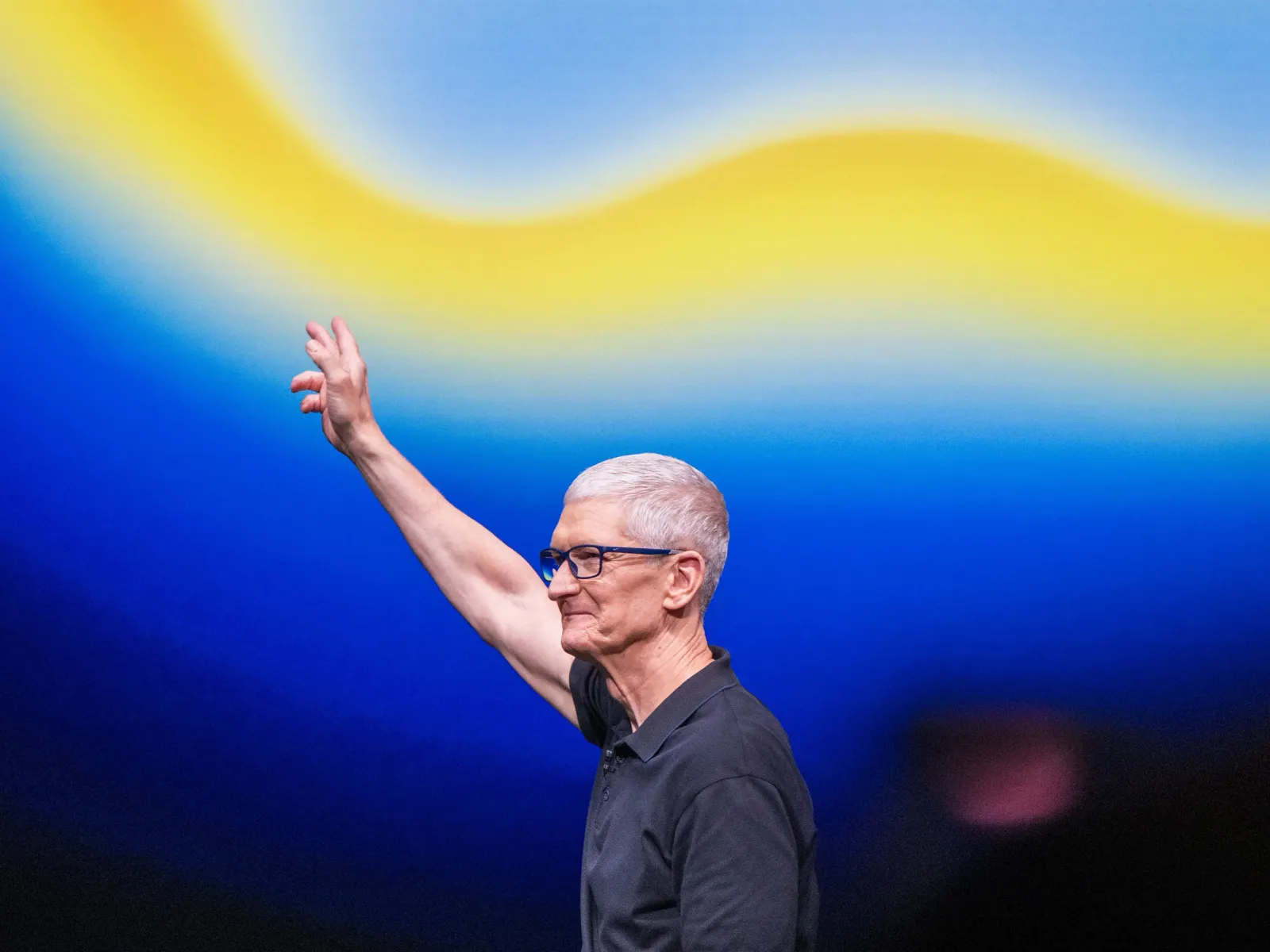
Tim Cook's 15-year Apple CEO run ends: 3 lessons for any successor
After 15 years, Tim Cook hands Apple to John Ternus - here's how he turned a $350B company into a $4.6T juggernaut.