
The Crown Estate profits £1.2bn again, driven by offshore wind and paid for via energy bills
King Charles' property management firm posts £1.2bn profit for the third straight year, with two-thirds tied to offshore wind.
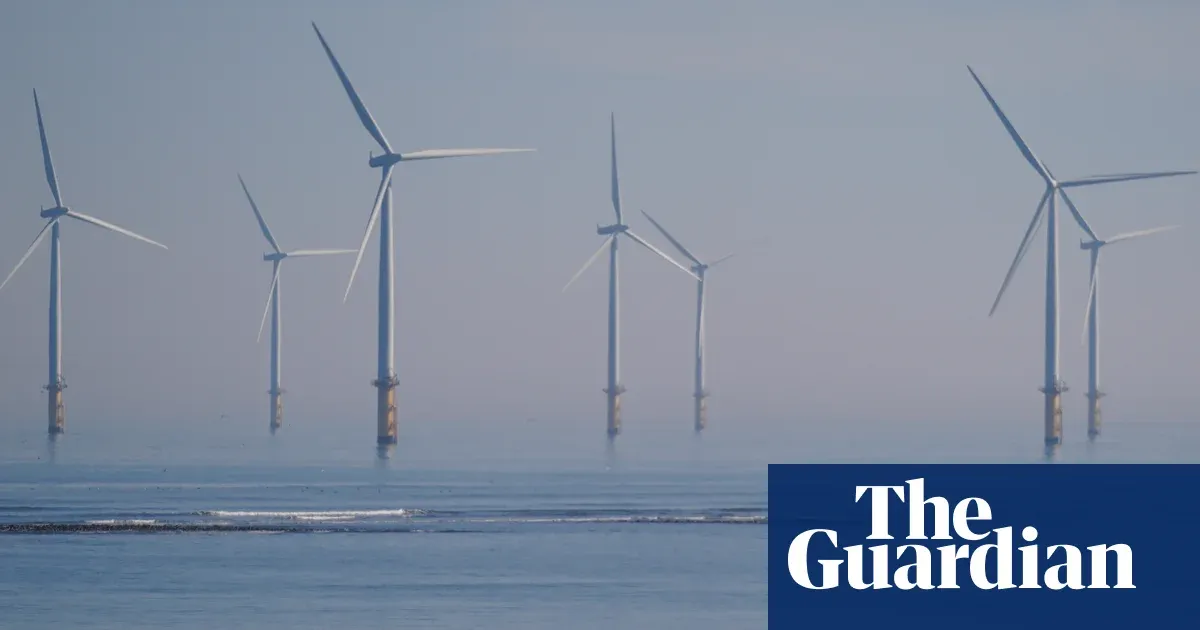
King Charles' property management firm, the Crown Estate, reported £1.2bn in profit for the last financial year. The surplus, boosted by the offshore wind boom and funded through energy bills, reshapes expectations for the capital, policy, and energy pipeline decision-makers watch.
The Crown Estate, the royals' portfolio of land and property managed on behalf of the Crown, reported £1.2bn in profit for the last financial year. That is the third consecutive year it has cleared more than £1bn, and it is almost three times what it made three years ago.
The key driver is blunt: offshore wind. Two-thirds of the Crown Estate's profit came from the offshore wind industry, a business built on leases and long-term infrastructure that ultimately gets paid for through energy bills. In other words, a boom in wind farms offshore is turning into cashflow onshore for the land and property owner, and that cash keeps stacking year after year.
To understand why this is more than a royal curiosity, zoom out to how offshore wind finance works. Offshore wind projects typically rely on long-duration contracts, structured funding, and predictable demand signals. If you are an investor, a lender, or a board overseeing asset-backed capital, you care less about the headline electricity trend and more about the reliability of the revenue mechanics. The Crown Estate's results show a real-world linkage between policy-supported buildout and balance-sheet outcomes for one of the landholders in the ecosystem.
The source also makes an important historical point: the Crown Estate’s profit is “almost three times” what it made three years ago. When a business grows that fast for multiple years in a row, it usually means the underlying volume is not just temporarily higher. In this case, the source ties the increase to the offshore windfarm boom, implying that the asset and lease pipeline has remained active and profitable rather than stalling out after early gains.
There is also a regulatory and incentive angle hiding inside the phrase “paid for through energy bills.” Energy bills are where the public pays for many of the market-shaping programs that keep the transition funded. That means the offshore wind expansion, while technically deployed offshore, is anchored by onshore policy design and consumer-facing billing mechanisms. For executives tracking the energy transition, it is a reminder that the economics of new capacity are rarely purely market-driven. They are often mediated through regulated or policy-influenced channels, and those channels can create steady demand for land, grid interconnections, and the financial counterparties that enable construction.
For boards and finance leaders, the second-order implication is simple: when revenue concentrates in a single industry tailwind, governance and scenario planning matter more than usual. Two-thirds of profit from offshore wind means a substantial portion of the Crown Estate’s performance is exposed to the health of that sector. Offshore wind is capital intensive, and it is sensitive to permitting, supply chain constraints, interest rates, and policy continuity. Even if the Crown Estate is profiting now, executives elsewhere can read the result as a signal of where the risk may eventually surface if the pipeline slows.
It is also worth noting the scale. The Crown Estate reported £1.2bn in profit, continuing a run of years when it made more than £1bn each year. That kind of recurring profitability attracts attention not just from markets, but from policymakers and stakeholders who want to understand whether the underlying system is sustainable and whether the distribution of value aligns with public goals. When a public-facing landlord entity benefits heavily from consumer-funded infrastructure buildout, questions follow about how future leases, revenues, and reinvestment should be structured.
Finally, there is a strategic stakes lesson for peers in energy, infrastructure, and real asset finance. The offshore wind boom is creating measurable, repeatable profits for the Crown Estate through its land and property portfolio. If you are leading an energy transition initiative, a real asset fund, or a regulated infrastructure program, this is a live case study in how policy-backed construction can translate into balance-sheet strength. The cashflow is real, it is already repeating, and it is tied to a specific sector. The winners are not only the turbine makers or construction firms. They also include the owners and managers positioned at the center of where the projects anchor.
This story's Key Insights and Take-aways are locked.
Create a free account to unlock Executive Actions for one credit.
Register to UnlockAlways free for Executives Club members. Join the Club
More in Business

Bungie cuts most Destiny 2 staff as Sony says Marathon still matters
Herman Hulst confirms layoffs affecting most Destiny and some Marathon teams after Bungie admits Destiny fell short.

SK Hynix jumps 11% after seeking up to $29.4B in Nasdaq listing
The chip giant filed for a Nasdaq listing plan that could raise $29.4 billion, instantly reshaping investor expectations.

Micron revenue hits nearly $42B as AI memory lifts gross margins above 81%
Fiscal Q3 results crush estimates, prove AI memory is rewriting Micron's margins, and change the momentum math for the whole chip stack.