
The Greatest showrunner says Muhammad Ali drama will reveal what documentaries missed
The first authorized scripted series on Ali aims to show the moments “wasn't in documentaries,” with real stakes for how audiences consume history.
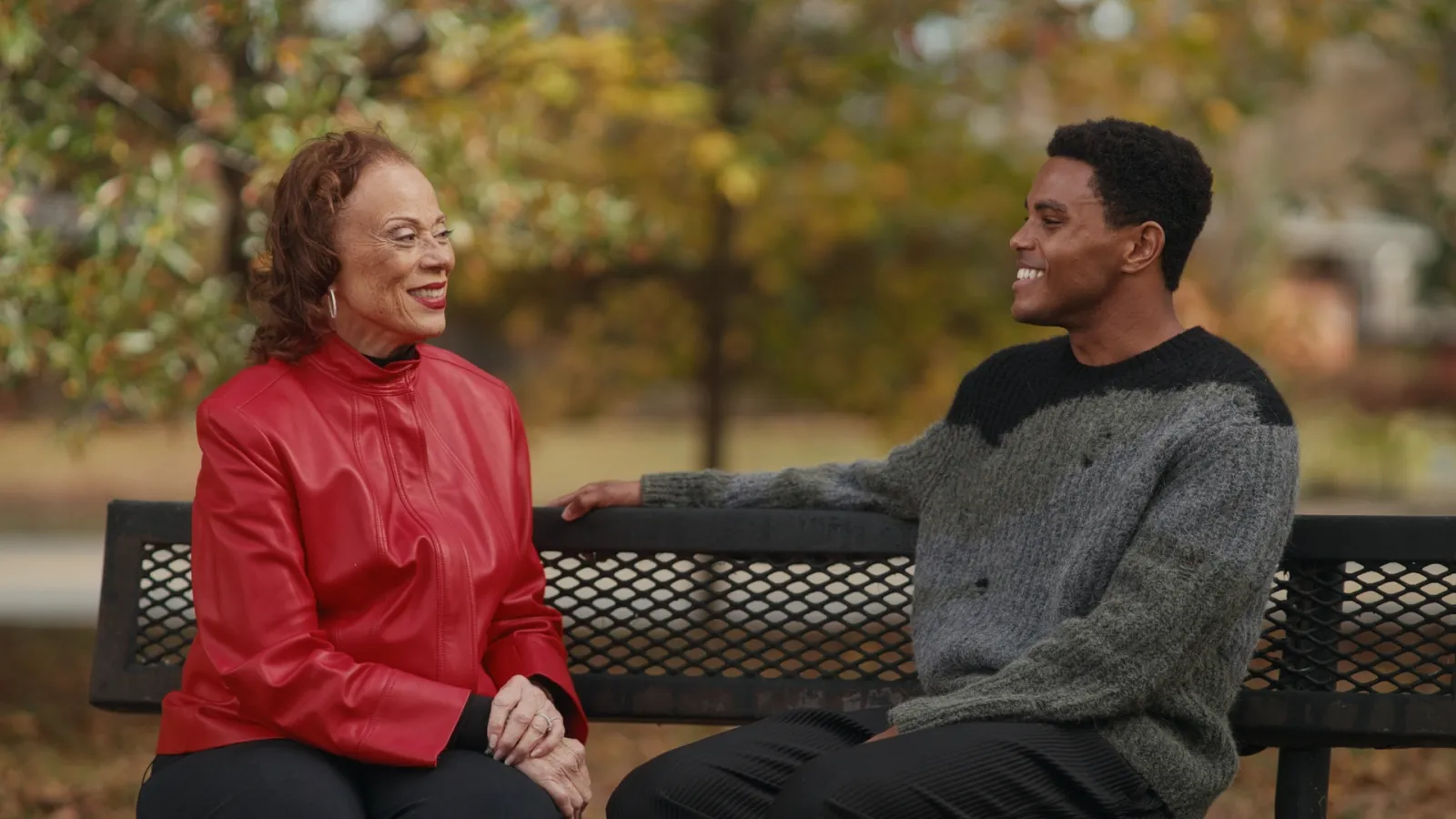
Deadline reports The Greatest’s show team is rolling out its approach for the first authorized scripted series about Muhammad Ali’s life. The showrunner promises the series will cover what viewers cannot find in documentaries or old fight footage.
The Greatest is setting expectations early, and the promise is unusually specific: the show is designed to show what “wasn't in documentaries” and what audiences can’t access just by watching old fights.
Deadline reports the team behind The Greatest is starting to reveal how it plans to “pack a punch” with the series, described as the first authorized scripted show about the life of Muhammad Ali. In other words, this is not positioned as a highlight reel of rounds. It’s positioned as a guided tour through gaps that even devoted fans often feel are missing.
That framing matters because it tells you what kind of product this is. Old fights are the archive, documentaries are the curated narrative, and both come with limits. Fight footage mostly captures outcomes and physical execution; documentaries can fill in context, but they are still built around what is known, what is on record, and what can be dramatized without violating the boundaries of history. “The stuff that wasn't in documentaries” is a direct admission that the creative team believes something essential exists outside the existing public storyline. And when you’re working on an “authorized” series, that claim is also a signal about permissions, access, and the legal runway needed to dramatize more than the usual sanctioned talking heads.
From a business perspective, the show is also betting on a very modern viewing habit: people want narrative, not just information. The same audience that binge-watches character-driven series is also consuming sports history, biography content, and documentary-style programming. The Greatest is trying to win both audiences by blending a life story with enough drama to keep it from feeling like an encyclopedia.
There’s a second-order implication for decision-makers in media and entertainment: when a project emphasizes “authorized,” it often means the creators have negotiated the right to present a particular account, which can reduce certain categories of legal risk while increasing the expectations from the rights holders and stakeholders who granted that authorization. That can shape the board-level conversation around governance. Executives have to ask not just “will it be good?” but “will it stay inside the boundaries of what authorization allows, especially when the creative pitch is explicitly about uncovering what wasn’t in documentaries?” In practice, that often means the creative team must have a clear line between dramatizing private or lesser-known material versus inventing things that cannot be supported.
The Deadline reporting highlights the team’s intent to show what is not already available through two obvious channels: documentaries and watching old fights. That sets up an internal incentive structure that is common in prestige storytelling. If the audience can easily source the same feeling from existing content, then the new series has to justify itself with deeper characterization, a more complete arc, and moments that fill the emotional or historical blanks. In other words, the show is on the hook for delivery. A pitch like this creates a credibility trap. If viewers feel like they are being retold the same story with different formatting, the authorization advantage will not be enough.
For executives evaluating similar projects, the strategic lesson is that “what’s missing” is not just creative language, it is a positioning engine. It turns a crowded market of sports biographies into a product with a defined differentiation. It also raises the bar for marketing and for editorial discipline. If the campaign promises gaps are real, the creative team cannot treat those gaps as optional. The series must turn absence into narrative fuel, and it must do it in a way that aligns with rights, permissions, and factual constraints.
The Greatest’s approach also lands in a broader conversation about how audiences process cultural history. When people say documentaries did not show something, they are often pointing to a mismatch between what “documents” capture and what they think matters, whether that is the personal cost, the decision-making, the tensions, or the unseen consequences. A scripted, authorized series claiming it will reveal those elements is effectively asking viewers to accept a more intimate version of history. That can be compelling, but it also changes the conversation from “what happened?” to “how did it feel and what drove it?” For boards, investors, and studio leadership, that shift means performance is not only about ratings. It is about trust, and trust is the currency that keeps long-tail audiences coming back.
So the stake is simple. The Greatest is being built to be the place where the missing pieces are finally shown. The show team’s message, as Deadline reports it, is that it will go beyond the accessible record of documentaries and old fights. If it pulls that off, it doesn’t just earn attention. It sets the benchmark for how authorized sports history can be told in the scripted era, and for other teams, it will define what audiences demand when you promise “all the stuff that wasn't” already out there.
This story's Key Insights and Take-aways are locked.
Create a free account to unlock Executive Actions for one credit.
Register to UnlockAlways free for Executives Club members. Join the Club
More in Entertainment

Russell Brand's accuser 'bewildered and confused' as he denies 7 sex charges
The criminal case against the comedian is a live test of how media companies manage talent risk when serious allegations go public.

'It's a Magic Trick': Ballet Experts Say Rosalía's SNL Pose Is Impossible
Three ballet experts tell Rolling Stone Rosalía's gravity-defying SNL stillness shouldn't be possible - and why the debate is now part of the show.

Activision CMO: GTA 6 Will Boost Call of Duty, Not Bury It
Activision's top marketer says Rockstar's blockbuster will drive players back to consoles and into Modern Warfare 4, even as the company admits its recent strategy failed.