
The Odyssey debate is still stuck on Nolan, not Homer
Why Christopher Nolan’s blockbuster adaptation keeps classicists and casual viewers arguing, even after the awards.
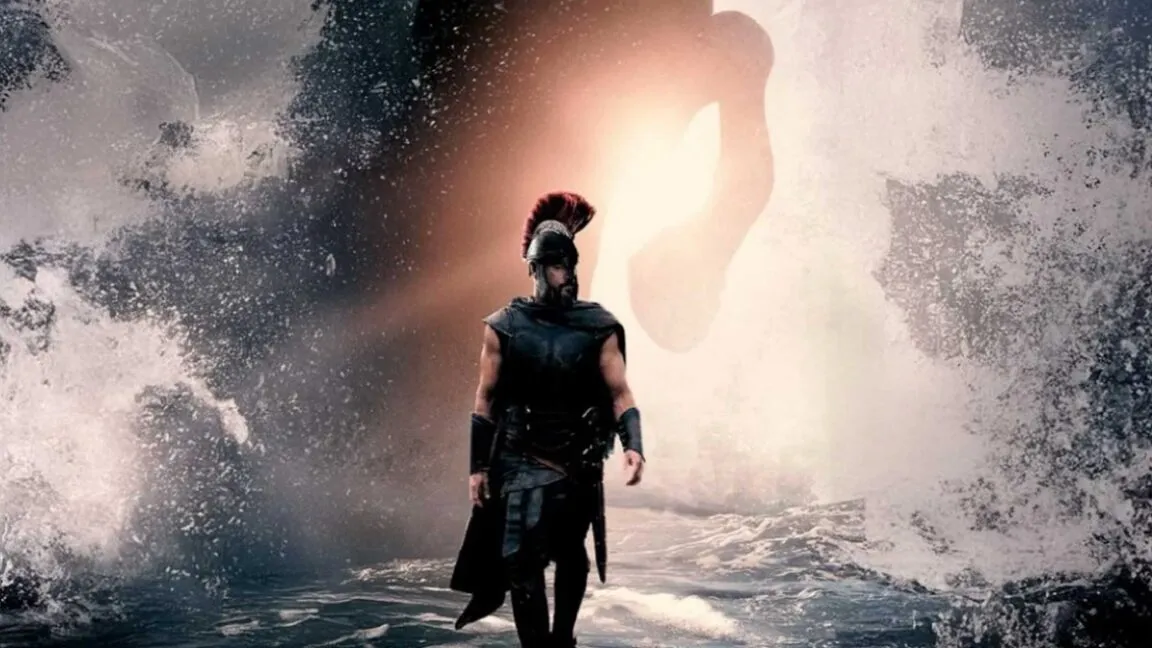
Christopher Nolan’s The Odyssey keeps sparking controversy long after release, despite recognition and earnings. The ongoing argument matters for decision-makers watching how prestige IP gets remixed without satisfying everyone at once.
Christopher Nolan’s The Odyssey has been a lightning rod for controversy ever since the first casting and design reveals. Ars Technica notes that the chatter ignited again with each new trailer, and that the movie somehow still can not escape the fight between classicists and the general public. And the wild part is the subject matter: the source text, Homer’s epic poem, is dated to roughly the 8th century BCE. This is not a niche paperback getting “interpreted.” It is the kind of literary foundation that comes with inherited expectations, cultural pride, and very specific ideas about what “faithful adaptation” should look like.
After release, the film racked up plenty of well-deserved accolades and earnings. Yet, even with that visible proof of audience pull and industry validation, the debates rage on. In other words, the market signal did not end the conversation. If you are responsible for shipping creative work that inherits centuries of meaning, The Odyssey is a case study in a very modern problem: scale, spectacle, and awards do not automatically convert skeptics into fans, especially when the adaptation changes tone and approach.
So what does the movie do that keeps landing differently depending on the viewer? The Ars Technica review frames Nolan’s version as an impressionistic remix that finds “the man behind the myth.” That is the key creative choice: instead of treating Odysseus like a statue, the film leans into a more intimate, character-driven feeling. The reviewer says the IMAX scale might be epic, but Nolan still gives the story an intimate feel, weaving a captivating, nearly three-hour cinematic spell. That combination is exactly why you get split reactions. Epic visuals can make a film feel grand and operatic, while intimacy can make it feel like a re-centering of motivations and personality. Classicists may want the poem to dominate in cadence and structure. Many general viewers may be happy if the emotion lands.
The review also describes what happens after the theater lights go up. The “magic” slowly starts to dissipate once you leave, even though the powerful imagery will resonate for days. That is a subtle but important signal about durability. For executives and board members overseeing big productions, durability is part of the business model even if it is not the only driver of box office. A movie can be immediately cinematic and still have debate stick around longer than the initial release cycle. The conversation becomes part of the lifecycle. People return to clips, images, and interpretations, not just to “what did the audience score,” but to “what did this version mean.”
This is where the market context matters. The review emphasizes that the film has gotten well-deserved accolades and earnings since its release, which implies strong commercial and critical performance. Yet controversy is still a live wire. That tension points to a broader second-order effect: when you adapt canonical material, you may satisfy the mainstream enough to win money and awards, but you can still trigger persistent disagreement that looks cultural and academic, not purely commercial.
If you are an operator deciding how to approach high-profile IP, The Odyssey suggests you should separate outcomes into at least two buckets. One bucket is immediate proof: earnings and accolades. The other bucket is legitimacy: whether different communities feel seen, whether the adaptation’s choices match expectations, and whether those choices can hold up under close reading and online debate. Nolan’s film seems to do the first bucket strongly while leaving the second bucket contested. That does not mean the adaptation “failed.” It means the value proposition is not uniform across audiences.
There is also a strategic implication for future projects and partnerships. When a movie like this keeps being argued about after release, it becomes a recurring reference point for future discussions about adaptation philosophy, production design, and casting choices. The reviewer flags that the controversy was triggered by the first casting and design reveals and then re-ignited with each trailer. That means early-stage decisions and pre-release marketing beats are not just promotional steps. They can act like policy statements to communities that want to “audit” what the filmmakers are doing.
For decision-makers in entertainment, tech-enabled media, and any business that turns creative decisions into measurable outcomes, the lesson is simple but uncomfortable: validation does not automatically settle the debate. You can deliver spectacle at IMAX scale, craft an intimate near-three-hour spell, and still find that viewers argue over meaning long after the box office curve flattens. The strategic stakes for peers are clear. If you are adapting foundational IP, you are not only buying audience attention. You are managing multiple definition-of-success conversations at once, and those conversations can outlast the release itself.
This story's Key Insights and Take-aways are locked.
Create a free account to unlock Executive Actions for one credit.
Register to UnlockAlways free for Executives Club members. Join the Club
More in Entertainment

'It's a Magic Trick': Ballet Experts Say Rosalía's SNL Pose Is Impossible
Three ballet experts tell Rolling Stone Rosalía's gravity-defying SNL stillness shouldn't be possible - and why the debate is now part of the show.

Activision CMO: GTA 6 Will Boost Call of Duty, Not Bury It
Activision's top marketer says Rockstar's blockbuster will drive players back to consoles and into Modern Warfare 4, even as the company admits its recent strategy failed.
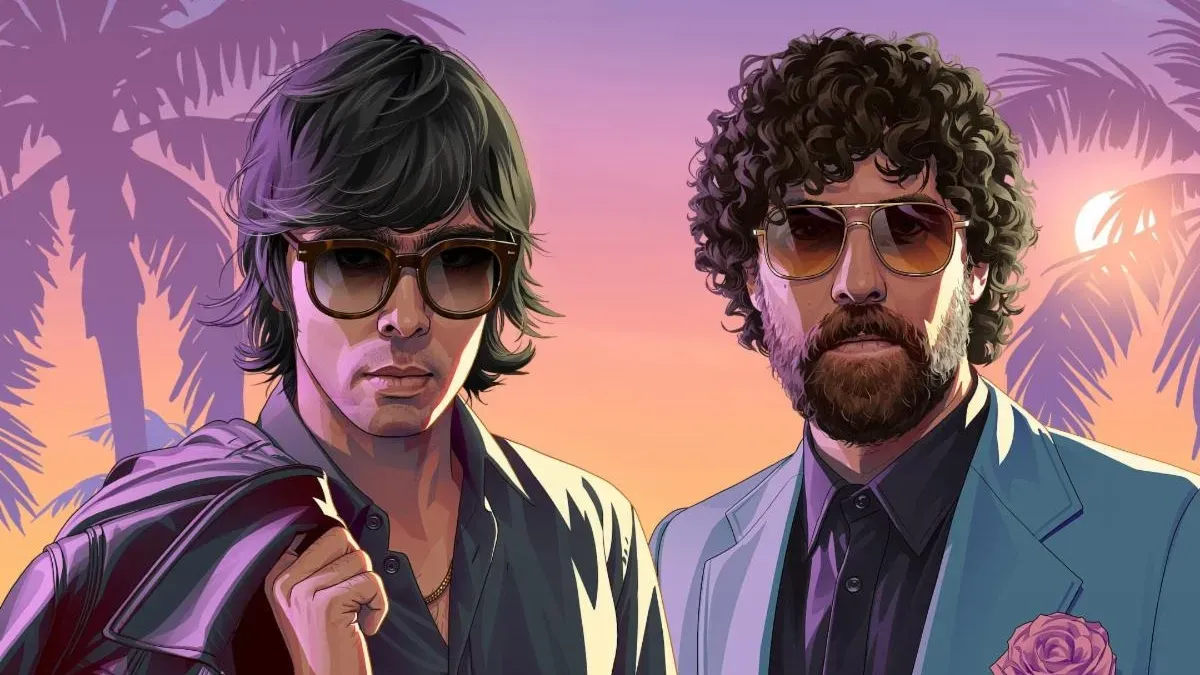
Justice to Score GTA 6, Share New Song with Tame Impala, SZA, King Gizzard
Rockstar taps the French duo for the GTA VI score, and the first taste is a genre-melting collab with Tame Impala, SZA, and King Gizzard & The Lizard Wizard.