
The Odyssey turns Nolan’s discourse war into box-office dominance, outgrowing Oppenheimer
Why the movie’s “monoculture” backlash matters less than its crowd math: older audiences, near-50/50 gender, real receipts.
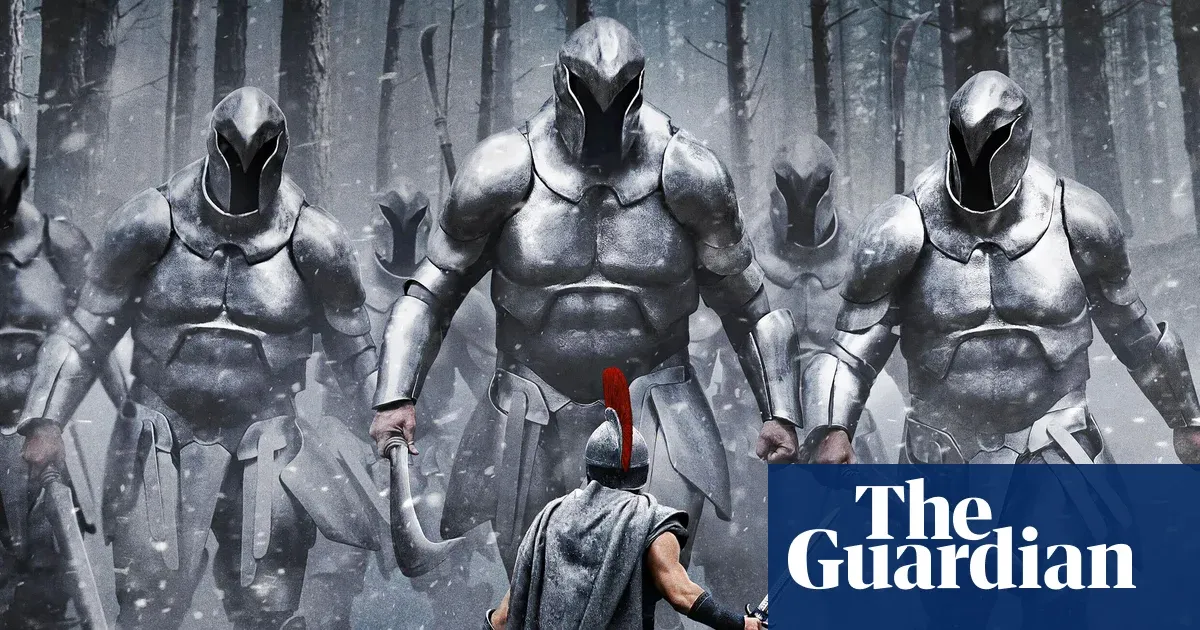
Christopher Nolan’s The Odyssey has become a real cultural flashpoint, drawing excitement and anger from rightwingers to academics and enough box-office momentum to outgross Oppenheimer. For decision-makers, the takeaway is that discourse volume is not the driver, reach is, and this release is widening the funnel beyond the usual action audience.
Christopher Nolan’s The Odyssey has managed a rare double: it’s been a summer internet battleground and a legitimate box office performer at the same time. The Guardian points to “major receipts” beyond the comment-section chaos, saying the movie has already outgrossed Oppenheimer, Nolan’s last movie. That comparison matters because Oppenheimer was itself “a shockingly popular movie for adults,” meaning The Odyssey is not just winning against a typical blockbuster, it is building on an adult-friendly ceiling that many studios assume is harder to crack.
The other statistic the piece highlights is even more revealing for anyone thinking about audience strategy. While The Odyssey’s audience skewed male in its first weekend, by its second weekend the gender split was closer to 50/50. It is also drawing older moviegoers, with “three-quarters of The Odyssey’s audience” over 25. In other words, this isn’t only an action franchise being carried by a stereotype; it is broadening quickly, and it is doing it in a summer where younger audiences have driven success for Obsession and Backrooms.
That leads to the central tension in the story: the discourse around The Odyssey has been loud enough to make people forget a simple truth. Normally, the volume of online talk about a movie should not be mistaken for evidence that people are actually seeing it. The Guardian explicitly warns about the common failure mode, where online factions develop bored fixations that never escape their bubble. But here, the piece argues that the discourse is getting something out of its own friction: when a high-profile academic reviews a film for the London Review of Books, and then other writers respond in disagreement or favor, the movie can become a cultural phenomenon rather than just a viral theme.
And yes, the cultural phenomenon part is real enough to attract competing interpretations, from rightwingers to academics, but the market still wins on distribution and viewing behavior. The Guardian frames the moment with the kind of cultural signaling studios worry about internally: is “controversy” a threat to revenue, or does it function like free awareness? In this instance, the article also nods at a wider media lesson with its mention of “Go woke, get rich,” specifically pointing to arguments that rightwing hate campaigns do not necessarily affect box office outcomes. For executives, the second-order implication is that brand and political framing may not be the lever people think it is, at least not when the product is delivering enough to hold audiences after opening weekend.
The piece also makes the reach argument with a detail that reads small but is strategically useful: memes. It says memes inspired by The Odyssey, including Matt Damon’s anguished face portraying Odysseus listening to the sirens’ song and Robert Pattinson’s slimy suitor demanding that “someone get these BEGGARS out of here!”, have indicated younger people are paying attention too. That matters because studios often plan for teenage and early-20s attention through social channels, but then panic about whether that attention will convert into ticket sales and not just scrolling. Here, the data points the other direction: older audiences dominate the current share, but younger viewers are still participating in the cultural conversation, suggesting the film can behave like a “shared event” rather than a single-demographic niche.
There is also a timing lesson embedded in the comparisons the article chooses. It contrasts The Odyssey’s older-skewing, later-weekend broadening with a summer where under-25s have driven Obsession and Backrooms. If you are an executive balancing release windows, marketing spend, and audience-building tactics, that comparison is a reminder that audience age is not static. It can shift after the first weekend, and the shift can be the difference between a hit and a fade.
Finally, the piece’s “monoculture” framing is a useful boardroom metaphor, even if the specific phrasing comes from its discourse description. The Guardian signals that The Odyssey is exciting and enrageing across ideological lines, and that kind of split reaction usually makes execs nervous. But the article’s logic is that the market outcome is not only about approval, it is about attendance. When a film can outgross a previous major adult-oriented release, move its gender mix toward 50/50 by the second weekend, and pull three-quarters of its audience into over-25 territory, it is offering a playbook that is less about taking the internet temperature and more about landing with a broad cohort.
For peers trying to predict what comes next, the strategic stake is straightforward: if discourse is dominating your dashboard but your audience metrics are moving, you should focus on the metrics that predict revenue, not just the arguments predicting engagement. The Odyssey suggests that a contentious cultural moment can coexist with, and even amplify, real theatrical demand. The risk is not “people will get mad.” The risk is missing the part where the numbers say the movie is expanding its crowd anyway.
This story's Key Insights and Take-aways are locked.
Create a free account to unlock Executive Actions for one credit.
Register to UnlockAlways free for Executives Club members. Join the Club
More in Entertainment

'It's a Magic Trick': Ballet Experts Say Rosalía's SNL Pose Is Impossible
Three ballet experts tell Rolling Stone Rosalía's gravity-defying SNL stillness shouldn't be possible - and why the debate is now part of the show.

Activision CMO: GTA 6 Will Boost Call of Duty, Not Bury It
Activision's top marketer says Rockstar's blockbuster will drive players back to consoles and into Modern Warfare 4, even as the company admits its recent strategy failed.
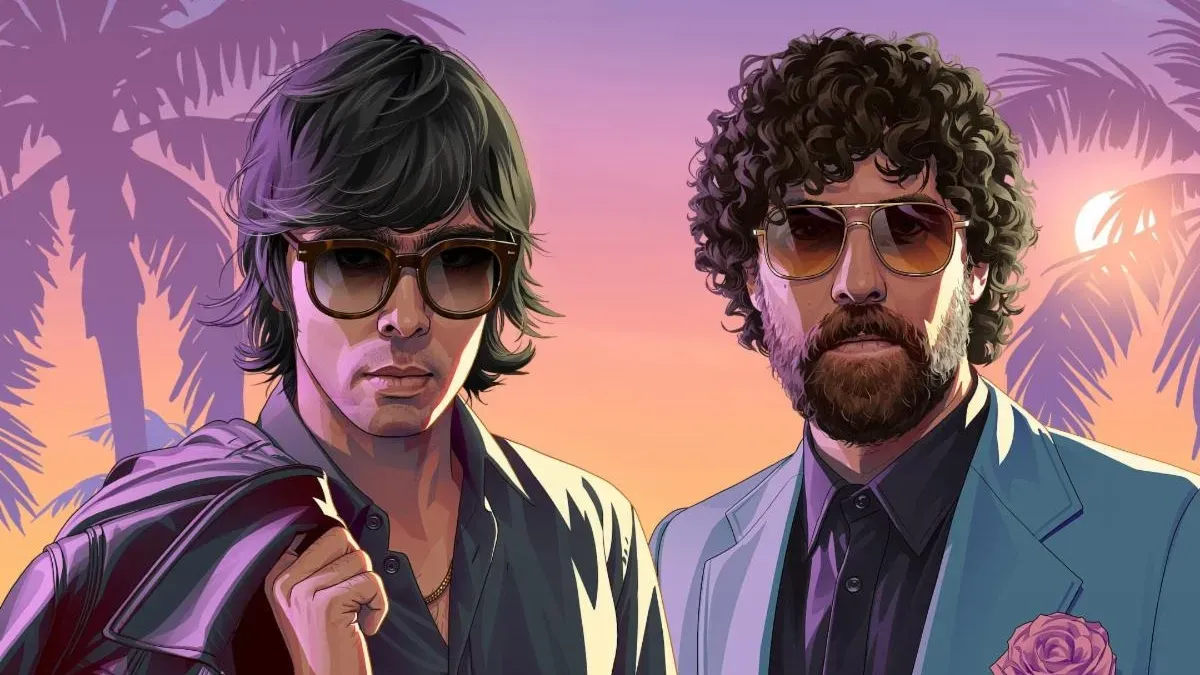
Justice to Score GTA 6, Share New Song with Tame Impala, SZA, King Gizzard
Rockstar taps the French duo for the GTA VI score, and the first taste is a genre-melting collab with Tame Impala, SZA, and King Gizzard & The Lizard Wizard.