
The unlikely new rescuer of China's banks: the tobacco monopoly
China National Tobacco Corp. is deploying its massive cash reserves to stabilize struggling lenders, signaling deeper stress in the financial system.
China National Tobacco Corp., the state-owned monopoly, is using its financial strength to shore up banks, according to Nikkei Asia. This move highlights the government's reliance on state enterprises to stabilize the financial sector and signals potential risks for investors.
China's tobacco monopoly, the state-owned China National Tobacco Corp. (CNTC), is deploying its financial muscle to shore up the nation's banks, according to a Nikkei Asia report. The move underscores how Beijing is leaning on its most profitable state enterprises to stabilize a financial system under pressure. For decades, CNTC has been the world's largest tobacco producer, controlling the entire supply chain from leaf to cigarette, and generating tens of billions of dollars in annual revenue from the world's biggest smoking population. Now, that cash is being redirected into the banking sector, a role that marks a significant expansion of the monopoly's mandate.
The report does not specify the exact amounts injected or the names of the banks involved, but the pattern is unmistakable: the government is using its cash-rich monopolies as a backstop for lenders struggling with bad debts and shrinking margins. This is not a one-off move. Historically, Beijing has called on state-owned enterprises to recapitalize banks during periods of stress, often through equity injections or asset purchases. The tobacco monopoly, with its steady cash flows, minimal debt, and lack of shareholder pressure, is an ideal candidate for such a role. Its balance sheet is effectively an extension of the state's own fiscal capacity, allowing the government to provide support without directly tapping budget reserves.
The timing is telling. China's banking sector is grappling with a property market downturn, slowing economic growth, and rising non-performing loans, particularly among smaller regional lenders. The central government has already used policy banks and local government financing vehicles to channel liquidity, but the involvement of CNTC suggests that conventional tools may be insufficient. By leveraging the tobacco monopoly's earnings, authorities can inject capital discreetly, avoiding the political optics of a formal bailout while still stabilizing the system. This approach also preserves the central bank's ammunition for more systemic risks.
For investors, this development is a double-edged sword. On one hand, it signals that authorities are willing to act decisively to prevent a banking crisis, which could support market confidence and reduce tail risks. On the other hand, it highlights the severity of the underlying stress. If the government is forced to use a cigarette monopoly as a lender of last resort, it implies that the banking sector's problems are deeper than publicly acknowledged. The move also raises questions about the true health of China's financial institutions, which have long been criticized for opaque balance sheets and heavy reliance on state support.
The tobacco monopoly's new role also carries reputational and operational implications. CNTC's core mission is to maximize revenue for the state through tobacco sales, a business that is increasingly under global scrutiny due to health concerns. Diversifying into bank rescues could blur its focus and expose it to financial risks that are far removed from its expertise. However, given its massive profitability, the impact on its core operations is likely manageable. The real concern is precedent: if CNTC can be called upon to shore up banks, other state-owned giants with strong cash positions may face similar demands, potentially distorting their commercial priorities.
For executives and boards in other industries, this serves as a reminder of the unique dynamics of China's state-led economy. Companies with significant cash reserves or strategic importance may be asked to support national priorities, even if it means taking on risks outside their core operations. This is not a hypothetical scenario; it is a live reality for state-owned enterprises. Understanding these expectations is crucial for strategic planning, capital allocation, and risk management. Foreign investors, in particular, need to factor in the possibility that their portfolio companies could be redirected toward policy objectives, affecting returns and governance.
In the long run, CNTC's involvement in bank rescues could set a precedent for how Beijing manages financial stability. As China navigates economic headwinds, the line between commercial and policy objectives is likely to blur further. The tobacco monopoly, once a symbol of state control over a vice industry, is now a tool for financial engineering. This shift underscores the government's willingness to use every available resource to maintain stability, but it also raises questions about the sustainability of such measures. If the banking sector's problems persist, the state may need to find even more creative solutions, potentially reshaping the relationship between state enterprises and the financial system.
For now, the immediate takeaway is clear: China's tobacco monopoly is no longer just a cigarette seller. It is a financial stabilizer, a quiet backstop for a banking system under strain. The move may buy time, but it does not address the root causes of the sector's fragility. Investors and executives should watch closely for further signs of stress, as the use of such an unconventional tool suggests that the conventional playbook is already exhausted.
This story's Key Insights and Take-aways are locked.
Create a free account to unlock Executive Actions for one credit.
Register to UnlockAlways free for Executives Club members. Join the Club
More in Business
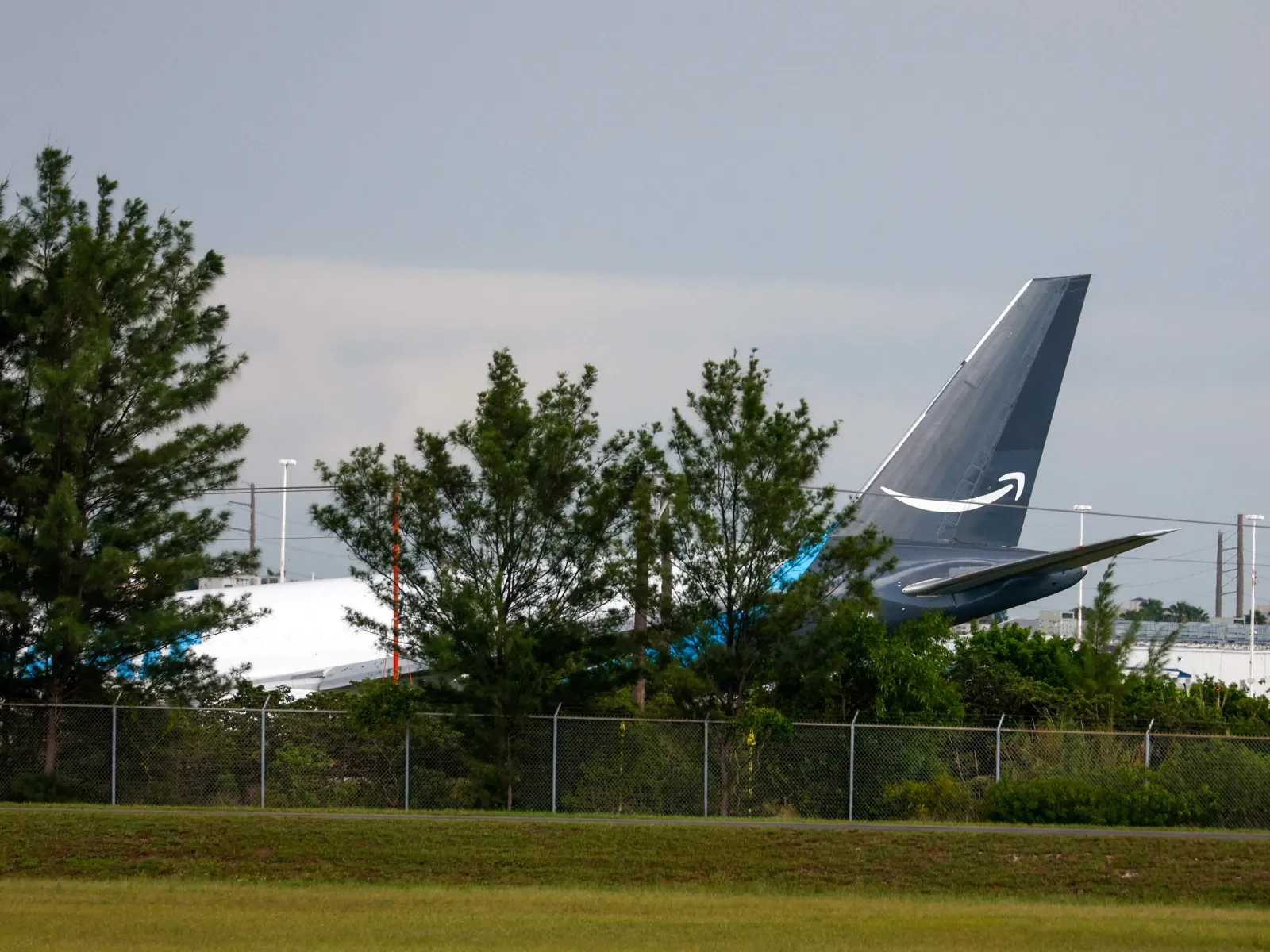
Amazon Prime Air 767 overshoots Miami runway, killing at least 5
The Boeing 767 freighter from San Juan struck vehicles and erupted in flames, prompting a ground stop and a fresh NTSB investigation into Amazon's air cargo network.

Death sentence for TV presenter Sarah Khalifa: Egypt's drug case hits media
The sentencing of Sarah Khalifa and 11 others underscores the severity of Egypt's anti-drug laws and the exposure of public figures to capital punishment.
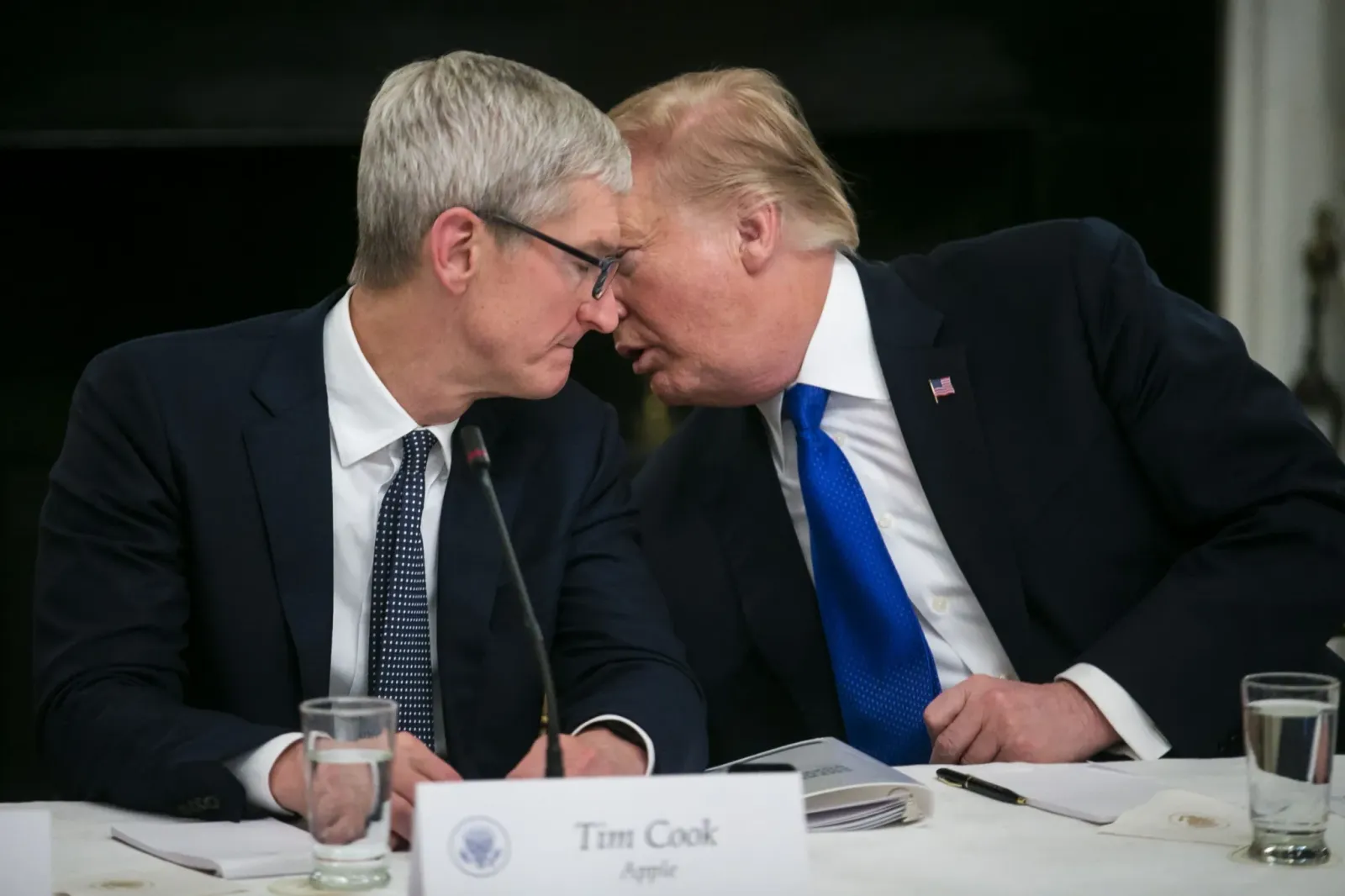
Tim Cook steps down as Apple CEO, stays on as chair with $45M equity
The 'Trump whisperer' keeps his White House and Beijing access as Apple navigates tariffs and a $4.6 trillion market cap.