

Theranos Whistleblower: Holmes 'Completely Misled' Nathan Fielder in New Doc
Tyler Shultz's allegation adds a fresh twist to the Theranos saga, underscoring how the founder's deception extended even to documentary filmmakers.
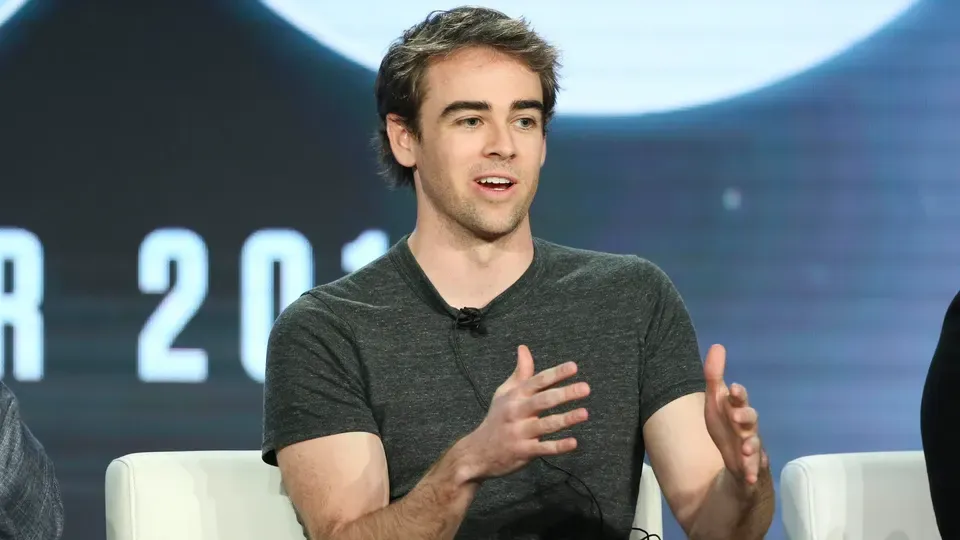
Theranos whistleblower Tyler Shultz alleged that Elizabeth Holmes 'completely misled' Nathan Fielder about the company's technology in a scene in his new documentary 'You Can See Everything.' The allegation reinforces the pattern of deception that led to Holmes's fraud conviction and serves as a cautionary tale for executives about the long tail of misleading claims.
Tyler Shultz, the Theranos whistleblower, alleged that Elizabeth Holmes 'completely misled' Nathan Fielder about the company's technology in a scene in his new documentary, 'You Can See Everything.' The allegation, reported by Forbes, adds another layer to the Theranos saga, which has become a defining case study in startup fraud and the dangers of unchecked founder ambition.
Shultz, a former Theranos employee and the grandson of the late Secretary of State George Shultz, was one of the first insiders to raise alarms about the company's blood-testing technology. His testimony helped expose the fact that Theranos's flagship device, the Edison, was not producing accurate results. Now, he says Holmes was still misleading people even when a camera was rolling for Fielder's documentary. The specific scene in question has not been fully detailed, but Shultz's claim suggests Holmes continued to present a fictional version of the company's capabilities to a filmmaker known for his meticulous, often uncomfortable, observational style.
For context, Nathan Fielder is best known for 'Nathan for You,' a show where he gave deadpan, often absurd business advice to small companies. His new documentary series 'You Can See Everything' reportedly takes a deep dive into the Theranos story, and Shultz's allegation indicates that Holmes may have tried to control the narrative even in that setting. This is not the first time Holmes has been accused of misleading the media; she famously appeared on 'Mad Money' with Jim Cramer and on '60 Minutes' to tout Theranos's technology, which was later proven to be unreliable.
The allegation lands as Holmes is serving an 11-year prison sentence for defrauding investors and patients. She was convicted in 2022 on four counts of wire fraud and conspiracy. Her former business partner and boyfriend, Sunny Balwani, was also convicted and is serving a nearly 13-year sentence. The case has become a cautionary tale for Silicon Valley, where 'fake it till you make it' culture collided with real-world consequences, and it has prompted renewed scrutiny of board oversight and due diligence in venture capital.
For executives and boards, the Theranos story is a reminder that deception rarely stays contained. Shultz's allegation, even if it comes years later, shows how the company's culture of secrecy and overpromising persisted even in interactions with the media and documentary filmmakers. It also highlights the importance of whistleblower protections and internal controls that allow employees to speak up without fear. Shultz's own experience - he was initially threatened with legal action by Theranos before becoming a key witness for the government - underscores the personal and professional risks that whistleblowers often face.
The documentary itself is part of a broader wave of content revisiting the Theranos saga, including the HBO documentary 'The Inventor' and the Hulu series 'The Dropout.' Each new telling keeps the story in the public eye, which has implications for how investors and founders think about accountability. The fact that a whistleblower is still coming forward with new details suggests that the full truth may not yet be known, and that the company's impact on patients, investors, and employees continues to reverberate.
For decision-makers, the lesson is twofold. First, the long tail of misleading claims can follow a company and its leaders for years, even after conviction. Second, the role of whistleblowers is critical: Shultz's willingness to speak out, both during the company's rise and now, has shaped the narrative and the legal outcome. Boards should ensure that their own organizations have clear channels for raising concerns and that they take those concerns seriously. They should also be wary of charismatic founders who resist oversight, as Holmes did when she controlled the board and kept technical details opaque.
Ultimately, the Theranos case is a study in how far a charismatic founder can go when oversight fails. Shultz's latest allegation is a reminder that the truth can surface in unexpected places, including a comedy-adjacent documentary. For executives, the takeaway is simple: integrity is not just a moral choice, it is a strategic one. The cost of deception, as Holmes learned, is not just legal - it is reputational, and it can last a lifetime. As the documentary prepares to reach audiences, the question is not just what Holmes did, but how many more layers of the story have yet to be uncovered.
This story's Key Insights and Take-aways are locked.
Create a free account to unlock Executive Actions for one credit.
Register to UnlockAlways free for Executives Club members. Join the Club
More in Business

Elon Musk unveils a flying car, and SpaceX helped build it
The Tesla CEO's showcase at a SpaceX facility signals a future where road and rocket engineering converge.

Apple's $2,000 iPhone Duo opens preorders, taking on Samsung and Google
Apple's first foldable hits the market at a premium price, reshaping a category Samsung and Google have led.

Pope Leo XIV, first American pope, diagnosed with lung cancer
The 71-year-old Chicago-born pontiff underwent successful surgery on his right lung, and his diagnosis raises new questions about his AI-focused papacy and the Vatican's future.