

Tim Cook prepares to step down as Apple stock slips
Apple's CEO is preparing to hand over the reins, and the stock dip shows how much investors value continuity.

Apple CEO Tim Cook is preparing to step down, and the company's stock slipped on the news. For investors and executives, the development puts Apple's succession planning and strategic continuity under the spotlight.
Apple shares slipped on Tuesday as the market absorbed news that CEO Tim Cook is preparing to step down. Cook, who has led the company since 2011, is getting ready to hand over the top job, according to Yahoo Finance. The stock move was modest, but the symbolism is hard to miss: one of the most successful CEO tenures in modern business is entering its final chapter. For investors, the immediate question is not whether Apple can sell iPhones, but whether it can manage a transition without losing its edge.
The dip in Apple's stock is a reminder that leadership continuity is priced into the company's valuation. Cook took over from Steve Jobs at a moment of maximum skepticism, then spent more than a decade turning Apple into the world's most valuable company. He expanded services, built a supply chain that rivals national economies, and navigated trade wars and a pandemic. The next CEO will inherit a very different Apple: bigger, more regulated, and more dependent on a handful of product lines.
Succession has been a quiet topic inside Apple for years. Cook has promoted a deep bench of operational leaders, and the board has had time to plan. But no successor has been named publicly, and the lack of an obvious heir creates uncertainty. That uncertainty is what moves stock prices. Investors hate vacuums, and a CEO transition at a company of Apple's scale is the ultimate vacuum.
The news also lands at a delicate moment for tech markets. Interest rates, regulatory scrutiny, and shifting consumer demand have made large-cap tech stocks more volatile. Apple's slip may be partly a market-wide move, but the company-specific trigger is clear. When a CEO prepares to step down, every decision gets re-evaluated: capital returns, product roadmaps, M&A strategy, and talent retention.
For boards and executives outside Apple, the episode is a case study in succession planning. The best time to name a successor is before the market demands one. Cook's departure was not a surprise in the sense that he had been CEO for over a decade, but the preparation matters. Companies that wait until a leader announces an exit often pay a premium in stock volatility and lost talent.
Apple's board now faces a choice between internal continuity and external fresh eyes. Internal candidates know the culture and the supply chain. External candidates might bring new energy but also new risk. The decision will signal how Apple views its future: as a steady compounder or as a company needing reinvention. Either way, the next CEO will have to manage the same forces that Cook managed, but with less room for error.
There are also second-order effects. Key executives may angle for the top job, and rivals may try to poach Apple talent during the uncertainty. Suppliers and partners will watch closely, because Apple's leadership changes can reshape negotiating dynamics. And regulators, already focused on big tech, will have a new set of questions about how Apple's strategy evolves under new leadership.
For now, the stock slip is a warning, not a crash. Cook's departure timeline is unclear, and he could remain for months or years. But the message for every executive is the same: leadership transitions are the moments when value is made or lost. The companies that prepare early, communicate clearly, and choose deliberately are the ones that protect their market cap. Apple is about to test that lesson at the highest level.
This story's Key Insights and Take-aways are locked.
Create a free account to unlock Executive Actions for one credit.
Register to UnlockAlways free for Executives Club members. Join the Club
More in Business
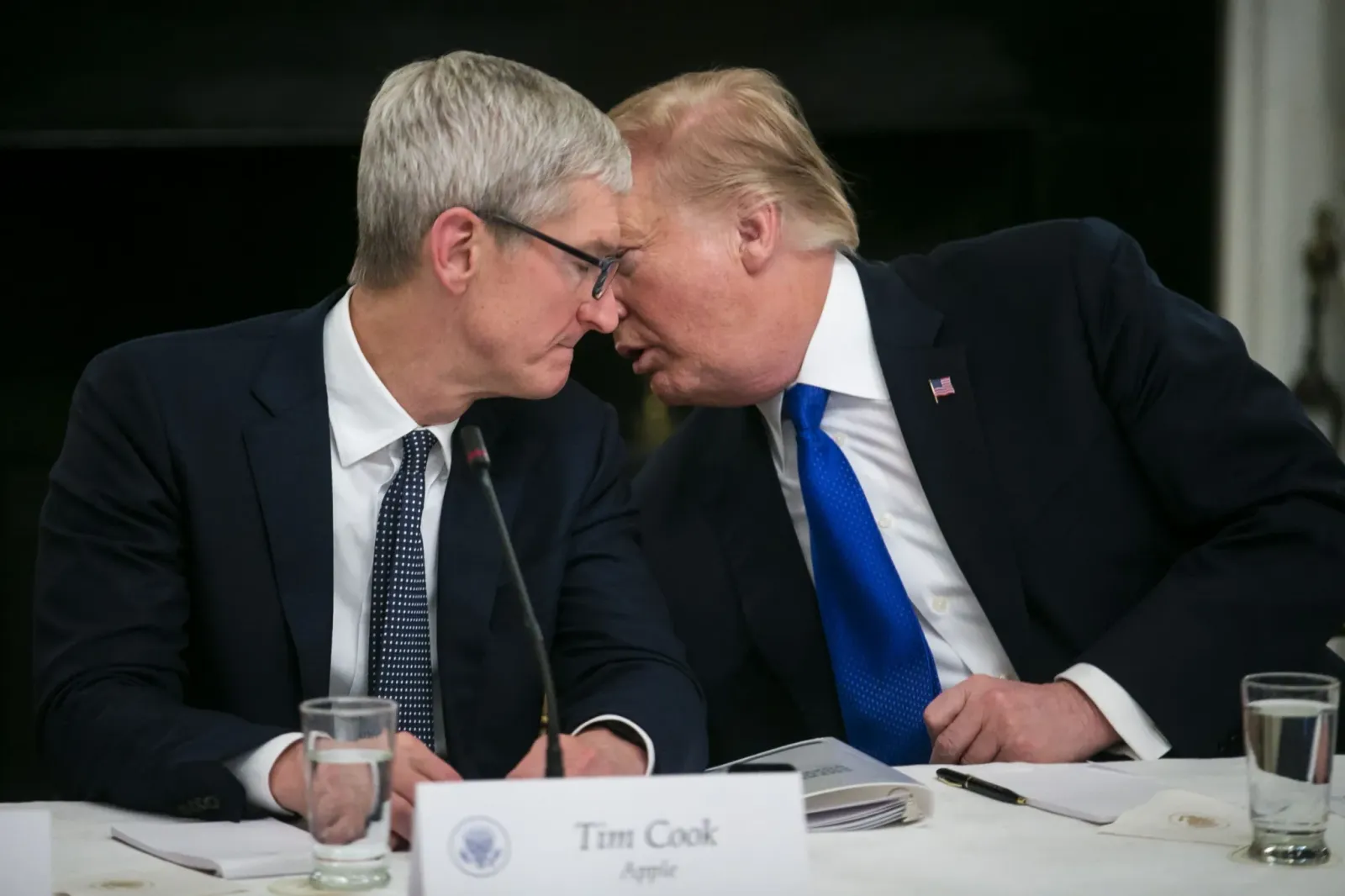
Tim Cook steps down as Apple CEO, stays on as chair with $45M equity
The 'Trump whisperer' keeps his White House and Beijing access as Apple navigates tariffs and a $4.6 trillion market cap.

Snowflake shares surge as AI data demand crushes estimates, lifting full-year forecast
Stocks jumped on stronger-than-expected guidance, signaling enterprise AI workloads are accelerating faster than Wall Street priced in.
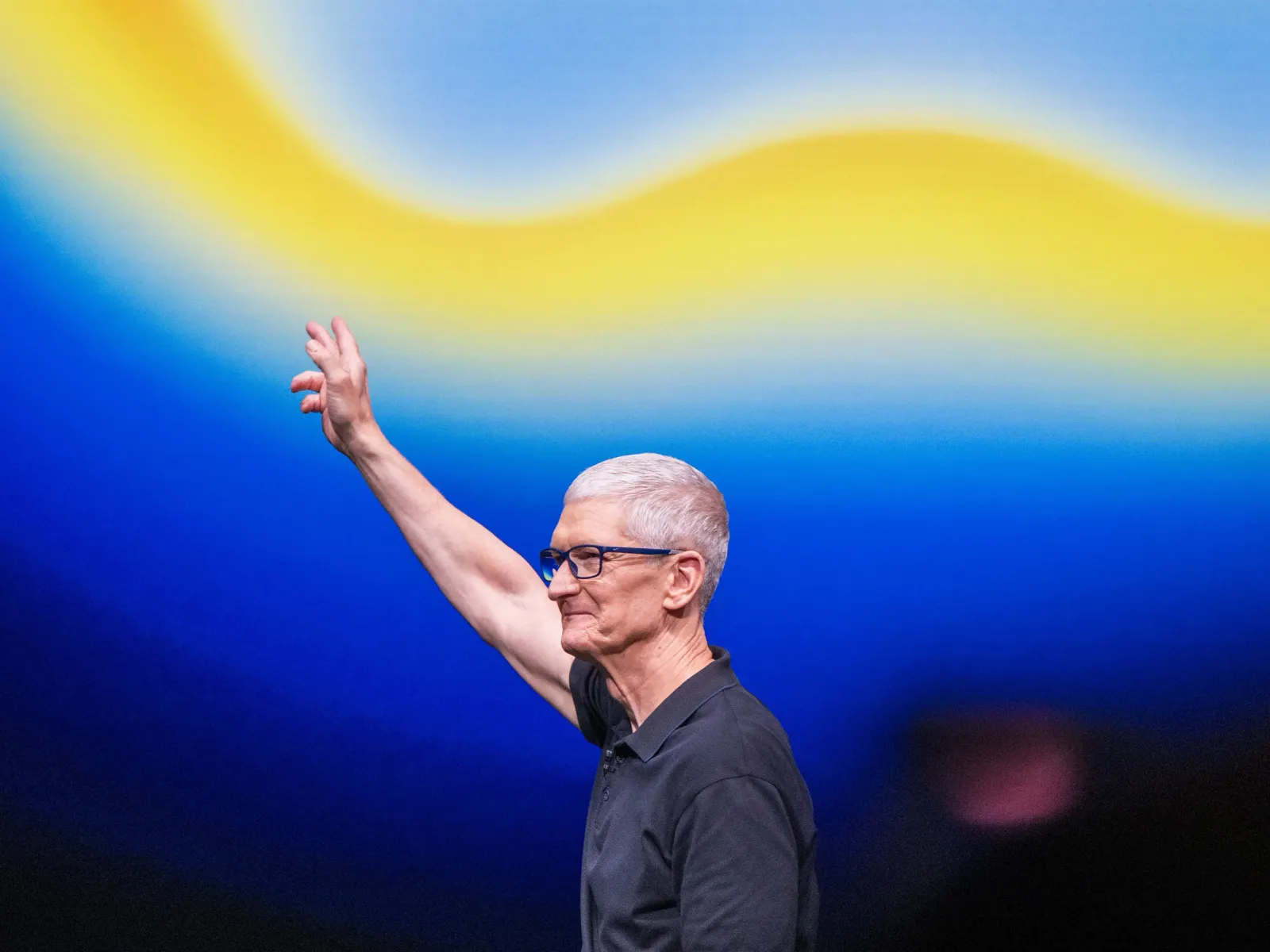
Tim Cook's 15-year Apple CEO run ends: 3 lessons for any successor
After 15 years, Tim Cook hands Apple to John Ternus - here's how he turned a $350B company into a $4.6T juggernaut.