
Tom Corson promoted to COO at Warner Music Group from Warner Records co-chairman
What Tom Corson’s step up signals about Warner Music’s operating priorities, and why it matters to anyone betting on music business fundamentals.
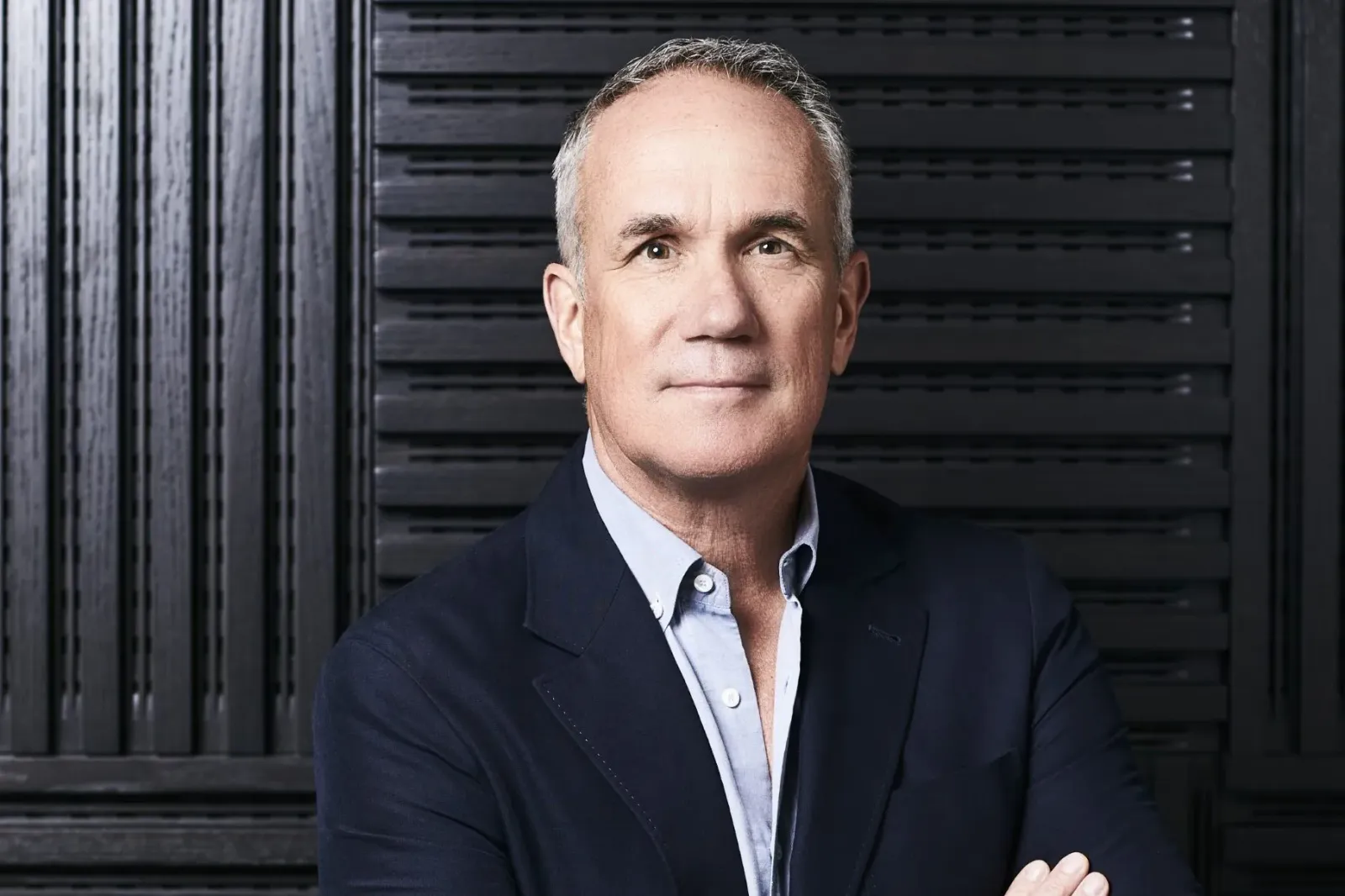
Tom Corson has been promoted to Chief Operating Officer at Warner Music Group, moving up from his role as Co-Chairman and Chief Operating Officer of Warner Records. The change expands his remit across business operations, strategy, and commercial development for artists.
Tom Corson just got a bigger title at Warner Music Group. Variety reports that he has been promoted to Chief Operating Officer at the parent company, after previously serving as Co-Chairman and Chief Operating Officer of Warner Records. In practice, this is not a ceremonial shuffle. It is a move that suggests Warner wants the person already running the commercial engine at Warner Records to help steer operations, strategy, and development across the wider group.
Corson joined Warner Records in 2018 and, according to the report, has been overseeing the company’s business operations, strategy, and commercial development for artists ranging from Madonna and Red Hot Chili Peppers to Dua Lipa. That artist roster matters because it hints at the type of work the COO job usually carries in a major music company: building the systems that turn talent into repeatable commercial outcomes. Corson has been living inside those systems at Warner Records, and now he is being asked to connect them to how Warner Music Group runs at scale.
To understand why this promotion is worth paying attention to, zoom out one level. Music businesses are operationally complex even when the headlines focus on songs and stars. Labels manage rights, marketing, distribution, partnerships, tour-related commercial planning, and increasingly a mix of formats and platforms that can shift quickly. When a COO is promoted from within the operating team, it often means the board and CEO are betting on continuity of execution rather than a reinvention. The question is not whether strategy should change. It is whether the company can execute faster, coordinate better across teams, and translate artist momentum into financial performance.
This is also a board-dynamics story, even if the source only covers the promotion itself. Warner Music Group is a company where executive roles typically reflect how responsibilities are split between artists, commercial teams, finance, and enterprise operations. Corson’s track record at Warner Records indicates he already had formal ownership over business operations and strategy, not just day-to-day execution. Elevating him to group-level COO suggests Warner is formalizing the connection between “how deals get done” and “how the business runs.” For decision-makers watching from the sidelines, internal promotions like this can be a signal that leadership is tightening around performance levers already under control.
There is a second-order implication for peers in the industry too. Other major music groups and label operators can treat this kind of move as a data point about where operational leadership is headed. As music consumption and monetization continue to evolve across streaming, licensing, and branded ecosystems, companies often need leaders who can bridge commercial development with the operational machinery behind it. A COO who has already overseen commercial development for high-profile, mainstream artists can bring an execution lens that is hard to replicate through a purely “corporate” hire.
Finally, for investors and executives thinking about risk, this promotion lands in the category of “governance with momentum.” A COO promotion from within can reduce uncertainty because the new role is filled by someone who already understands the internal processes, the commercial calendar, and the way artist development translates into revenue. That matters in a business where timelines can be long and where the market reacts to both near-term performance and expectations for the next wave of talent.
So what does Corson’s promotion mean strategically? It points toward Warner Music Group placing a high value on the operating capabilities that drive strategy and commercial development for artists. If you are an operator, board member, or investor, the practical takeaway is simple: the person building the machine at Warner Records is now being tasked with scaling the machine for Warner Music Group. That is the kind of leadership move that can affect how quickly the company adapts, how tightly it aligns commercial plans with enterprise priorities, and how consistently it turns artist strategy into business outcomes.
This story's Key Insights and Take-aways are locked.
Create a free account to unlock Executive Actions for one credit.
Register to UnlockAlways free for Executives Club members. Join the Club
More in Entertainment

'It's a Magic Trick': Ballet Experts Say Rosalía's SNL Pose Is Impossible
Three ballet experts tell Rolling Stone Rosalía's gravity-defying SNL stillness shouldn't be possible - and why the debate is now part of the show.

Activision CMO: GTA 6 Will Boost Call of Duty, Not Bury It
Activision's top marketer says Rockstar's blockbuster will drive players back to consoles and into Modern Warfare 4, even as the company admits its recent strategy failed.
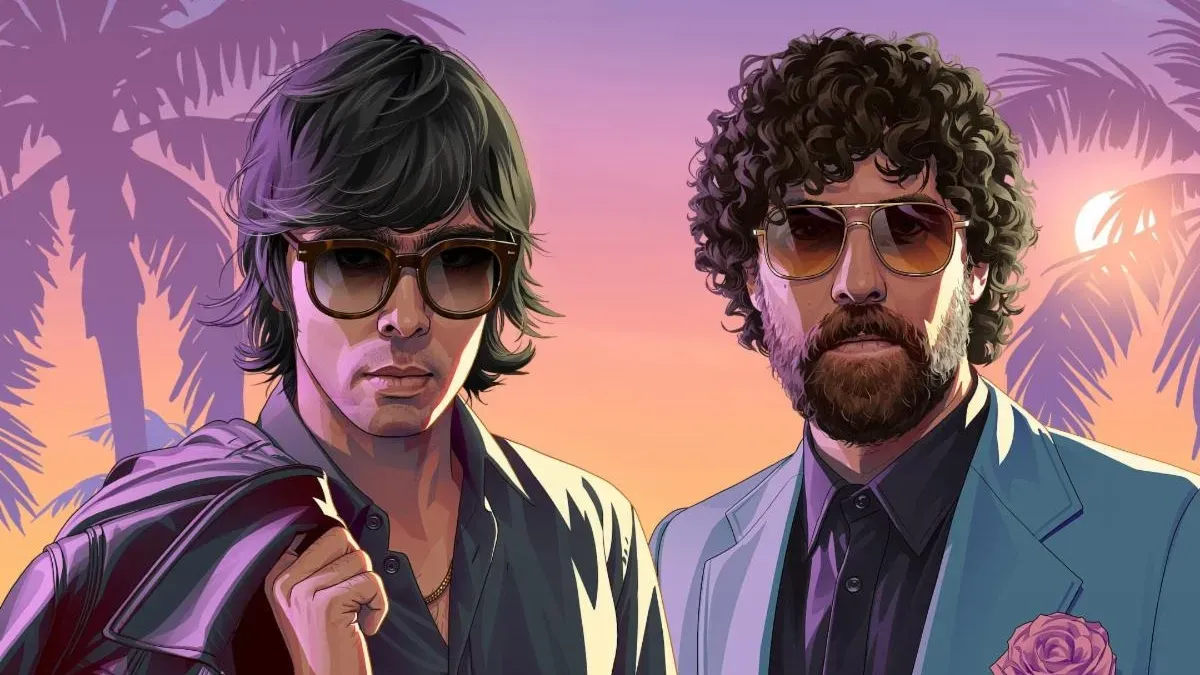
Justice to Score GTA 6, Share New Song with Tame Impala, SZA, King Gizzard
Rockstar taps the French duo for the GTA VI score, and the first taste is a genre-melting collab with Tame Impala, SZA, and King Gizzard & The Lizard Wizard.