

Tom Holland calls parts of his past filmography “shit,” but says two summers were easy
The Spider-Man actor explains why press tours can be “really easy” and why some older movies weren’t worth pushing.

Tom Holland says his upcoming theaters stint for The Odyssey and Spider-Man: Brand New Day has been “really easy,” while some past films were “shit” and “hard to promote.” The confession matters because it spotlights how promotion logistics and public perception can make or break a movie’s rollout.
Tom Holland is in theaters this summer with The Odyssey and Spider-Man: Brand New Day, and he basically admits the press tour math was favorable this time. In remarks covered by Deadline, the actor said the promotional grind for these projects has been “really easy,” and contrasted that with his experience promoting some earlier films that he wouldn't recommend.
The punchline is blunt: Holland said some of his past films were “shit” and that they were “hard to promote.” Even if you take a celebrity quote with a grain of salt, the underlying point is annoyingly real for anyone running a campaign, building a portfolio, or managing a brand calendar: the work isn't just about having product. It's about whether the product sells itself when the lights are on.
Promotion is an ecosystem, not a switch you flip. For blockbuster releases like Spider-Man-adjacent titles or big theatrical events, the press cycle tends to be structured like a machine. Studios stack outlets, time interviews to maximize visibility, and aim to keep the narrative consistent. When Holland says these summer tours were “really easy,” he's describing a world where the story, the audience interest, and the marketing channel all line up. In that situation, the press tour is less persuasion and more amplification.
But Holland's comments also hint at a more complicated truth: when older work underperforms, or when the audience has mixed feelings, promotion stops being a job and starts being a negotiation. You can watch this happen across entertainment. The cast still has obligations. The studio still needs mindshare. Yet the promotional messaging becomes harder because every question from reporters is, implicitly, a referendum on whether the movie earned its place.
This matters because studios and talent are effectively coupled. Actors are not only selling a film, they are participating in a public scoreboard. If a project creates reputational drag, even the best spokesperson may have to spend more time explaining rather than hyping. That is what “hard to promote” sounds like in practice: fewer clean talking points, more defensive framing, and a higher chance that the conversation drifts away from the work and toward criticism.
There is also a timing and strategy angle. Holland's summer slate includes The Odyssey and Spider-Man: Brand New Day, both framed as summer blockbusters that he's proud of. When he says he wouldn't recommend certain pieces of his past filmography, he's drawing a line between “projects I can stand behind” and “projects I wouldn't push.” From an operator's perspective, that's the difference between genuine advocacy and transactional promotion. Genuine advocacy reduces friction with media and audiences. Transactional promotion amplifies skepticism.
Now, let's talk about the broader incentives that make this confession newsworthy beyond celebrity gossip. In business terms, this is about alignment. Talent wants to be associated with strong work. Studios want returns, but they also need momentum across release windows. If press tours get harder as a film's perception worsens, the cost of promotion rises, and the energy required from everyone involved goes up. In a competitive entertainment market, that can affect how teams schedule interviews, allocate resources, and decide what narratives to emphasize.
On the regulatory side, entertainment marketing is generally shaped by standards and guidelines that differ from sector to sector, but the core idea is consistent: communications have consequences, and claims need to be handled carefully. Holland's quote is personal and evaluative, not a technical claim about safety or compliance, so it doesn't trigger the kind of direct regulatory scrutiny you might see in heavily regulated industries. Still, it reflects something executives already manage internally: brand voice. Companies have to consider how public statements from prominent talent interact with their messaging policies, crisis plans, and long-term brand positioning.
The second-order implication for other actors, producers, and boards is that promotional “ease” is not just luck. It is a measurable byproduct of product-market fit, audience sentiment, and narrative clarity. Holland's contrast between “really easy” and “hard to promote” is basically a scoreboard of how his current projects are landing versus how some earlier titles did in the public mind.
If you run communications, manage a release calendar, or sit on an investment committee watching media deals, the lesson is painfully practical: the campaign is part of the product. When the story resonates, press becomes a victory lap. When it doesn't, promotion becomes damage control. Holland's willingness to call out what he says wasn't recommendable is a reminder that reputations, marketing spend, and outcomes are tethered together more tightly than most people like to admit.
This story's Key Insights and Take-aways are locked.
Create a free account to unlock Executive Actions for one credit.
Register to UnlockAlways free for Executives Club members. Join the Club
More in Entertainment

'It's a Magic Trick': Ballet Experts Say Rosalía's SNL Pose Is Impossible
Three ballet experts tell Rolling Stone Rosalía's gravity-defying SNL stillness shouldn't be possible - and why the debate is now part of the show.

Activision CMO: GTA 6 Will Boost Call of Duty, Not Bury It
Activision's top marketer says Rockstar's blockbuster will drive players back to consoles and into Modern Warfare 4, even as the company admits its recent strategy failed.
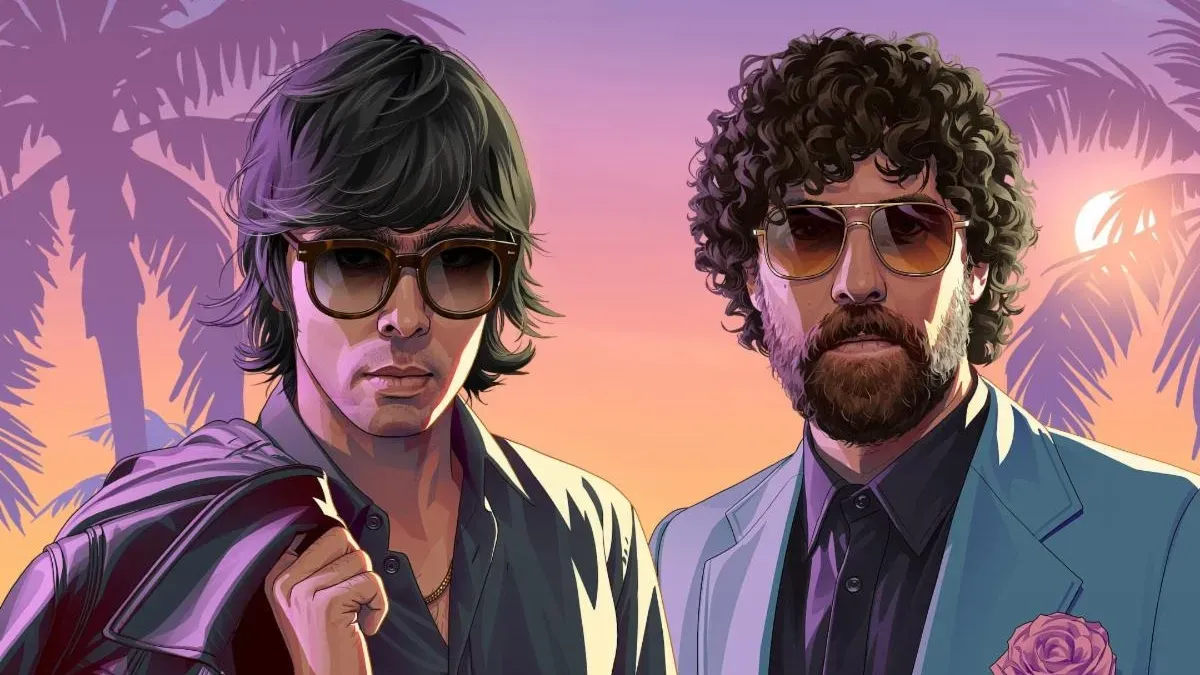
Justice to Score GTA 6, Share New Song with Tame Impala, SZA, King Gizzard
Rockstar taps the French duo for the GTA VI score, and the first taste is a genre-melting collab with Tame Impala, SZA, and King Gizzard & The Lizard Wizard.