
Tormentum 2 arrives 11 years after Dark Sorrow, with puzzles, gods, and multiple endings
A Giger-inspired sequel finally shipped after 8 years of development, and it is standalone, not a remaster.
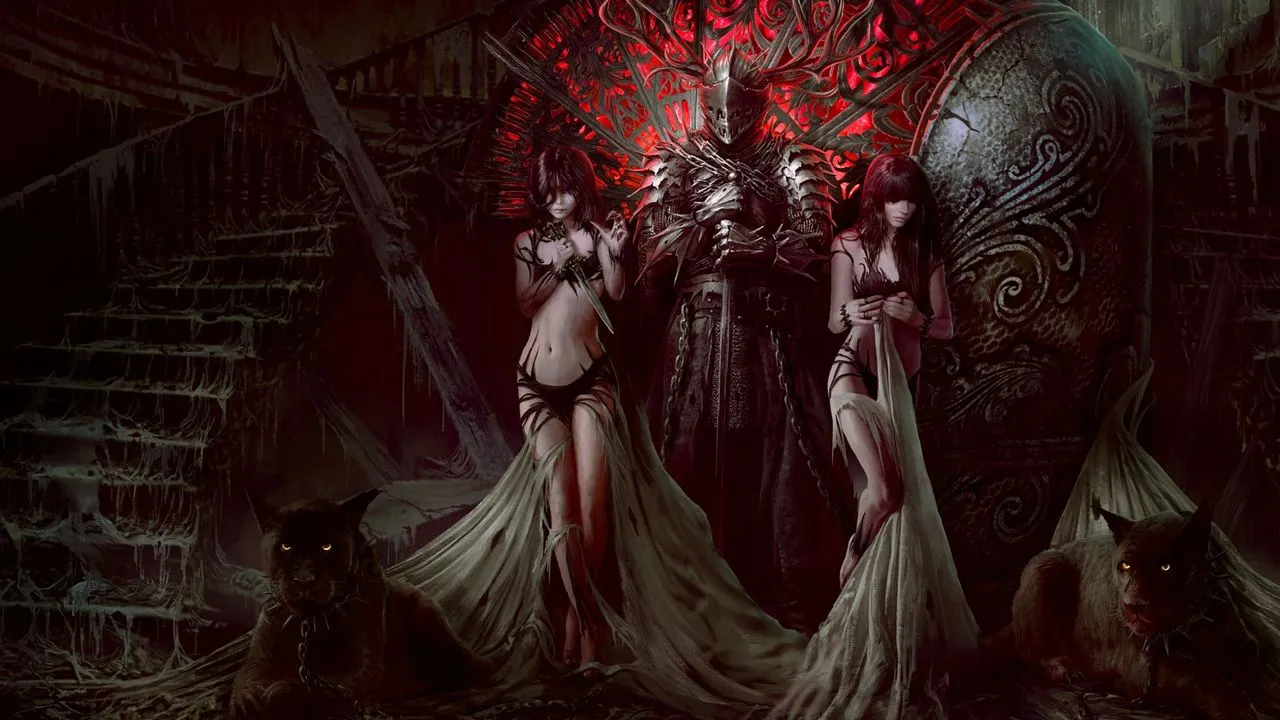
Tormentum 2, the sequel to Tormentum: Dark Sorrow, is out now after 11 years and 8 years of development. For decision-makers watching the survival-horror and narrative-adventure pipeline, it is a live example of how long-tail IP and niche style can still justify a sequel.
H.R. Giger's biomechanical nightmares have haunted games for years, but Tormentum 2 is the first sequel to actually land after the kind of timeline that makes most publishers quietly move on. According to PC Gamer, Tormentum: Dark Sorrow shipped 11 years ago, and then Tormentum finally got a sequel after eight years of development. The big practical point for players and for anyone tracking niche content businesses: Tormentum 2 is available now, and it is a standalone game in a similar style, not a direct continuation that expects you to have mastered the first one.
If you are wondering whether the sequel changed the formula, it did not. Tormentum 2 keeps the same core promise, a hand-painted point-and-click adventure built around the same family of horrors: bones, alien faces, and naked people embedded in walls. The premise is also instantly legible. You are trapped inside a simulated world that has gone wrong, where the supposedly digital characters within become out of control and start talking about gods from distant places. Then you do the thing these games are built for, crossing the islands that make up that world, solving puzzles as you go, and working toward multiple endings.
This is where the business lesson shows up, even if you are not thinking about it as a “business” story. Long development cycles usually get framed as risk. But here the outcome suggests a different incentive structure. The original Tormentum: Dark Sorrow took 11 years to receive its sequel, but the sequel still shipped as a standalone experience. That is an implicit strategy: you can preserve the brand atmosphere without forcing new players to clear a barrier before they are allowed into the room. In other words, you can turn “we made something for fans” into “we made something for anyone willing to try the demo.”
The IP lineage also matters. PC Gamer notes that Giger's work has inspired plenty of videogames, including the classic puzzle adventure Dark Seed, and more recently the fleshy horror of Scorn. Tormentum: Dark Sorrow was more in the vein of Dark Seed than Scorn, and it borrowed not only from Giger but also from Zdzisław Beksiński. That context is not just trivia. It explains why Tormentum sits in a specific creative niche, where art direction is the product, not a garnish. When a style is central, sequels can succeed even in smaller markets, because the audience is buying a visual and narrative mood with strong preferences.
The distribution details on Steam underline how these niche projects manage experimentation risk. PC Gamer says Tormentum 2 is currently available for 15% off on Steam, and that there is also a demo. The existence of a demo is a second-order signal: the team expects a portion of its prospective audience to need a “try before you buy” moment, especially for a game that is heavy on unsettling imagery and puzzle pacing. Meanwhile, the original Tormentum: Dark Sorrow is also on sale for 67% off, which effectively gives lapsed players a low-friction way to catch up or decide whether they want to come back to the sequel.
Now zoom out to the kind of decision-makers who should care. If you are an executive in gaming, you are watching for patterns that survive beyond hype cycles. Tormentum 2 is a clear case of long-tail momentum, where a distinctive aesthetic and a defined puzzle-adventure structure can still justify a sequel after a lengthy gap. If you are a studio operator, the standalone design choice is the takeaway: maintain continuity of style and themes, but reduce dependency on previous knowledge. If you are an investor or board member, the fact that the game is shipping with a demo and a meaningful discount suggests a pragmatic go-to-market approach aimed at conversion, not just nostalgia.
Finally, this matters to peers because it answers a question many teams ask but rarely get a clean signal on. Does a deeply specific horror aesthetic still earn a new release in 2026-like timelines? Tormentum 2's launch says yes, and it does so with multiple endings and a simulated-world narrative hook that is easy to describe and hard to forget. If you build in this space, the real strategic stakes are simple: when your audience is niche but loyal, your sequel strategy cannot be “hope everyone knows the lore.” It has to be “bring them in now,” and then reward them with the weird, puzzle-driven, Giger-inspired atmosphere they came for.
This story's Key Insights and Take-aways are locked.
Create a free account to unlock Executive Actions for one credit.
Register to UnlockAlways free for Executives Club members. Join the Club
More in Entertainment

'It's a Magic Trick': Ballet Experts Say Rosalía's SNL Pose Is Impossible
Three ballet experts tell Rolling Stone Rosalía's gravity-defying SNL stillness shouldn't be possible - and why the debate is now part of the show.

Activision CMO: GTA 6 Will Boost Call of Duty, Not Bury It
Activision's top marketer says Rockstar's blockbuster will drive players back to consoles and into Modern Warfare 4, even as the company admits its recent strategy failed.
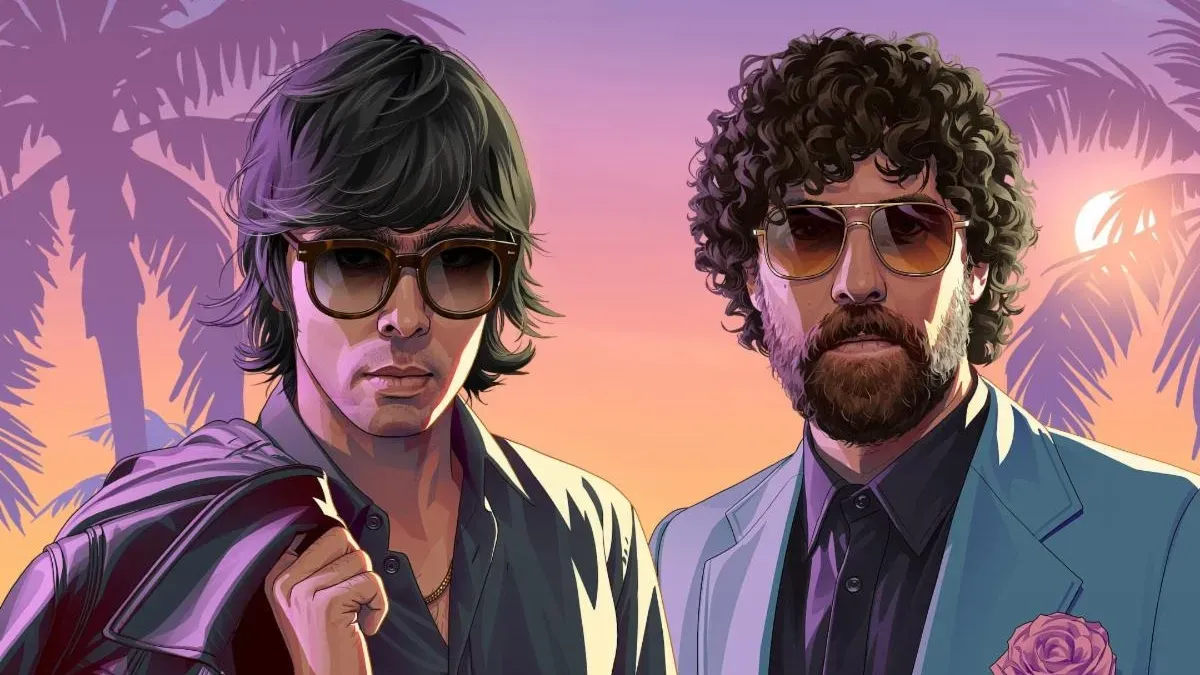
Justice to Score GTA 6, Share New Song with Tame Impala, SZA, King Gizzard
Rockstar taps the French duo for the GTA VI score, and the first taste is a genre-melting collab with Tame Impala, SZA, and King Gizzard & The Lizard Wizard.