

Toy Story 5 makes $3.3M in Korea, beating rivals as The Eyes debuts second
KOBIS tracking for Jun. 26-28 shows Disney and Pixar holding No. 1 while a thriller opens strongly at No. 2.
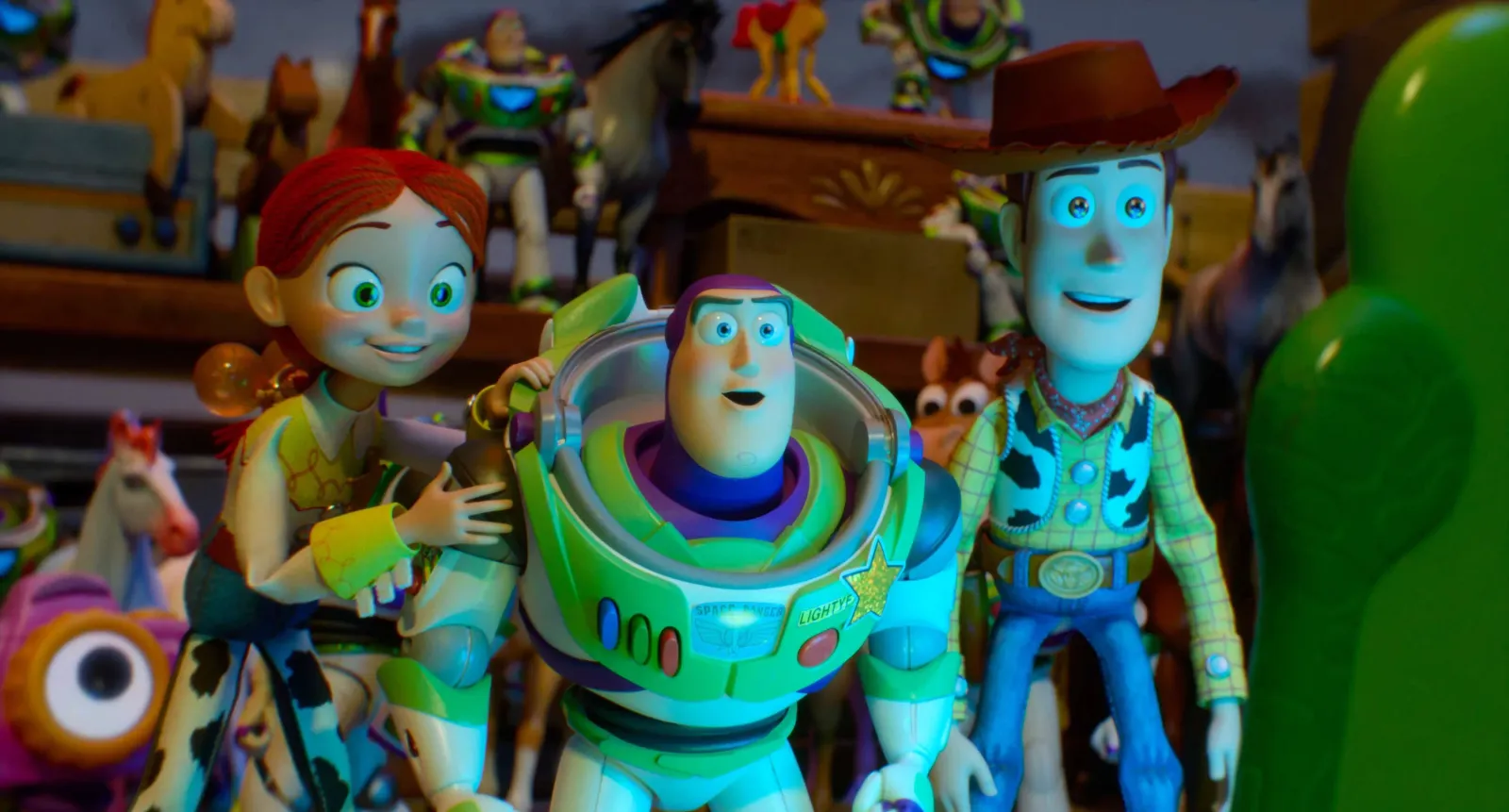
Disney and Pixar's Toy Story 5 held the top spot at the South Korean box office during the Jun. 26-28 weekend, earning $3.3 million from 502,939 admissions per KOBIS data. The result matters for decision-makers tracking theatrical momentum, release timing, and competitive positioning in Korea.
Disney and Pixar’s Toy Story 5 kept its grip on the South Korean box office for the weekend of Jun. 26-28, pulling in $3.3 million from 502,939 admissions, according to KOBIS, the tracking service operated by the Korean Film Council. That combination matters because it is not just a headline number. It ties revenue to actual audience volume, giving studios and distributors a clearer read on how much demand the market is truly bringing to theaters over a three-day window.
In the same weekend window, the thriller The Eyes opened in second place. For anyone making release-day decisions, this is the competitive setup: Toy Story 5 remains the mainstream gravity well, while The Eyes demonstrates that a non-animation title can still win meaningful attention when it lands at the right moment. It is a classic box office dynamic, but the data gives it sharper edges: the top film is still commanding the majority of the weekend pull, while the newcomer is capturing the next tier of viewers.
To understand why this matters beyond the usual “who’s #1” chatter, you have to look at how Korea’s theatrical market tends to behave. Weekend performance is where marketing plans get tested quickly. If a film cannot convert interest into admissions in the opening stretch, late-week momentum can get harder to manufacture. KOBIS’s tracking approach, run by the Korean Film Council, is part of what makes these weekends useful for industry players. Instead of waiting until end-of-run totals, executives can benchmark near-real-time performance across titles, find early signals of audience fit, and adjust expectations for downstream strategies like marketing spend, screen allocation, and the pacing of competing releases.
Toy Story 5’s $3.3 million haul, tied to 502,939 admissions over three days, is also a reminder that animation franchises can dominate not only with brand recognition, but with repeatable audience behavior. In many markets, family-oriented animation tends to create predictable demand spikes, particularly on weekends when groups can coordinate theater time. That does not automatically guarantee cinematic immortality for every weekend, but it does create a stable baseline against which other genres have to fight.
That is where The Eyes becomes more than a position in the standings. A thriller opening at No. 2 tells decision-makers something about genre diversity and scheduling risk. If the market is willing to place a darker, tension-driven title behind a blockbuster animation, then distributors can argue for the value of pairing a premium mainstream play with a genre counterprogramming strategy. In other words, The Eyes does not need to beat Toy Story 5 to matter. It needs to earn enough admissions, relative to its own marketing and its intended audience, to justify continued theater presence and to strengthen the case for similar bookings later in the season.
For executives, boards, and investors, these weekend snapshots can also influence how they think about pipeline timing. Studios and distributors often have to coordinate release calendars in crowded windows. When a tentpole like Toy Story 5 holds No. 1 through a specific weekend, it constrains the opportunity set for other titles. That can push competitors to either accept a tougher ceiling for that cycle or negotiate for better positioning and screen strategy for the next swing. The presence of a thriller at No. 2 suggests there is still room to win within that ceiling, but it also reinforces that timing and audience targeting are the levers.
Finally, there is a reputational and operational angle. In markets tracked by organizations like the Korean Film Council through KOBIS, films are not judged purely on long-run mythology. They are judged on measurable performance in defined windows. When Toy Story 5 posts strong admissions and revenue in the Jun. 26-28 weekend, it becomes a reference point that other teams will use for planning. And when The Eyes enters second place, it becomes the proof that a new genre launch can still capture a significant share of attention even when a franchise is setting the pace. For peers managing release slates and theatrical budgets, that is the strategic stakes: maximize your chance to be the right film at the right time, because the top position does not just belong to whoever has the biggest brand. It belongs to whoever converts weekend demand into admissions first, while still leaving space for the next title to make noise.
This story's Key Insights and Take-aways are locked.
Create a free account to unlock Executive Actions for one credit.
Register to UnlockAlways free for Executives Club members. Join the Club
More in Entertainment

Russell Brand's accuser 'bewildered and confused' as he denies 7 sex charges
The criminal case against the comedian is a live test of how media companies manage talent risk when serious allegations go public.

'It's a Magic Trick': Ballet Experts Say Rosalía's SNL Pose Is Impossible
Three ballet experts tell Rolling Stone Rosalía's gravity-defying SNL stillness shouldn't be possible - and why the debate is now part of the show.

Activision CMO: GTA 6 Will Boost Call of Duty, Not Bury It
Activision's top marketer says Rockstar's blockbuster will drive players back to consoles and into Modern Warfare 4, even as the company admits its recent strategy failed.