

Toyota makes China its next-gen EV launchpad, bets on gigacasting
The world's top carmaker is putting China before Japan for its next-generation EV build, a move that accelerates the global spread of Tesla's cost-cutting die-casting playbook.
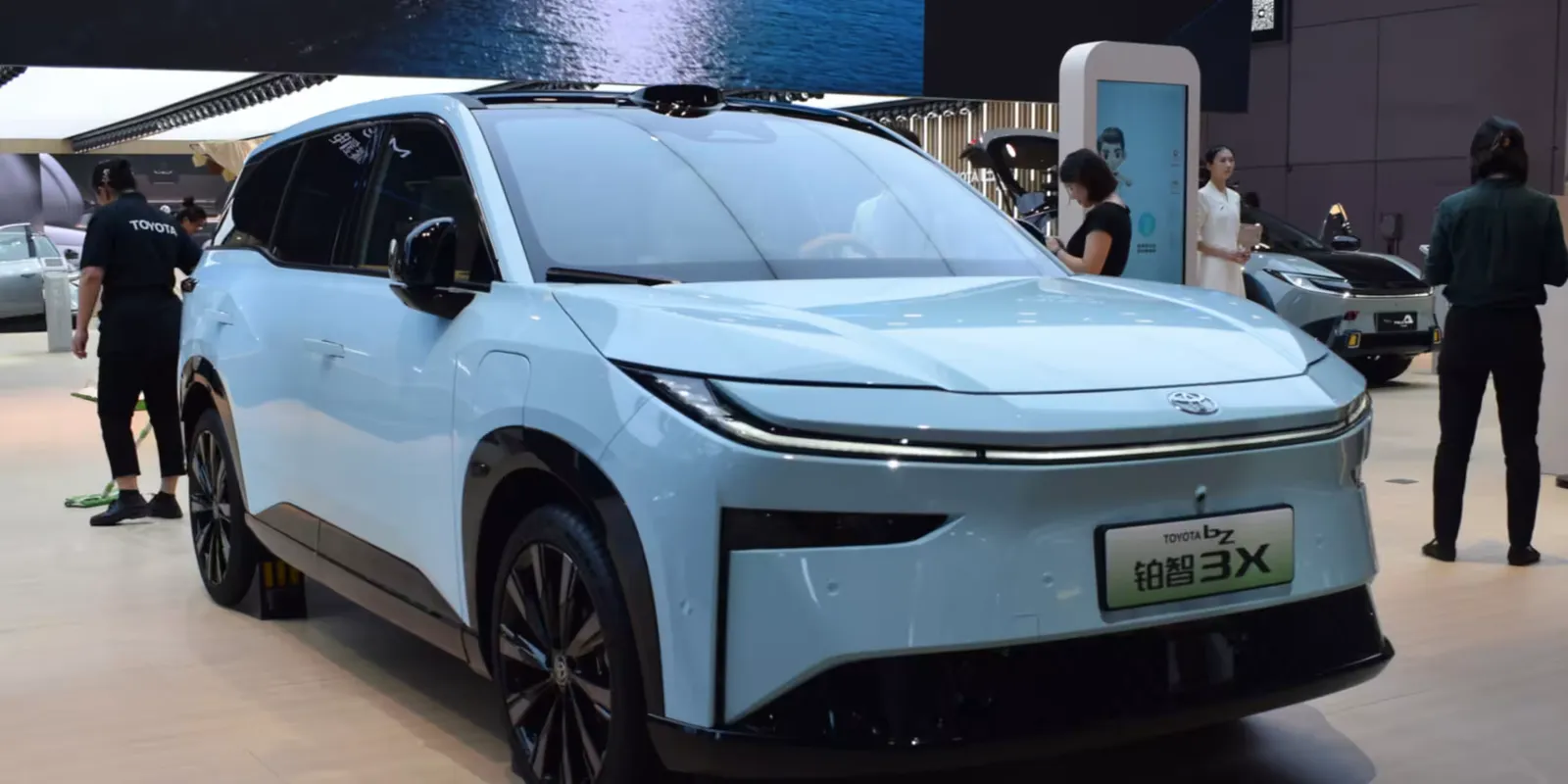
Toyota will develop and build its next-generation electric vehicles in China first, using Tesla-style gigacasting, Nikkei Asia reports. The move signals a strategic pivot to the world's most competitive EV market and could reshape how legacy automakers order their global product launches.
Toyota is making a quiet but consequential break with its own history: it will build its next-generation electric vehicle in China first, and it will use gigacasting - the large-scale aluminum die-casting technique popularized by Tesla - to do it, Nikkei Asia reports. For a company that has long treated Japan as the launchpad for its flagship models, the decision to hand China "first build" status is a strategic earthquake.
The stakes are immediate. China is already the world's largest EV market, and it is the one place where Toyota faces an existential threat from domestic brands like BYD that have slashed prices, compressed development cycles, and turned the Corolla-and-Camry safety into an anachronism. By moving next-gen EV development to China, Toyota is betting that co-location with Chinese suppliers, engineers, and manufacturing talent will help it match the speed and cost of rivals like Tesla and BYD - and then export that capability to the rest of the world.
Toyota's EV trajectory so far has been cautious. Its bZ4X, a joint effort with Subaru, launched to lukewarm reviews and sluggish sales, and the automaker has leaned heavily on hybrids, the segment where it still dominates. But with China's domestic market rapidly pivoting to battery-electric vehicles, and with China's automakers entering Southeast Asia, Europe, and Latin America, Toyota's hybrid-centric strategy suddenly looks like a defensive position rather than a winning one.
Gigacasting is the technical key. The process uses gigantic clamping machines to inject molten aluminum into a mold, casting an entire section of a car body - the rear underbody, say - in one piece instead of stamping and welding dozens of steel parts. Tesla's adoption of the method cut manufacturing costs by thousands of dollars per vehicle and allowed it to launch the Cybertruck and the Model Y at profit margins legacy makers could only envy. Toyota has previously said it would use the technique, but doing it in China first gives Toyota access to the same cost-mad Chinese supply base that serves Tesla.
The broader strategic signal is even bigger than a single supply-chain decision. Toyota is effectively acknowledging that the future of the car is being defined in Shenzhen, Shanghai, and Beijing - not in Aichi. That will send ripples through Toyota's Japanese supplier network, which has historically been protected by the automaker's insular keiretsu structure. A shift to China-first engineering and procurement will accelerate the regionalization of Toyota's global supply chain, likely flattening its parts list and inviting Chinese aluminum die-casters and battery makers deeper into its operations.
There are real risks, of course. Geopolitical tensions between China and the West have already prompted Toyota to accelerate localization in other markets, and any technology transfer to Chinese plants comes with a risk of eventual IP leakage to local producers who are already formidable. Yet Toyota is showing that the fear of being locked out of China's EV ecosystem outweighs those risks. The Chinese market is not just the biggest market for EVs - it is also the most advanced, with battery chemistry, in-car software, and cost engineering all moving at a pace no other market matches.
For executives watching from other industries, the lesson is a reminder that "home-market advantage" is a luxury when the market itself moves. Toyota built a global empire by perfecting manufacturing in Japan, then rolling out proven products everywhere else. That playbook fails when the leading-edge consumer market, the fastest factories, and the most aggressive competitors are all in one foreign country. Toyota's answer is to go where the curve is steepest, adopt the local playbook, and then scale it outward - a strategy any multinational in tech, energy, or fashion should recognize.
The ultimate test will be execution. Toyota has a credibility problem in EVs, and gigacasting alone will not fix that. But the decision to place its next-gen EV program in China first - with all the production, procurement, and development decisions that entails - signals that Toyota is finally treating the transition to EVs as an urgent competitive challenge, not a line item on a sustainability report. For everyone else in the automotive world, that is a reminder that no incumbent is too big to be outflanked.
This story's Key Insights and Take-aways are locked.
Create a free account to unlock Executive Actions for one credit.
Register to UnlockAlways free for Executives Club members. Join the Club
More in Business
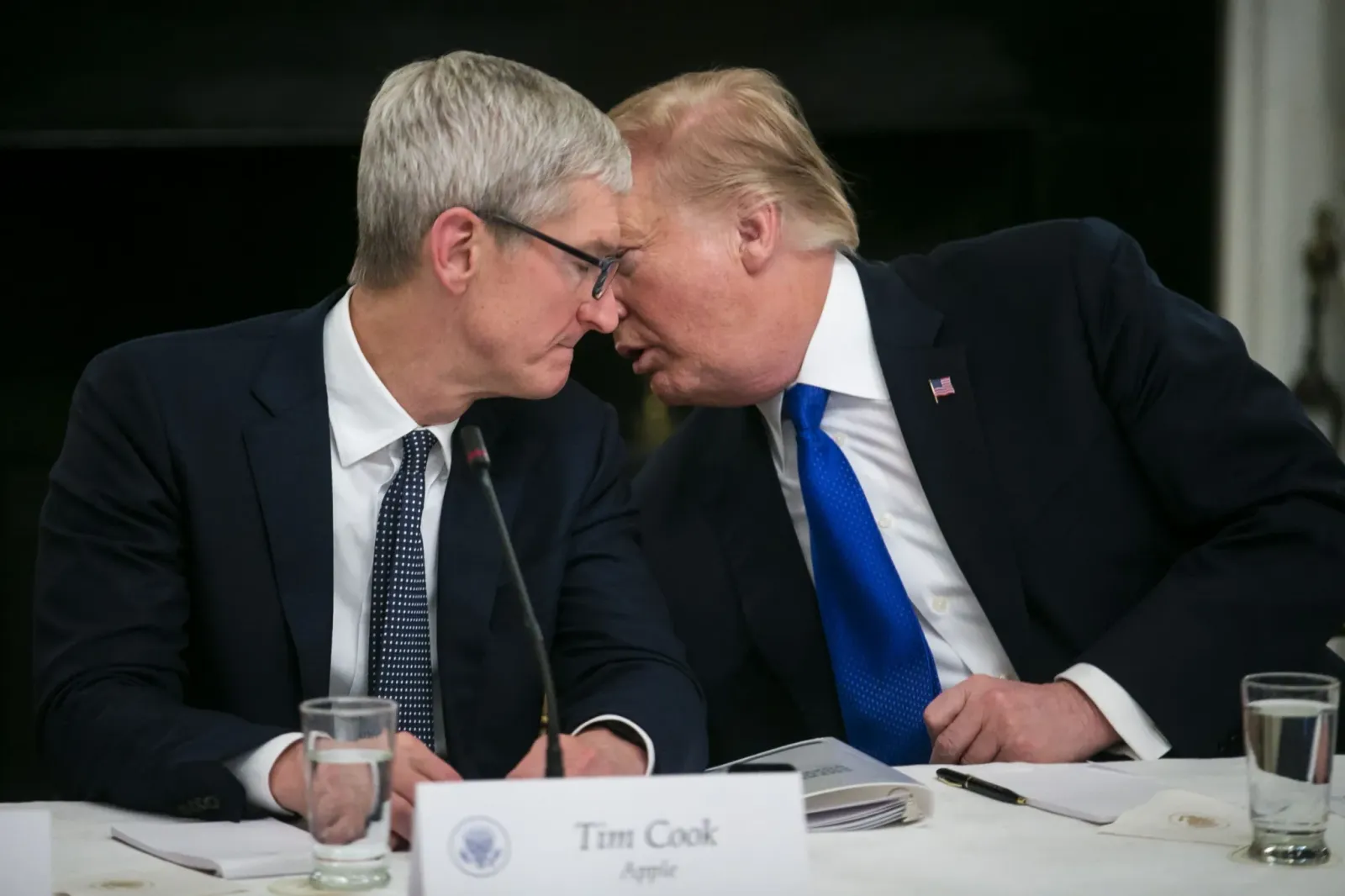
Tim Cook steps down as Apple CEO, stays on as chair with $45M equity
The 'Trump whisperer' keeps his White House and Beijing access as Apple navigates tariffs and a $4.6 trillion market cap.

Snowflake shares surge as AI data demand crushes estimates, lifting full-year forecast
Stocks jumped on stronger-than-expected guidance, signaling enterprise AI workloads are accelerating faster than Wall Street priced in.
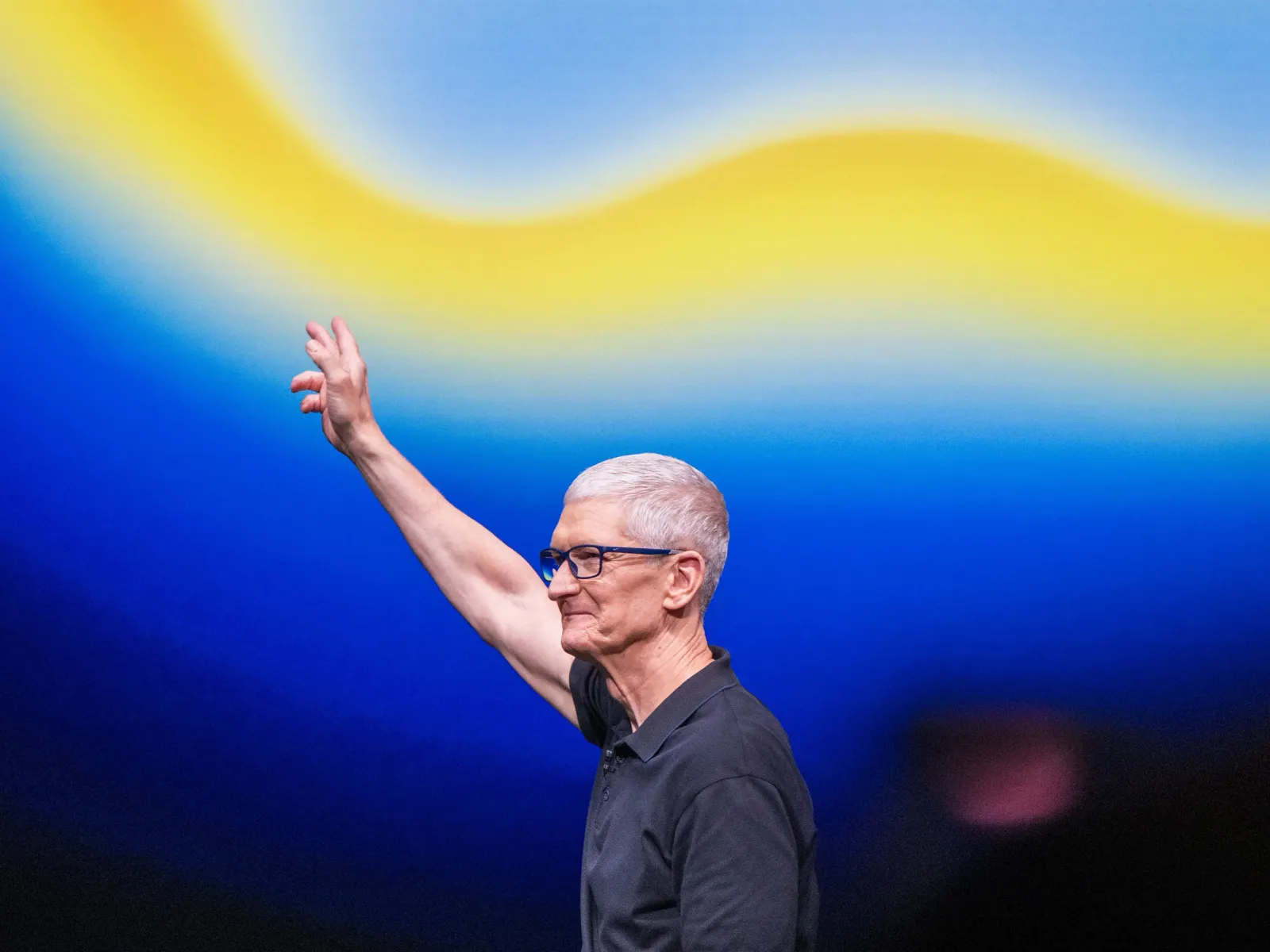
Tim Cook's 15-year Apple CEO run ends: 3 lessons for any successor
After 15 years, Tim Cook hands Apple to John Ternus - here's how he turned a $350B company into a $4.6T juggernaut.