

Toyota will retrofit used cars with latest safety tech for buyers in Japan
The move brings newer safety features to the secondhand market, reshaping how regulators and automakers think about risk.
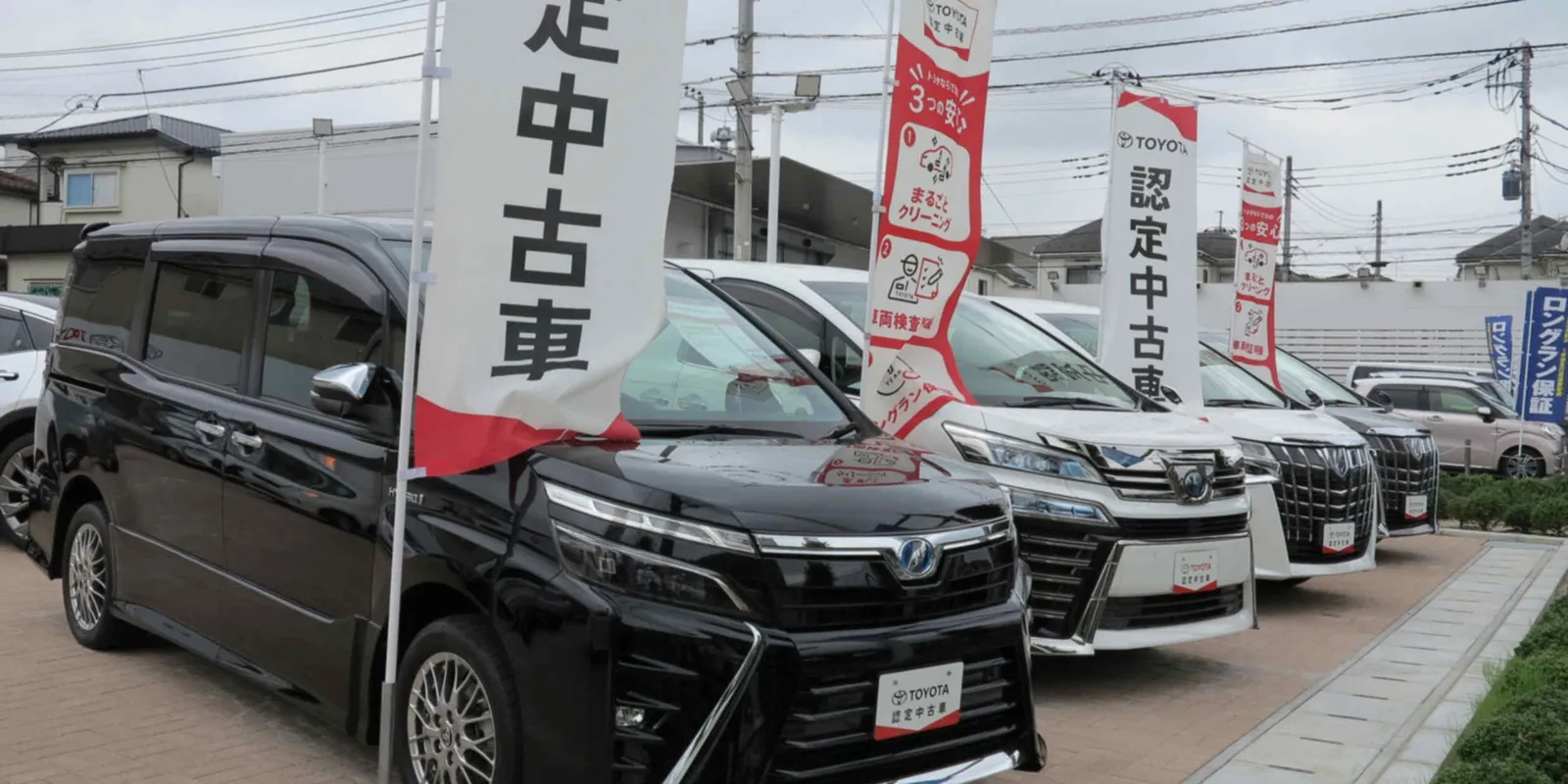
Toyota is offering used-car buyers retrofitting of the latest safety features in Japan. Executives should watch how this changes compliance expectations, warranty exposure, and competition in the used-car supply chain.
Toyota is taking aim at a problem that usually gets worse, not better: the safety gap between brand-new cars and the used vehicles most people actually buy. According to Nikkei Asia, Toyota is offering used-car buyers retrofitting of the latest safety features, effectively upgrading older models with newer tech after purchase rather than only before sale.
Here is why this matters right away. If you are a car buyer in Japan, the used market is where many households end up, either for budget reasons or because they want a proven model. Toyota's retrofitting offer is a direct attempt to reduce the safety penalty of buying secondhand, making “newer safety” a post-sale option instead of something locked behind showroom pricing. For decision-makers, it also signals something bigger: automakers are starting to treat safety upgrades as part of their long-term product relationship, not just a factory-only promise.
To understand the incentive, look at how automotive safety is regulated and adopted. Safety standards and scoring frameworks evolve over time, and newer vehicles typically benefit first. Older cars may remain on roads for years, meaning that the overall risk profile of the fleet depends not only on new sales, but on the rate at which older vehicles are improved. A retrofitting program is one way to influence that fleet-level outcome without waiting for replacement cycles to do all the work.
There is also the business logic. A used-car retrofit program can shift how value is created across the ownership lifecycle. In a typical setup, automakers focus on new vehicle margins and brand positioning, while used-car operators focus on resale flows. By offering retrofits to used buyers, Toyota blurs that boundary. It can make Toyota cars more attractive at resale, strengthen buyer confidence, and potentially improve retention of loyal customers who do not buy new.
At the same time, Toyota is stepping into operational and commercial complexity. Retrofitting requires compatible hardware, installer capacity, quality control, and a clear sense of what “latest safety features” can realistically mean for different models and trim levels. The second-order effect for executives is not just the engineering challenge. It is the aftersales ecosystem challenge, including parts sourcing, scheduling, and how liability is managed when safety-related systems are modified outside the original manufacturing line.
Regulators and safety advocates care about outcomes, not marketing. Retrofitting can be framed as fleet improvement, potentially helping address concerns that used vehicles lag behind current safety expectations. Even when formal regulations do not mandate upgrades for in-service cars, public pressure and policy direction can still move the market. When a major OEM like Toyota offers retrofits, it raises the question for competitors: will customers come to expect similar upgrade paths, or will other brands see this as an opportunity to differentiate on “upgradeability” rather than only on original equipment?
For boards and CFOs, the strategic stakes are twofold. First is risk. Safety technology is tied to higher scrutiny, and any program that modifies critical systems can create reputational and financial exposure if quality or performance varies. Second is capital allocation. The investment is spread across parts, training, and logistics, and it may not show up as immediate new-car demand. But if it strengthens used values or increases share of wallet among secondhand buyers, it could become a durable lever in a market where new vehicle growth can be cyclical and where used inventory is often the real volume engine.
If you are running an automaker, a supplier, or even a used-car marketplace, Toyota's move is a reminder that “after the sale” is no longer a back office function. Safety is moving into that territory. The used-car market is where policy meets purchasing power, and Toyota is betting that retrofitting can reduce a gap that would otherwise persist for years. The question for everyone else is not whether retrofits are possible. It is whether this becomes a competitive norm, forcing others to match in order to avoid falling behind on perceived safety even when the vehicle is no longer new.
This story's Key Insights and Take-aways are locked.
Create a free account to unlock Executive Actions for one credit.
Register to UnlockAlways free for Executives Club members. Join the Club
More in Business

Anthropic’s Levant Alpöge cracks the Jacobian conjecture after 87 years
A Harvard valedictorian used Claude to hit a 1939 breakthrough, but the missing “why” is the real problem.

Uber buys Delivery Hero for nearly $15B, vaulting to top food delivery outside China
The deal doubles Uber's dual-services footprint and pushes a ride-and-eats bundling play into 50 more markets.

Epic and Google drop settlement bid, forcing rival Android app stores by July 22
Google told the court it is ready to carry third-party app stores starting Wednesday, July 22.