
Trump Announces US Majority Stake in Venezuela's 65B Barrel Oil Reserves
The surprise deal, brokered by Rubio and Hegseth, could reshape global oil markets - but key terms remain unclear.

President Donald Trump announced Friday that the US will take majority control of Venezuela's 65 billion barrels of proven oil reserves under a new agreement with interim president Delcy Rodríguez. The deal, brokered by Secretary of State Marco Rubio and Defense Secretary Pete Hegseth, could dramatically shift energy supply chains, but its terms are still under wraps.
President Donald Trump dropped a geopolitical bombshell Friday, announcing that the United States will assume majority control of Venezuela's 65 billion barrels of proven oil reserves. The agreement, struck with Venezuela's interim president Delcy Rodríguez, was revealed on Trump's social media platform, with the president crediting Secretary of State Marco Rubio and Defense Secretary Pete Hegseth for brokering the deal. While the exact terms remain undisclosed, the sheer scale of the reserves - among the largest on Earth - makes this a potential game-changer for global energy markets.
Venezuela has long sat atop the world's largest proven oil reserves, yet its output has cratered over the past decade due to mismanagement, corruption, and crippling US sanctions. The country's oil industry, once producing over 3 million barrels per day, now struggles to pump a fraction of that. For the US to take majority control would represent an unprecedented reversal of fortune - transforming a sanctioned pariah state into a key supplier for American energy security. But the announcement raises immediate questions: How will this work operationally? Who gets the revenue? And what happens to the existing contracts with Chinese and Russian firms that have propped up Venezuela's oil sector?
The involvement of both Rubio and Hegseth signals that this is not just an economic deal but a strategic one. Rubio, a longtime hawk on Venezuela, has consistently pushed for regime change in Caracas. Hegseth's presence suggests a security dimension - perhaps protecting US assets or countering Chinese and Russian influence in the region. The Pentagon's role in a commercial oil agreement is unusual, hinting that the deal may come with military guarantees or that the US is preparing to secure the infrastructure by force if necessary. That alone could escalate tensions with Maduro loyalists and regional allies like Cuba and Nicaragua.
For global oil markets, the implications are immediate and profound. If the US gains effective control of Venezuela's reserves, it could unlock a massive new supply source, potentially easing price pressures and reducing OPEC's influence. Analysts will be watching whether this leads to a relaxation of sanctions, which would allow US companies to invest in reviving production. However, the transition will not be smooth. Venezuela's oil infrastructure is dilapidated, requiring billions in investment and years of work to restore meaningful output. The deal's financial structure - who pays for rehabilitation, how profits are split - remains a black box, and that uncertainty could spook investors.
Geopolitically, this is a stunning pivot. The US has spent years trying to isolate Venezuela's government, recognizing opposition leader Juan Guaidó as interim president until recently. Now, Trump is embracing Rodríguez, a figure closely associated with the Maduro regime, as the legitimate interim leader. That shift could fracture the opposition, confuse allies, and give Maduro a lifeline if he is cut out of the deal. It also sends a signal to other sanctioned nations: the US is willing to do business with adversaries when the prize is big enough. Russia and China, both deeply embedded in Venezuela's oil sector, will not simply walk away - expect legal battles and diplomatic pushback.
For energy companies and investors, the announcement is a double-edged sword. On one hand, access to 65 billion barrels of reserves is a once-in-a-generation opportunity. On the other, the legal and political risks are enormous. Existing contracts with foreign firms, unresolved debts, and the threat of future sanctions reversals could turn this into a quagmire. Boards will need to weigh the potential upside against the very real possibility of expropriation or political collapse. The deal's success hinges on details that have not been made public - and in the oil business, the devil is always in the details.
The announcement also raises questions about the US government's role in commercial ventures. If the state is taking a majority stake, is this nationalization by another name? Or is it a temporary measure to stabilize production before handing over to private companies? Trump's language suggests a direct US government interest, which could set a precedent for other resource-rich countries. That might worry free-market purists, but it could also be a pragmatic response to China's state-led energy deals across the developing world.
As the dust settles, one thing is clear: this deal, if it materializes, will redraw the energy map. The US, already the world's top oil producer, would add a massive new reserve base to its portfolio. That could weaken OPEC's grip, strengthen American leverage over adversaries, and reshape the global balance of power. But the path from announcement to actual barrels is fraught with obstacles - legal challenges, political opposition, and the sheer physical task of reviving a broken industry. For now, the world waits for the fine print, and the markets will react to every twist. The only certainty is that nothing about Venezuela is ever simple.
This story's Key Insights and Take-aways are locked.
Create a free account to unlock Executive Actions for one credit.
Register to UnlockAlways free for Executives Club members. Join the Club
More in Business
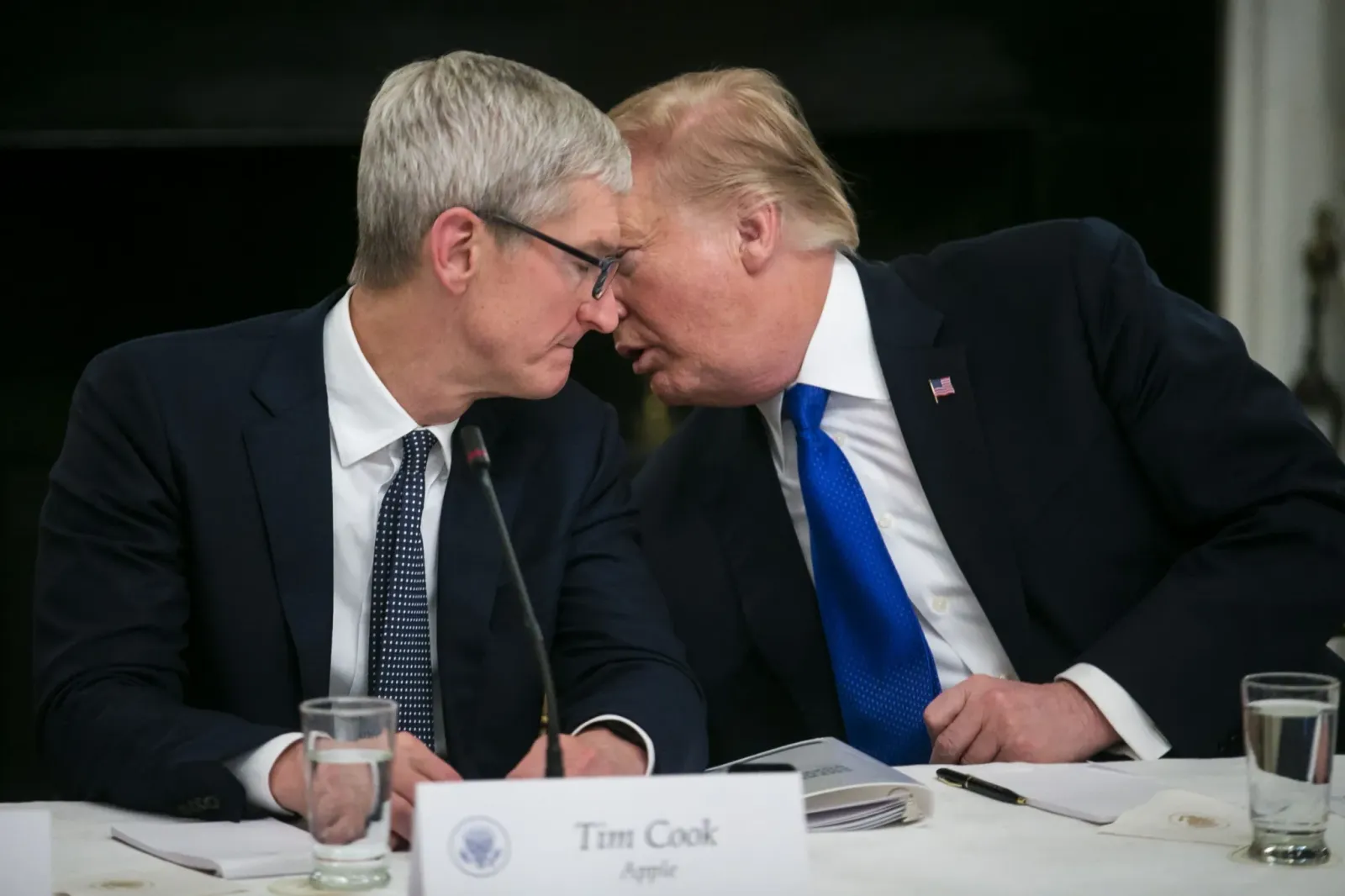
Tim Cook steps down as Apple CEO, stays on as chair with $45M equity
The 'Trump whisperer' keeps his White House and Beijing access as Apple navigates tariffs and a $4.6 trillion market cap.

Snowflake shares surge as AI data demand crushes estimates, lifting full-year forecast
Stocks jumped on stronger-than-expected guidance, signaling enterprise AI workloads are accelerating faster than Wall Street priced in.
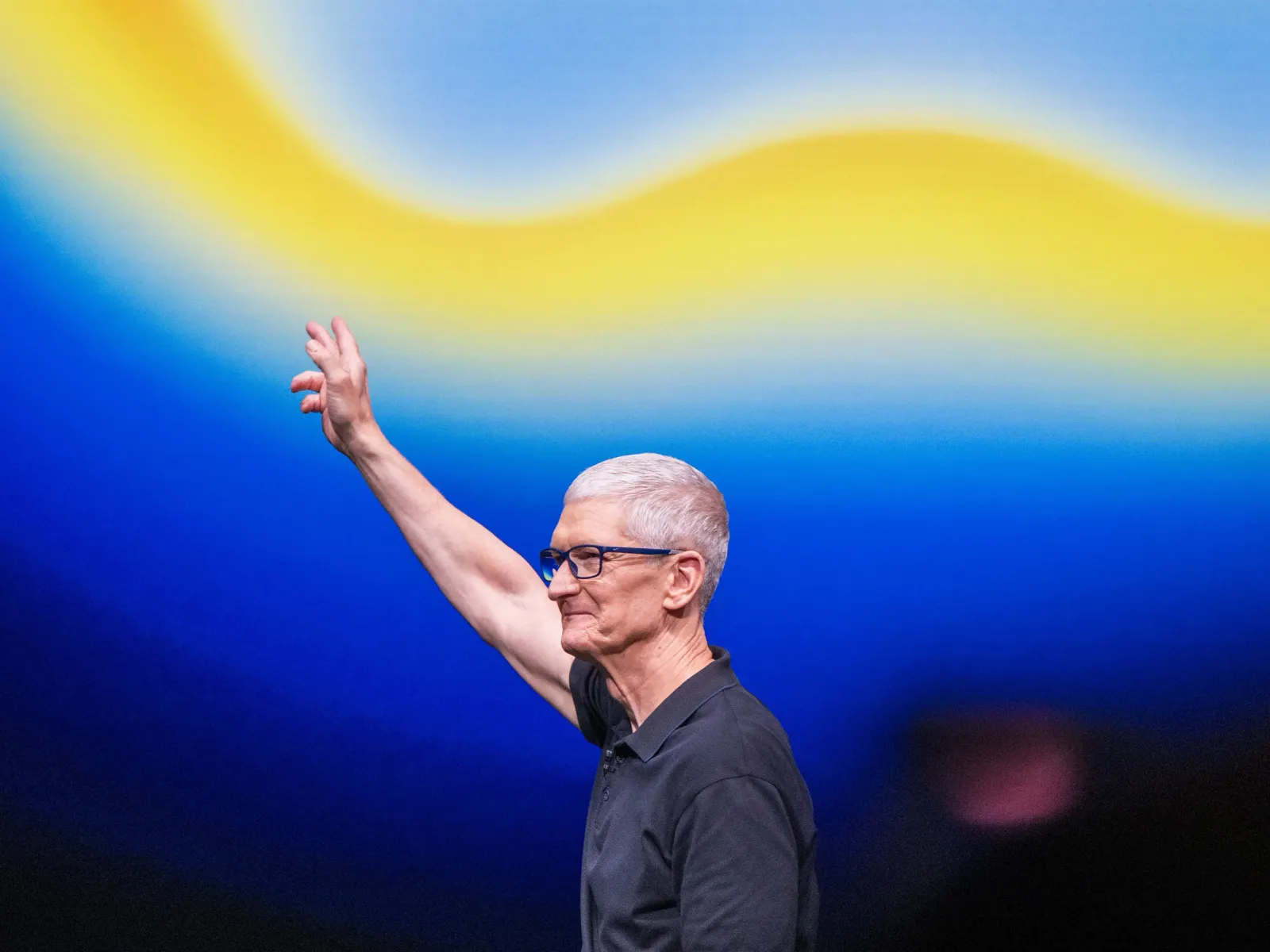
Tim Cook's 15-year Apple CEO run ends: 3 lessons for any successor
After 15 years, Tim Cook hands Apple to John Ternus - here's how he turned a $350B company into a $4.6T juggernaut.