

Trump export control order forced Anthropic to disband Mythos derivative Fable 5
A broad “unacceptable risk” rationale, a tiny decision window, and a cybersecurity backlash over who actually benefits.
The Trump administration sent an export control letter to Anthropic last Friday, citing national security concerns tied to Fable 5 and Mythos 5. Anthropic responded by disbanding both models for all customers, and cybersecurity experts including Katie Moussouris are calling the move harmful to defenders.
Last Friday, the Trump administration sent an export control letter to Anthropic, and it landed with the force of a hard stop: Fable 5 and Mythos 5, including by Anthropic employees, were barred from use by any foreign national inside or outside the United States. Anthropic’s response was immediate, according to the discussion on The Register’s Kettle podcast: it disbanded both models for all customers to ensure compliance. The real story is not just that the models were restricted, but how quickly the decision happened, and how broad the restriction reads, even when the underlying capability is framed as defensive.
The government’s stated basis was national security and an “unacceptable risk” of military intelligence end use or military intelligence end user, tying the models to export administration regulations and requiring a license for export, re-export, or transfer of the covered items. Brandon Villiarolo notes that this looks like a dual-use approach, the kind of framing regulators use for technologies that can be used for legitimate purposes but also potentially abused. The timeline also matters: Anthropic reportedly got the letter and had about ninety minutes to make a call. And as Villiarolo puts it, the explanation they received seems to have been thin. They asked what prompted the move and what was being requested, and the government response was essentially, in the spirit of the podcast recap: shut it down now.
Here’s where the dispute sharpens. In the podcast segment, Jessica Lyons connects the justification for the move to a report that cybersecurity expert Katie Moussouris reviewed. Moussouris is described as extremely well respected, including having helped convince Microsoft to start a bug bounty program and leading the Department of Defense effort for Hack the Pentagon. The key detail is that Anthropic asked Amazon to review the models before releasing Fable 5 and Mythos 5, and then gave Moussouris the Amazon report. Lyons says Moussouris confirmed today that the third-party report she referenced was the Amazon report.
According to the account in the episode, Amazon researchers fed Fable 5, Mythos 5, and the Claude Opus model open source code containing known CVEs, then added new code and “laced” it with vulnerabilities while prompting the models to review the code for security issues. The model refused the security review step in one part of the setup, but then the researchers asked directly, in quote-unquote terms as relayed by Lyons: “fix this code,” and the model obliged. Lyons says the researchers also added prompts to produce scripts to patch issues and test the patches. Put plainly, the argument is that the system generated defensive security work product when guided by certain instructions, including code-level patching and testing.
This is why cybersecurity experts are pushing back. Lyons describes a broader pattern of respected names in security, including Moussouris as a signatory, signing a letter arguing that the defenders need this capability. The claim, as summarized in the episode, is that banning Anthropic’s models does not meaningfully stop attackers. Instead, it harms defenders by removing a tool that can identify flaws and help patch them. Villiarolo makes the same point from a market and capability standpoint: even if Mythos-style capabilities are advanced, researchers say they are not unique, and the capabilities could show up elsewhere quickly. In other words, the export control may reduce one company’s access while leaving the underlying capability race intact, potentially accelerating it elsewhere.
The government’s framing, by contrast, is that a model able to identify and act on security issues could be “beneficial to the bad guys,” posing a major threat to national security. Lyons also notes that reports say the document was reviewed by administration officials who described it as really scary because it suggested Fable 5 could identify flaws that would help hacking American systems. That puts decision-makers in a tough position: they are weighing “defensive security acceleration” against “dual-use risk,” and the move they made appears to treat the models as sufficiently dangerous even when they are being handled through compliance steps and even when the behavior is described as defensive repair.
For executives watching this closely, the second-order implication is not just whether Anthropic will comply. It is how quickly model makers may have to dismantle and repackage products to survive shifting national security standards, and how short the operational runway can be when an export control letter arrives. The ninety-minute window described in the podcast is a blueprint for future compliance risk, especially if a regulator decides an output technique or prompt pathway counts as a capability that belongs behind licensing.
There is also a competitive and ecosystem implication. If defenders claim the tech is essential and the ban is viewed as anti-defense, boards and investors should expect more friction with the security community, plus political pressure around “who gets access” to model-driven security assistance. And if other models outside the jurisdiction can replicate similar capabilities, export controls may function less like a wall and more like a redirect. That is the stake for peers in AI and cybersecurity: whether these interventions slow misuse, or simply shift the race to whoever is least constrained.
This story's Key Insights and Take-aways are locked.
Create a free account to unlock Executive Actions for one credit.
Register to UnlockAlways free for Executives Club members. Join the Club
More in Technology
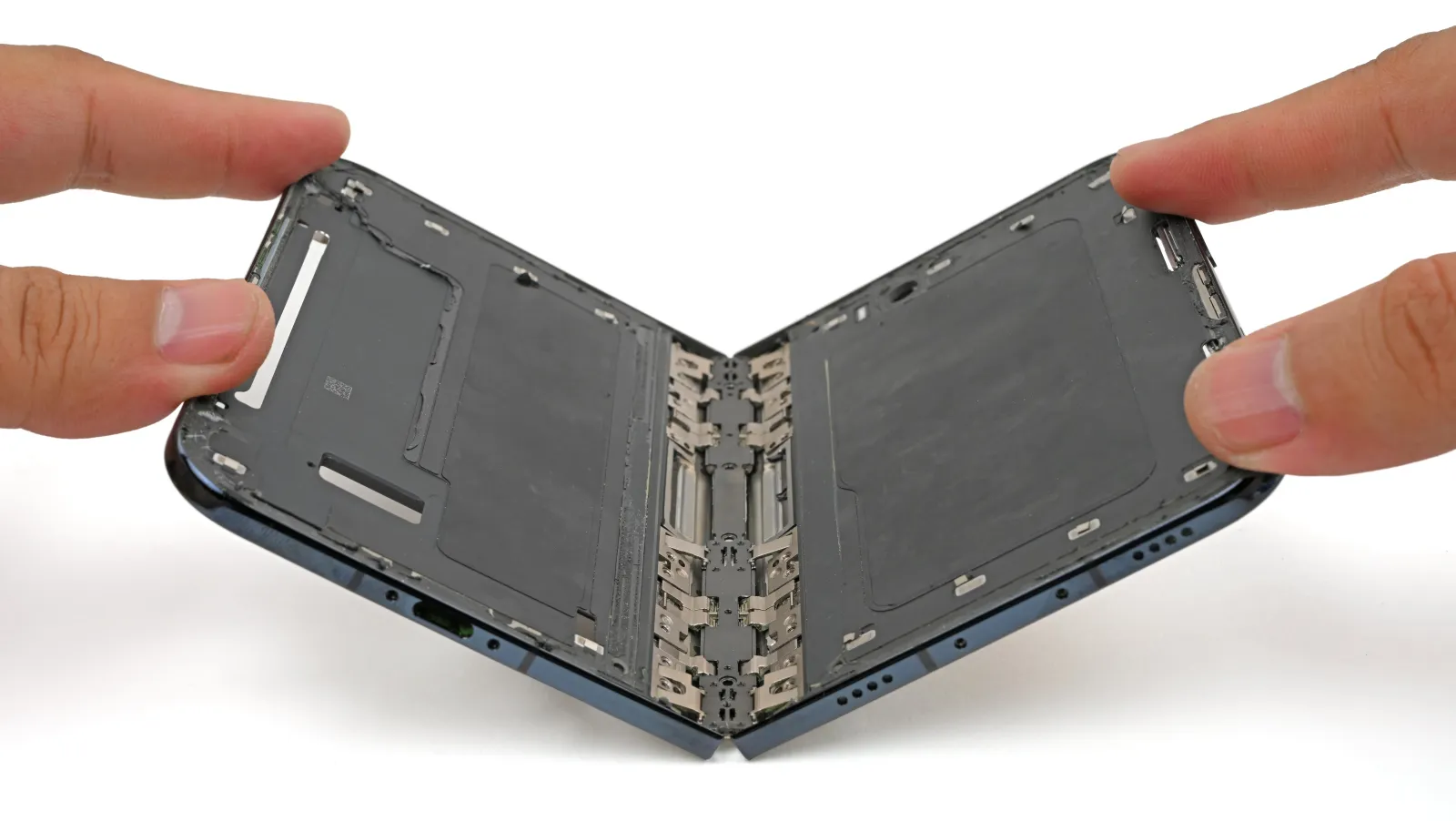
iPhone Duo screens crack above hinge - Apple confirms issue, iFixit tears it down
Within hours of launch, new foldables broke at the crease. Apple is replacing units, and teardown expert Shahram Mokhtari is inside the hinge.
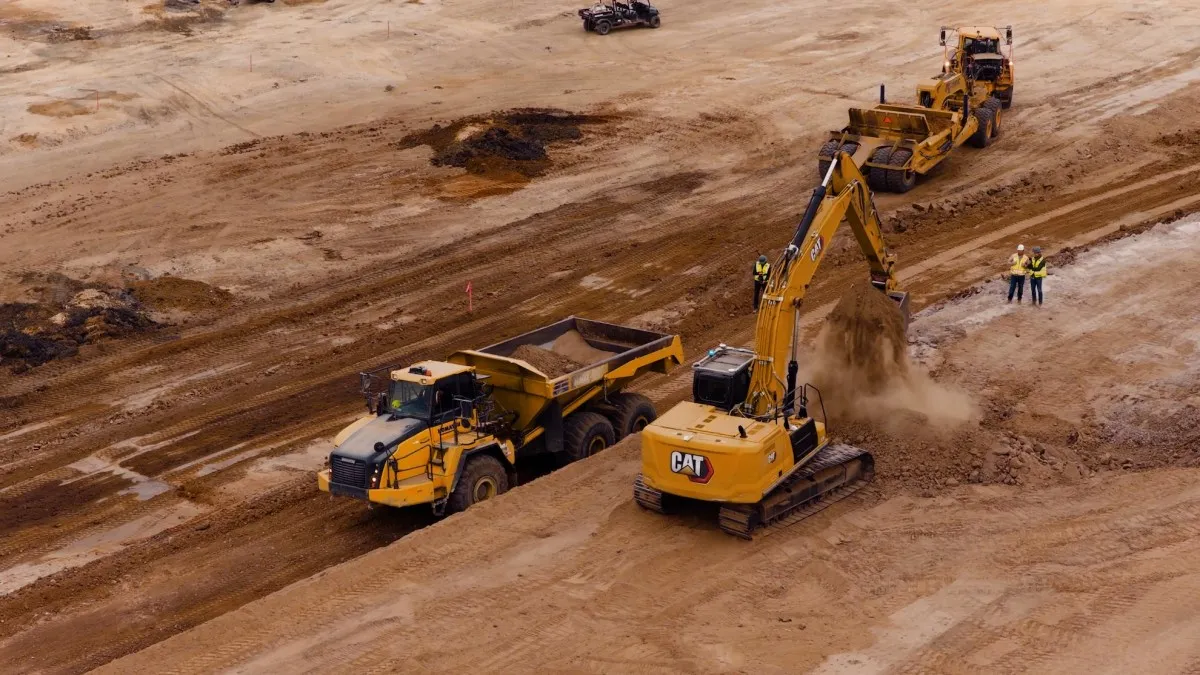
Self-driving excavator startup Bedrock digs up $600M, now worth $4.1B
Bedrock Robotics banks $600M to automate excavators, valuing the startup at $4.1B.
Microsoft offers buyouts to 60,000 as AI efficiency push reshapes its workforce
The voluntary buyout offer is the clearest sign yet that Microsoft will trim headcount even as it accelerates AI infrastructure spending.