

Trump forces replacement tariffs to start the day the old global tariff ends
The administration lined up tariffs across major trading partners to minimize any policy pause, and it matters for pricing, supply chains, and negotiations.

NPR reports that the administration timed a new set of tariffs on all of its largest trading partners to take effect at the same time the old, global tariff ended. For decision-makers, that scheduling choice affects how businesses plan costs and how leverage shifts in ongoing trade talks.
The administration is not letting the old global tariff expire in peace. According to NPR, it timed a new set of replacement tariffs on all of its largest trading partners to take effect at the exact moment the old, global tariff ended.
That timing is the whole story, because it eliminates a typical breathing space. Instead of a clear cutoff and then a renegotiation window, the policy transition is designed to be continuous: tariffs run, stop, and then immediately restart in a coordinated way across the biggest trading relationships. For executives, that means the cost shock is less likely to be “absorbed over time” and more likely to be “re-labeled and continued,” which changes how you model risk, budgeting, and supplier behavior.
To understand why that matters, remember what tariffs actually do inside companies and supply chains. They are taxes on imported goods. Even when the tariff rate targets specific categories, the economic effect tends to spread through procurement decisions: who you buy from, where you source components, and how quickly contracts can be renegotiated. If your forecasting assumes policy uncertainty is easing because one tariff regime is ending, a replacement set that starts immediately can blow up those assumptions. You do not just re-price products for the next quarter, you also re-think the contract terms you negotiated under the old regime.
There is also a regulatory and political layer. A tariff is a policy lever, and the administration’s scheduling choice signals how it wants the lever used. NPR’s framing emphasizes that the replacement tariffs were timed to coincide with the end of the old, global tariff. In practice, that suggests the administration wanted to avoid a gap that could have created room for exporters, importers, or governments to push for delay, carve-outs, or alternative arrangements while the old rules were “gone.” When the rules end and then nothing happens, negotiations can reset. When the rules end and new ones start immediately, negotiations still exist, but the playing field stays tilted.
For boards and leadership teams, continuity creates a different kind of governance problem. Companies need to decide how much operational flexibility they truly have. If tariffs are about to continue seamlessly, then contingency planning has to focus less on “what if the tariff stops” and more on “what if the tariff regime hardens.” That includes working with procurement on renegotiation timelines, checking whether key suppliers can pass through costs, and evaluating whether inventory and logistics strategies help or hurt when tariffs become persistent rather than temporary.
It also affects cross-border counterparties and the second-order dynamics around pricing power. Importers facing ongoing tariffs often look for ways to shift costs internally, such as raising prices, altering product specs, or using alternative suppliers. Exporters, on the other side of the trade relationship, may respond by adjusting shipping patterns, changing contract structures, or lobbying their governments for countermeasures. Because NPR’s report highlights that “all of its largest trading partners” are included in the replacement tariffs, the ripple effect is broad. That breadth matters for executives because it reduces the odds that a single supplier swap will solve the issue. When every major partner is in scope, the options shrink.
Finally, this kind of tariff sequencing is not just a trade policy story. It is a macro story for markets too. The immediate start date can influence expectations about inflation pressures, cost structures, and margins across sectors exposed to imported inputs. Even if the details of the tariffs are not spelled out in NPR’s excerpt, the business impact comes from the same mechanism: imported goods get more expensive, and that cost has to go somewhere. The more abrupt and continuous the tariff path, the more businesses need to rely on scenario planning that assumes costs stay elevated.
So for peers in similar roles, the strategic stake is straightforward. If you are CFO, planning through procurement and margin protection, you cannot treat the end of the “old, global tariff” as a relief event. NPR indicates the administration designed a transition with no policy lull by timing replacement tariffs to begin when the old regime ended. The executive task now is to model the next leg as a continuation, not a reset, and to pressure-test budgets, contracts, and supplier relationships for a world where the tariff clock never really stops.
This story's Key Insights and Take-aways are locked.
Create a free account to unlock Executive Actions for one credit.
Register to UnlockAlways free for Executives Club members. Join the Club
More in Politics
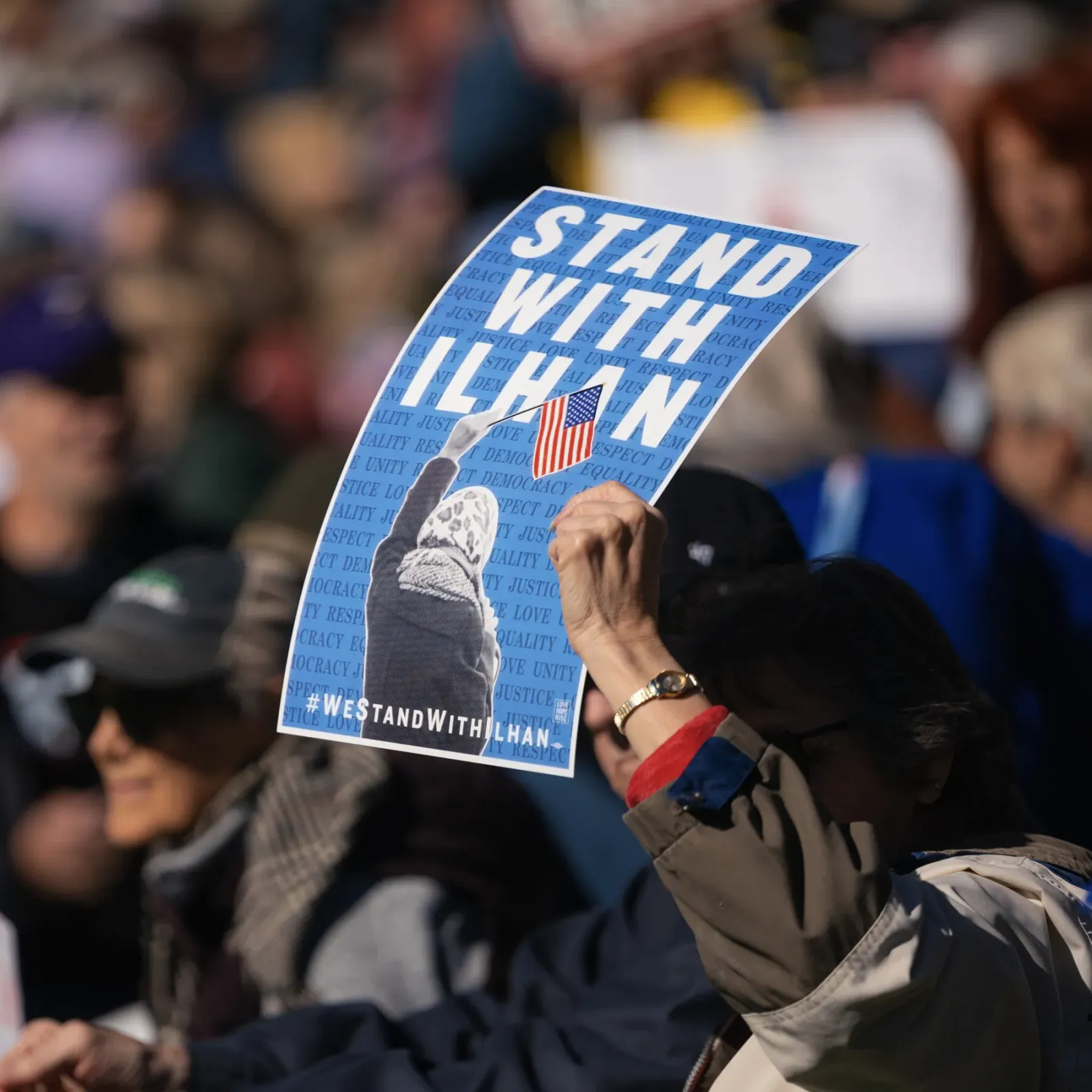
Obama Defends Ilhan Omar After Agents Search Her Home in Trump Inquiry
The former president's intervention raises the stakes in a federal probe into immigration paperwork that has put a prominent progressive lawmaker in the crosshairs.

Blair-era minister: cut welfare to fund youth job support
Alan Milburn's call for welfare cuts to fund employment support opens a Labour fight over benefits and the Neet crisis.
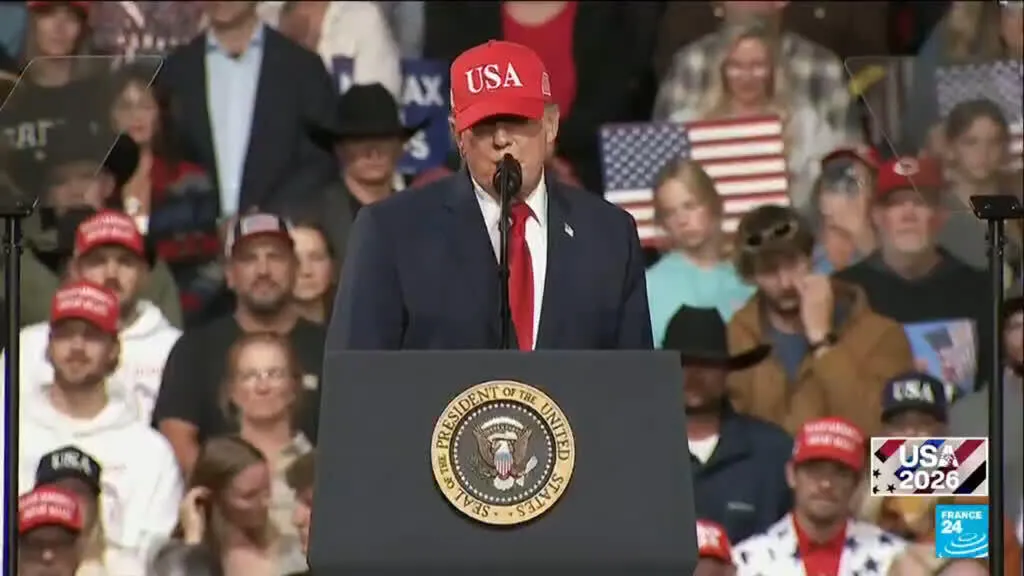
Hot September CPI: energy costs surge, voters feel the squeeze before midterms
The latest inflation print lands as Trump campaigns for GOP control of Congress, putting cost-of-living worries at the center of the midterm fight.