
Trump Mobile T1 “Made in USA” claim collapses: shipped HTC U24 Pro from Taiwan
A gold “American-made” handset pitch turned into a rebranded Taiwanese midrange phone, raising credibility and compliance questions.
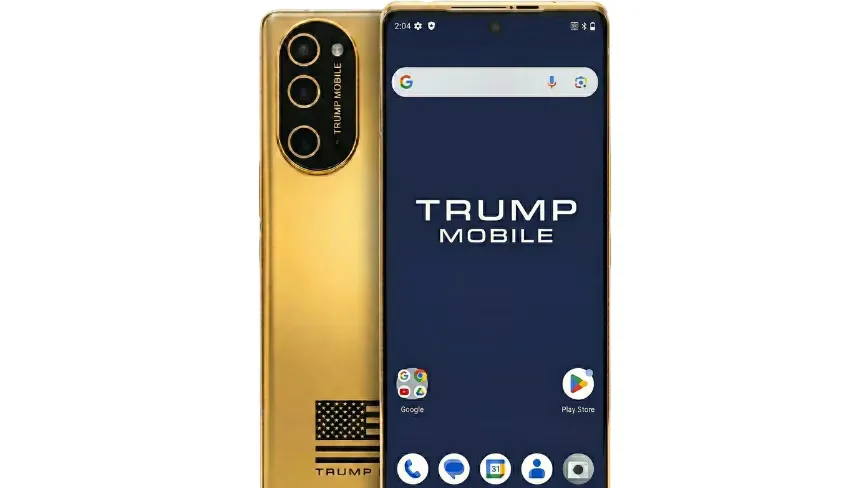
The Trump Mobile T1 debuted as a gold-colored, iPhone-like phone presented by Donald Trump’s eldest sons at Trump Tower. But the device that shipped is a rebranded HTC U24 Pro, a Taiwanese midrange phone from mid-2024, not a US-made product.
The Trump Mobile T1 is here, and it is not what was promised. A year after it was unveiled at Trump Tower by Donald Trump’s eldest sons, the pitch was a gold-colored handset with an iPhone resemblance, proudly made in the US. What shipped instead is a rebranded HTC U24 Pro, a Taiwanese midrange phone from mid-2024.
That reversal matters because it is not a minor product tweak. It is a mismatch between branding and sourcing. In other words, the T1’s “Made in America” framing meets an outcome where the underlying hardware is Taiwanese, and the device is best understood as a midrange HTC U24 Pro with Trump branding and a gold coat. If you are a decision-maker watching this, the signal is clear: the highest-impact claims in consumer launches are often the ones easiest to break, because they sit at the intersection of marketing, supply chain reality, and legal exposure.
To understand why this is such a big deal, zoom out to how consumer electronics typically work. Most phones are designed, built, and assembled through global supply chains, with “where it’s made” claims becoming a key part of a brand’s narrative. Companies often source components across multiple countries, and the final labeling can depend on manufacturing steps, assembly locations, and what qualifies for certain descriptors. That complexity is exactly why executives should treat origin claims like compliance-critical statements, not just slogans for a press moment.
Now add the political layer. The Next Web’s report positions the Trump Mobile T1 as something marketed not only as a phone, but as a symbol of manufacturing pride. When Donald Trump’s eldest sons unveiled it at Trump Tower with the US-made promise, the product story was doing double duty: selling a handset and reinforcing an identity. Once that identity gets baked into a consumer expectation, any divergence between promised and delivered sourcing becomes a reputational problem, not just a procurement one.
There is also an incentive problem hidden in plain sight. Launches like this create demand through narrative momentum. If you advertise a premium aesthetic and a US-made story, you effectively pre-sell the customer’s belief. Then the operational task becomes delivering on the entire package, including the hardest-to-change part: the supply chain. If the shipment is actually a rebranded HTC U24 Pro, then the supply chain outcome likely predates the branding, meaning the product narrative may have outpaced the procurement reality.
This is where boards and compliance teams should pay attention. Even without adding any new allegations beyond what The Next Web states, the facts describe a credibility gap: a “made in the US” pitch at unveiling contrasted with the shipped device being a Taiwanese midrange HTC from mid-2024. That kind of gap can trigger questions from customers, press, regulators, or consumer-protection bodies that care about deceptive advertising or misleading origin claims. Executives do not need to wait for a lawsuit to see the risk. Poorly supported claims can force costly reviews, scramble damage control, and turn a product cycle into a narrative cycle.
The second-order implication for peers is operational discipline. If you are leading a consumer hardware push, a “Made in America” headline is not a checkbox. It is a claim that must be auditable through the chain that determines where the phone is actually manufactured and how it earns its labeling. When a product is effectively a rebranded midrange model from a specific timeframe, executives should expect scrutiny over whether the origin message is grounded in the same reality as the bill of materials, assembly plans, and final production.
And for investors watching hardware startups or corporate-branded devices, this case highlights a pattern: the fastest-moving part of a launch is often the marketing, not the sourcing. When the brand promise is the product, any mismatch between promise and shipment can become a valuation issue, because it affects retention, regulator attention, and press coverage. The Trump Mobile T1 story is therefore less about one handset and more about what happens when a high-stakes origin narrative meets a globally sourced product in the real world.
This story's Key Insights and Take-aways are locked.
Create a free account to unlock Executive Actions for one credit.
Register to UnlockAlways free for Executives Club members. Join the Club
More in Technology

Nvidia's $89B data center quarter: the 9 companies cashing in
The AI buildout is minting fortunes beyond GPUs, and memory, cloud, and cooling suppliers are riding the same wave.
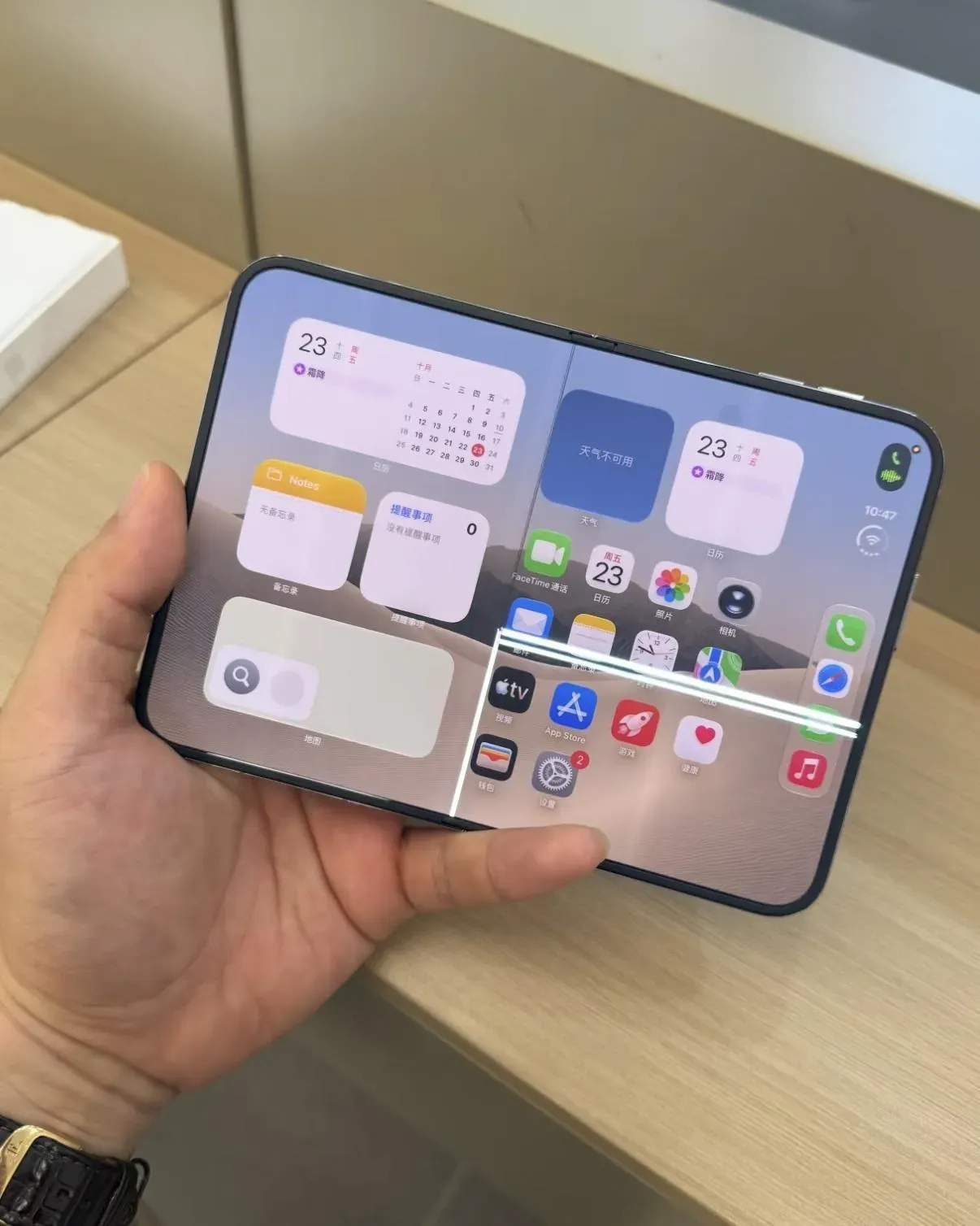
A YouTuber dissected the iPhone Duo and thinks he found crackgate's cause
CuriousHagi's teardown of Apple's foldable reveals a gear-like hinge that may explain why screens crack in the same spot within hours.

Google quietly links your phone number to every Android account on your SIM
Adding a SIM now ties your phone number to all Google accounts - and future accounts inherit it. Here's the security and privacy stakes.