

Trump vows US will take all of Venezuela's oil as 100-year deal terms emerge
The White House disclosed a 100-year lease giving a private firm 17 Venezuelan oilfields with 65 billion barrels, while the US takes a 35% equity stake and 20% of output.
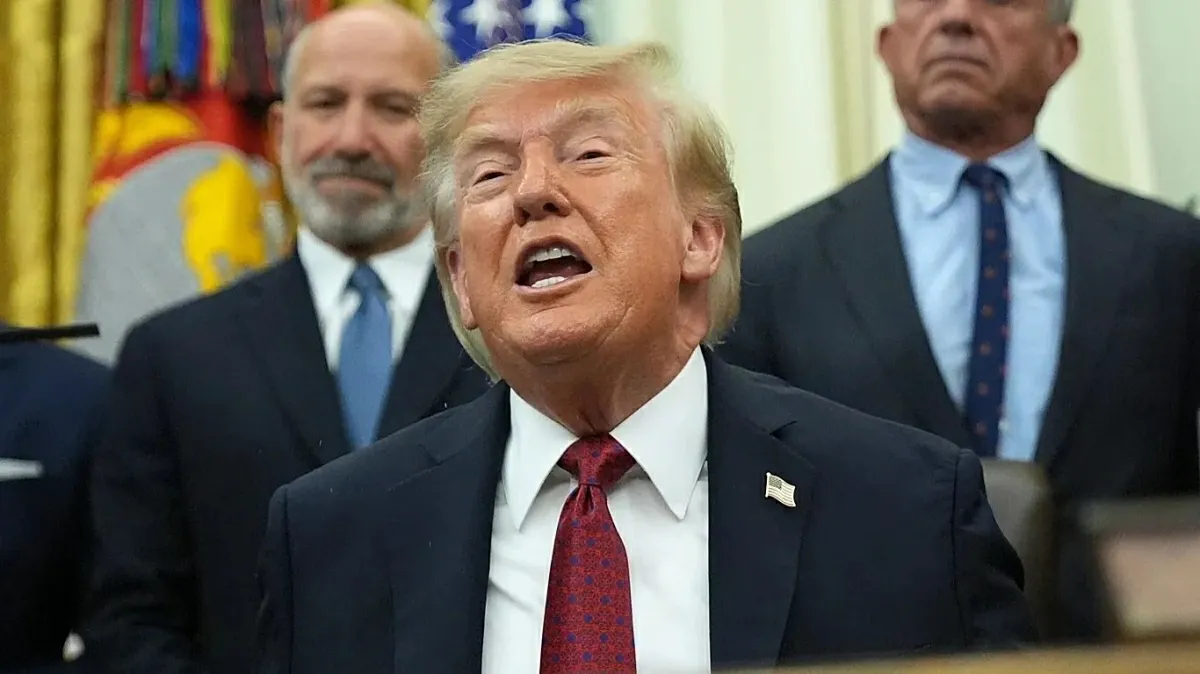
President Trump announced the US will take all of Venezuela's oil under a 100-year deal granting private firm NABEP 17 oilfields with 65 billion barrels, with the US taking a 35% equity stake and guaranteed 20% of production. The deal reshapes global oil supply and raises legal and competitive questions for American majors.
President Donald Trump vowed the US will "take all" of Venezuela's oil, and the White House has now disclosed the mechanics of the largest oil deal in history. A fact sheet released late Monday outlines a 100-year lease for 17 Venezuelan oilfields holding roughly 65 billion barrels, granted to private firm North American Blue Energy Partners (NABEP). The US government takes a 35% equity stake in NABEP's corporate parent, a guaranteed 20% of all production, and a right of first refusal on the remaining 80%, all at zero cost to taxpayers, according to the White House.
That 65 billion barrels dwarfs America's own proven reserves of about 46 billion, which is why Trump called the reserves "unbelievable value that was sitting dormant" in the Oval Office on Monday. The agreement, signed by Secretary of State Marco Rubio and Secretary of War Pete Hegseth, gives Washington veto power over board appointments and requires a majority of directors to be US citizens, with the deal falling under US law and courts. The US State Department also secures the right to buy 20% of output at production cost to help refill the Strategic Petroleum Reserve.
The deal is structured through NABEP, controlled by Venezuelan businessman Alejandro Betancourt, who has been investigated by US and European authorities over past dealings with the Venezuelan government but never charged and denies wrongdoing. NABEP currently produces between 170,000 and 200,000 barrels a day, making it the second-largest private operator in Venezuela behind Chevron. The company has committed to investing up to $100 billion in oil infrastructure and expects to pay around $200 billion in royalties and taxes over 25 years.
The White House frames the deal as a reassertion of the Monroe Doctrine, since most of the fields were previously run by Russian or Chinese firms. But the arrangement is causing unease among the very oil majors Trump says are queuing up. Exxon and ConocoPhillips both left Venezuela in 2007 after their assets were nationalized, and each says its requirements on legal certainty and contract sanctity remain unmet. Reportedly, majors negotiating their own contracts want assurances they will not find themselves seated alongside Betancourt.
The planned structure also raises concerns that American oil companies could face competition from the US government itself in Venezuela, according to sources familiar with the situation. That could add obstacles to Trump's goal of increasing Venezuela's oil output and exports to boost US reserves. Alejo Czerwonko, chief investment officer of emerging markets at UBS, said, "You would need sizable investment and know-how from the likes of Exxon and ConocoPhillips. How do you lure these companies into the country?" Radhika Bansal, senior vice president at Rystad Energy, noted "there's still a lot of unknowns and confusing elements."
The deal was negotiated without congressional involvement, and lawmakers on Capitol Hill said Monday they are seeking further information. Former US energy advisers have warned of political risk, since a future government in Caracas or Washington could challenge the terms. Venezuela's Acting President Delcy Rodríguez has backed the deal as a chance to modernize the industry, insisting the country cedes nothing of its sovereignty. Betancourt said Venezuela is "blessed with an abundance of natural resources, hardworking people and untapped potential," and the deal would "unleash that potential to the great benefit of both Venezuelans and Americans."
The strategic stakes are significant for executives and boards. The US government's direct equity stake in a foreign oil producer is unprecedented in modern times, and it could set a precedent for how Washington engages with resource-rich nations. For American majors, the question is whether they can secure contracts that offer the legal certainty they demand, especially with a government-backed competitor in the mix. The deal also signals a shift in US foreign policy, using private capital and government equity to secure strategic resources, which could have implications for other countries.
Whether the majors share the Trump administration's confidence should become clearer within days, when further energy contracts are due to be signed. The outcome will determine whether the US can actually boost Venezuela's output to refill its strategic reserves, or whether the deal remains a paper triumph with limited execution. For now, the 100-year lease stands as a bold bet on the durability of the current political alignment in both Washington and Caracas.
This story's Key Insights and Take-aways are locked.
Create a free account to unlock Executive Actions for one credit.
Register to UnlockAlways free for Executives Club members. Join the Club
More in Business
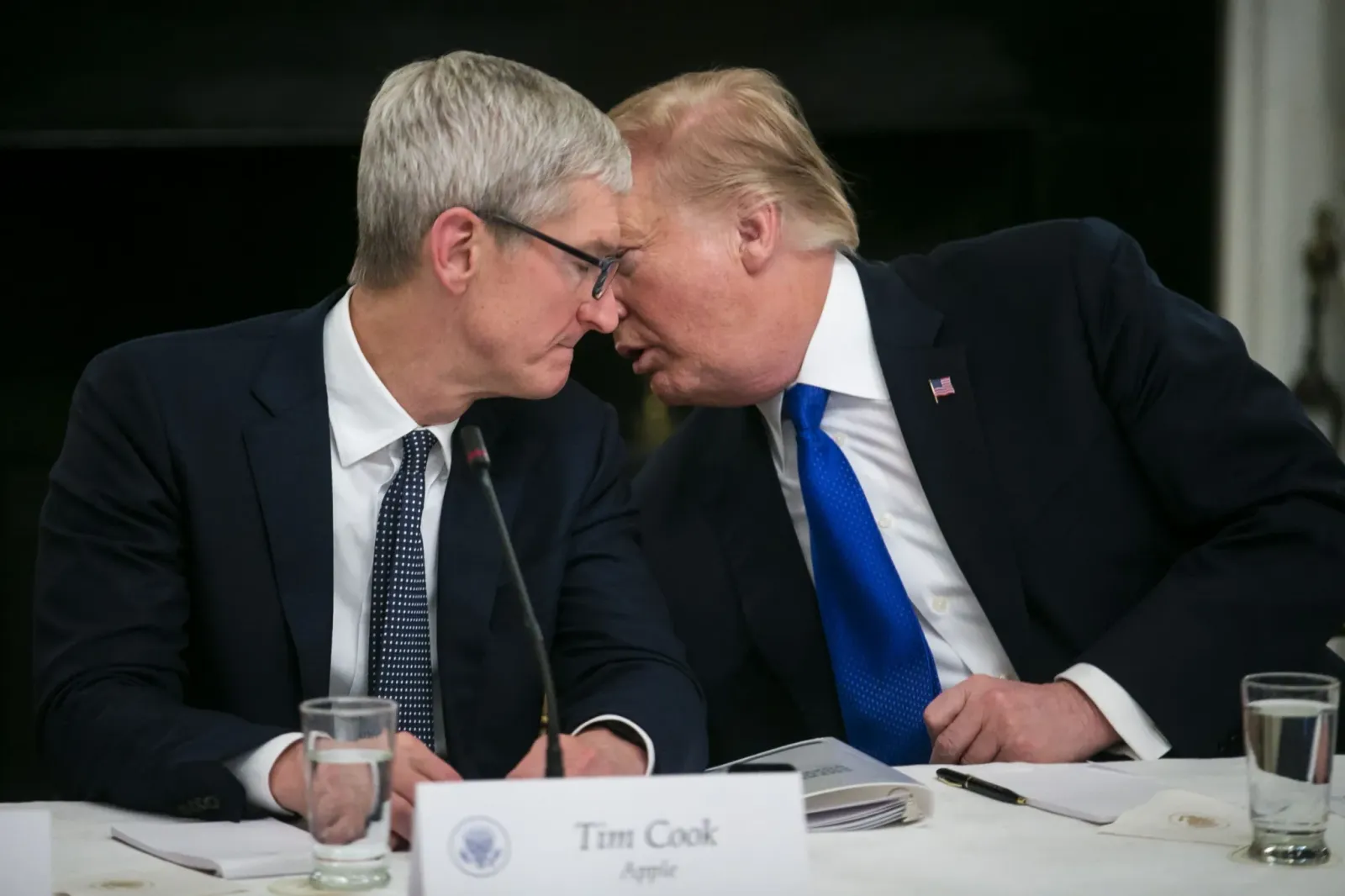
Tim Cook steps down as Apple CEO, stays on as chair with $45M equity
The 'Trump whisperer' keeps his White House and Beijing access as Apple navigates tariffs and a $4.6 trillion market cap.
Snowflake shares surge as AI data demand crushes estimates, lifting full-year forecast
Stocks jumped on stronger-than-expected guidance, signaling enterprise AI workloads are accelerating faster than Wall Street priced in.
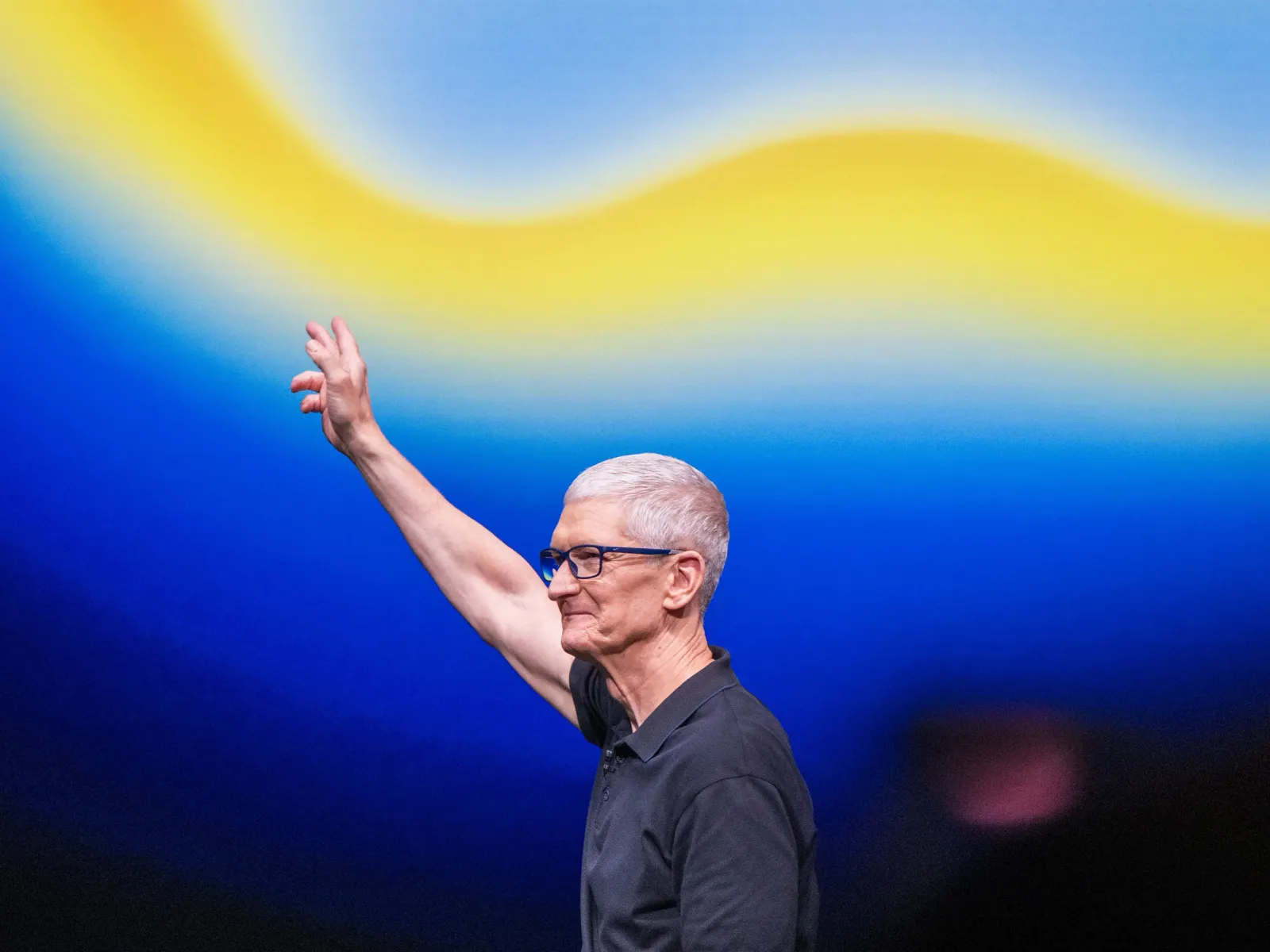
Tim Cook's 15-year Apple CEO run ends: 3 lessons for any successor
After 15 years, Tim Cook hands Apple to John Ternus - here's how he turned a $350B company into a $4.6T juggernaut.