
TSA blocks carry-on ranch, tells World Cup fans to check any bottle over 3.4oz
The agency’s latest Instagram joke doubles as a real reminder: sauces follow the same liquid limits at security.
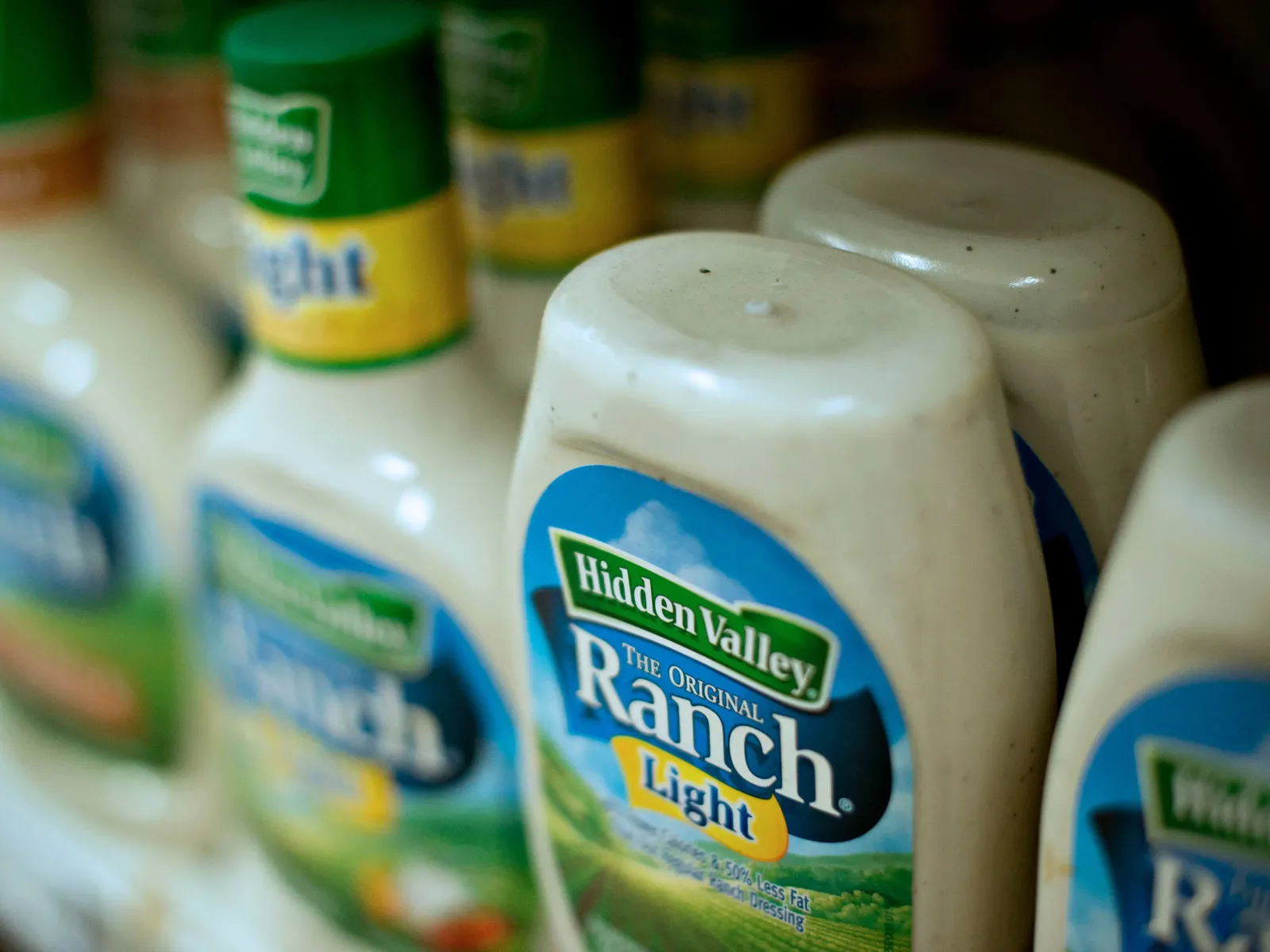
The TSA used an Instagram post on Wednesday to joke about foreign World Cup fans who arrived with oversize bottles of ranch dressing. The consequence is operational for travelers and compliance for airlines, because any sauce over 3.4oz must go in checked bags.
If you’re flying home from the World Cup, the TSA just made ranch dressing the main character at airport security. In a Wednesday Instagram post, the agency called out the “ranch craze,” while pointing people back to the basics of carry-on liquids. The core rule is blunt: keep your sauces in containers of 3.4oz or less, or you will be moving them from carry-on to checked.
The TSA’s message includes a caption that tells travelers, “avoid chugging your ranch outside security.” It also spells out what to do next: “If you're traveling within the US, make sure to keep your carry-on sauces to 3.4oz or less and place any larger containers in your checked bags.” The punchline is funny. The policy is not.
To understand why this matters beyond a meme, it helps to see the pattern. Airports repeatedly encounter liquids and food items that look harmless until they show up in a carry-on screen. Ranch dressing is simply the most relatable example right now, especially for international fans. The TSA’s post frames it as a discovered obsession by foreign World Cup travelers, but the operational reality is the same for any sauce that violates the “liquids in small containers” rule.
From a compliance standpoint, the TSA is also re-centering a rule that’s easy to forget when a condiment feels like “food,” not “liquid.” The agency’s own guidance for carry-on liquids says liquids must be in containers of 3.4 ounces or less, and all containers must fit inside a single quart-sized, resealable bag. Containers larger than 3.4 ounces need to be checked, even if they are not full. That last clause is important, because it kills the common workaround mentality. It is not about how much is left. It is about the container size.
The TSA post didn’t just warn people. It tried to shame the behavior with humor that is designed to travel. One image in the post reads, “Days since the last airport ranch incident: 0.” Another line emphasizes airlines will check larger bottles. Whether or not you care about ranch, this is a classic TSA tactic: reduce friction by using simple, repeated language that travelers actually remember. “Avoid chugging your ranch outside security” lands because it sounds like the kind of advice a friend would give. But behind the joke is the same goal the agency has for every security lane: keep screening predictable and reduce last-minute scrambles.
Second-order implications show up for anyone touching travel operations. Airlines and airport staff often absorb the downstream effects of mispacked carry-ons. When a passenger shows up with a container that exceeds limits, it can trigger forced disposal, gate agents getting pulled in, or last-minute bag checks. Even though the TSA is talking to travelers directly, the ripple flows to customer service lines and throughput. It is not hard to imagine how “ranch incidents” could become a seasonal micro-trend during major travel windows, especially if a specific product becomes a cultural import.
There is also a branding moment here. Hidden Valley, the brand widely credited with creating ranch dressing, joined the conversation in the comments with “I approve of this.” For executives watching the intersection of consumer culture and regulation, this is a reminder that compliance guidance can become public entertainment. The TSA’s post drew attention, and brands can quickly attach themselves to it. That can be helpful for awareness, as long as the regulatory message stays clear: smaller containers in carry-on, larger ones in checked.
For leaders across travel, payments, loyalty, and customer experience, this story is a low-cost signal of something bigger. Rules are stable, but behavior is dynamic. When a new “must-have” item becomes a trend, people will test boundaries. The TSA is responding fast with a public clarification rather than waiting for chaos to accumulate in terminals. The strategic stakes are simple: fewer surprises at security means smoother journeys for travelers and fewer operational headaches for the companies that support them.
This story's Key Insights and Take-aways are locked.
Create a free account to unlock Executive Actions for one credit.
Register to UnlockAlways free for Executives Club members. Join the Club
More in Entertainment

Russell Brand's accuser 'bewildered and confused' as he denies 7 sex charges
The criminal case against the comedian is a live test of how media companies manage talent risk when serious allegations go public.

'It's a Magic Trick': Ballet Experts Say Rosalía's SNL Pose Is Impossible
Three ballet experts tell Rolling Stone Rosalía's gravity-defying SNL stillness shouldn't be possible - and why the debate is now part of the show.

Activision CMO: GTA 6 Will Boost Call of Duty, Not Bury It
Activision's top marketer says Rockstar's blockbuster will drive players back to consoles and into Modern Warfare 4, even as the company admits its recent strategy failed.