

TSMC adds $100B to U.S. plan, lifting Arizona spending commitment to $265B
A new $100 billion pledge expands TSMC's Arizona buildout, moving the total to $265 billion for U.S. semiconductor capacity.
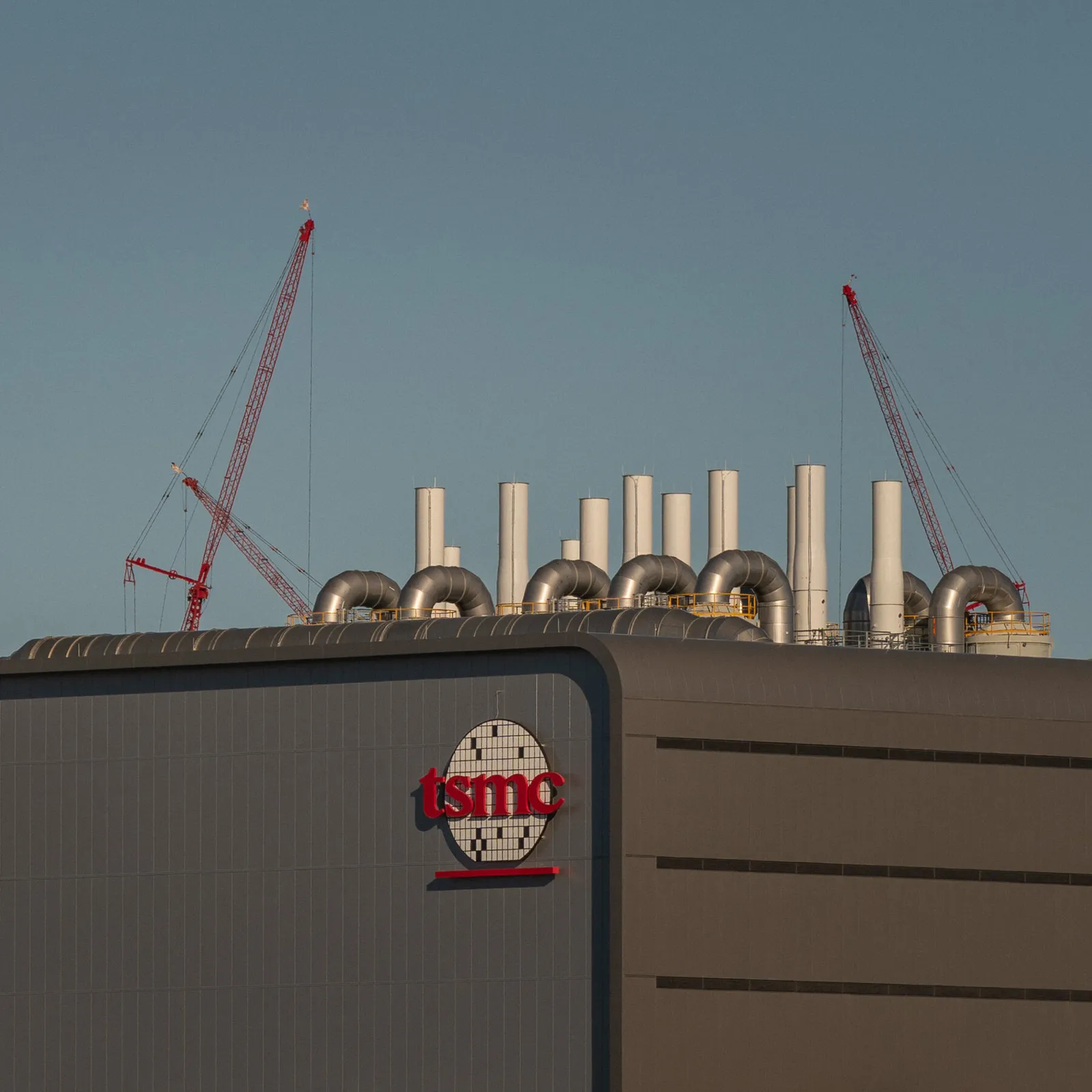
TSMC, the Taiwanese chip maker, added $100 billion to its U.S. spending plan, bringing its Arizona commitment to $265 billion. For decision-makers, the update signals faster scaling priorities for domestic chip manufacturing.
TSMC added another $100 billion to its U.S. spending plan, bringing its total commitment to its fast-growing Arizona operations to $265 billion. That is not a rounding error. It is a clear signal that the company is treating U.S. capacity expansion as a multi-year, high-capex race, not a trial run.
If you are an operator, investor, or board member, the key part is the direction of travel: the number is up, and it is up in a way that compounds. TSMC’s pledge, reported by The New York Times, raises the scale of what Arizona is supposed to become. And because TSMC is a foundational link in the semiconductor supply chain, scale announcements like this can ripple into everything around them, from equipment purchasing and construction timelines to longer-term planning for customers that depend on advanced chips.
To understand why $265 billion matters, you have to zoom out on how chip manufacturing works. Building leading-edge semiconductor capacity is capital intensive and timeline sensitive. You do not just “turn on” a new fab like a data center. You fund facilities, secure equipment, hire and train specialized workforces, and build the supporting ecosystem that makes output reliable. In that world, the size and continuity of a spending plan are often as important as the specific process node or product mix because they shape throughput and scheduling.
This is also why the U.S. framing is so consequential. Governments have been trying to accelerate domestic chip production as supply chains have repeatedly shown fragility, especially during periods of disruption and demand spikes. For companies like TSMC, committing big dollars inside a political and regulatory landscape can mean balancing incentives and constraints. It can also mean dealing with the realities of permitting, labor availability, power and water needs, and local infrastructure. When a company increases its pledge, it is effectively telling stakeholders that it believes the bottlenecks are manageable or solvable, and that the business case still pencils out.
There is another layer here for executives who think about strategic positioning. When TSMC pushes its U.S. plan from one major number to an even larger one, it tightens the competitive set. Advanced manufacturing capacity is scarce worldwide, so adding capacity in the U.S. changes how customers may think about geographic risk. It can influence procurement strategies, order timing, and the willingness of downstream firms to commit to longer-term partnerships.
It can also change board-level conversations about capital allocation. A $100 billion incremental pledge is a corporate commitment of the “we mean it” variety. Boards do not sign off on huge capex lightly, especially in an industry that can swing with the cycle of demand. The point for decision-makers is not that every dollar becomes immediately productive, but that the trajectory of investment sets expectations for years. It shapes planning across procurement, manufacturing operations, and supply chain resilience.
Second-order effects do not stay confined to TSMC. Capital flows to the companies that build and support the fabs. That includes equipment makers, construction and engineering firms, and the logistics and materials providers that make manufacturing possible. Even where individual beneficiaries are not named in the report, the category-level impact is real: more fab investment typically increases demand for specialized industrial capabilities.
So what should peers in similar roles take from this? The headline number is the headline number, but the strategic takeaway is the escalation itself. TSMC is moving to a $265 billion total commitment to Arizona by adding $100 billion to its plan. For executives tracking semiconductor capacity, industrial policy, and supply chain risk, this is a big, durable signal that U.S. manufacturing buildout is not slowing down. It is accelerating.
This story's Key Insights and Take-aways are locked.
Create a free account to unlock Executive Actions for one credit.
Register to UnlockAlways free for Executives Club members. Join the Club
More in Technology
Microsoft revoked Secure Boot permissions after ESET found a decade of shim bypass risk
ESET reported 11 vulnerable UEFI shims; Microsoft only revoked their permissions in a June patch release.

Proton CTO Bart Butler says encryption and user-paid revenue are the real privacy strategy
In a Decoder interview, Bart Butler explains why Proton builds trust into product architecture and corporate incentives.

EU regulators order Google to share more Android A.I. access with rivals
The ruling targets Google’s Android leverage, forcing broader interoperability so competitors can build A.I. without getting starved.