

Tucker Carlson breaks with Trump, says he will help build a third party
The split over the Iran war is now a political realignment bet, with major spillover risks for the GOP machine.
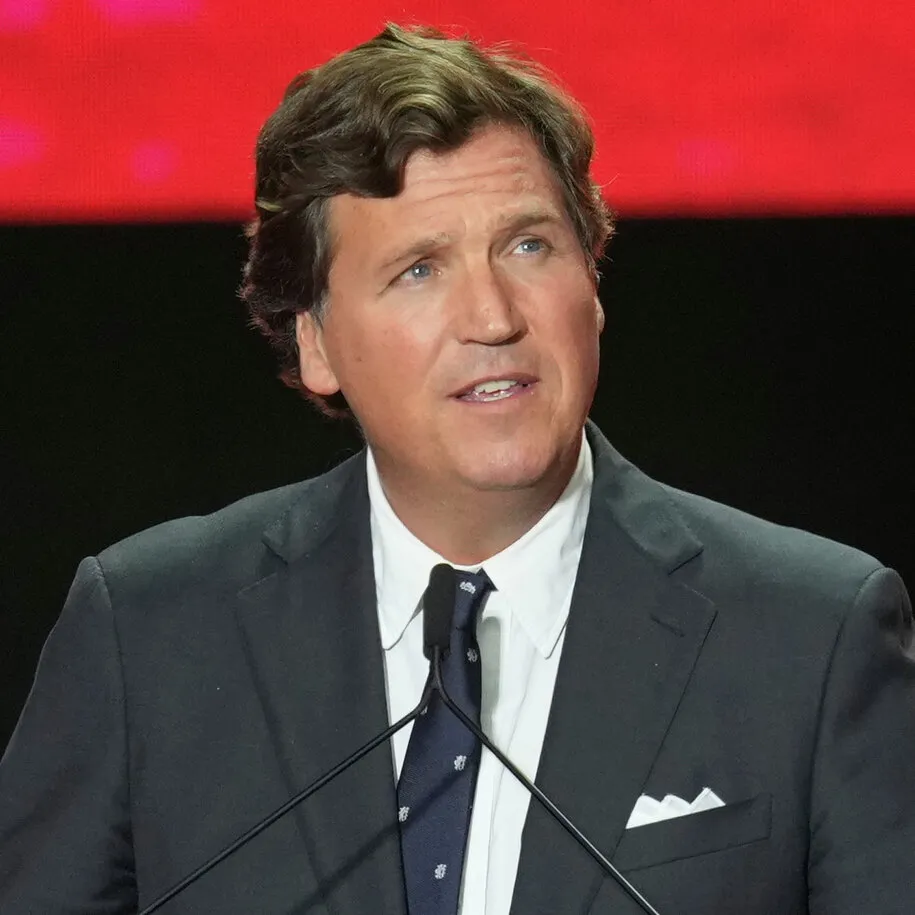
Tucker Carlson, the conservative commentator who broke with President Trump and the G.O.P., says he plans to help build a third party. The move signals a possible new funding and message battleground that decision-makers in politics and media cannot ignore.
Tucker Carlson is planning to help build a third party, after his relationship with President Trump and the G.O.P. fractured. The trigger, according to the account, was the war with Iran. Carlson is now “charting a new course,” which matters because it turns a personal political breakup into something closer to an institutional disruption.
In other words: this is not just a pundit changing his talking points. The source frames Carlson’s split as being rooted in the Iran war, and his next step as an effort to help create an alternative political vehicle. For executives who track political risk, brand risk, or media-driven influence, that is the headline. Third parties in the U.S. are hard to build and even harder to sustain, but their existence can scramble attention, funding, coalition math, and regulatory narratives, even when they start small.
To understand why this is consequential, you have to remember how modern U.S. politics behaves when factions harden. The G.O.P. and Trump world have operated like a high-speed coalition: message discipline, rapid response, and a tight feedback loop between activists, donors, and media. When a high-profile conservative figure breaks and signals an alternative build, it pressures that loop. It creates the possibility of audiences reallocating loyalty, not just opinions. And because Carlson is an influential conservative commentator, his audience is the kind of “distribution” that money follows.
There is also a second-order effect that tends to get overlooked: party systems are not only ideological, they are operational. They decide who gets access to donors, who gets invited to major events, which narratives become “common sense,” and how candidates are coached to avoid landmines. A third party effort, even in early stages, can force boards, campaigns, and media companies to think about contingency planning. Not in the dramatic sense of “the sky is falling,” but in the very practical sense of “what if our assumptions about coalition support are suddenly less reliable?”
The fact pattern described in the source links Carlson’s rupture to the war with Iran, which also highlights how foreign policy can become a faction separator inside domestic coalitions. When a conflict creates a moral and strategic fork, supporters split into different interpretations of what “strength,” “restraint,” and “strategy” mean. That can crack the consensus that holds a party together. If Carlson believes the existing GOP coalition is no longer aligned with his view on the Iran war, his “new course” becomes more than commentary. It becomes a political posture, and posture is what attracts organizers and money.
Third party initiatives also interact with the media ecosystem in a way that executives should treat seriously. Media influence affects turnout, donor confidence, and how quickly narratives travel. If Carlson helps build a third party, the strategy likely includes controlling the story about why the new vehicle exists and why it is different. That can become a competition over framing, where traditional party institutions may have trouble responding quickly because the dispute is not only about policy. It is about legitimacy: who gets to define the conservative future.
For companies that depend on political advertising, audience loyalty, or brand trust, this environment adds uncertainty. Political advertising markets can shift quickly when candidates, platforms, and fundraising channels change. Even if a third party is not immediately competitive in every race, it can change the composition of attention, which affects pricing and inventory for media outlets. Similarly, if donor networks split or create parallel fundraising streams, it can reshape what campaigns prioritize.
Finally, there are governance implications. Building a third party is not just a messaging project. It requires organizations, compliance, and operational discipline around election rules and political activity. Decision-makers in adjacent industries may not need to be experts on election law, but they should be aware that political realignments often trigger new legal and compliance considerations. The source does not provide details beyond Carlson’s plan, but the direction is clear: a fracture over a major foreign-policy dispute is turning into an effort to rewire how conservative influence is organized.
For peers watching from the executive level, the lesson is less about Carlson personally and more about what his move represents: when a powerful commentator breaks with both a sitting president and a major party over a high-stakes issue like the war with Iran, the incentives for others start to change. Audiences recalibrate. Donors assess risk and opportunity. Institutions decide whether to fight the narrative or absorb the shift. And if a third party effort gains traction, the GOP machine may have to operate under the uncomfortable possibility that not all conservative political energy will remain in-house.
This story's Key Insights and Take-aways are locked.
Create a free account to unlock Executive Actions for one credit.
Register to UnlockAlways free for Executives Club members. Join the Club
More in Politics

Glacial collapse, not rain, killed 180 in Nepal's Himalayan flood
The Himalaya's extreme geography hid the true cause of Nepal's catastrophic flood, a glacial collapse that turned a geological battleground into a mass-casualty zone.

Iran’s Esmail Baghaei says Oman talks start shipping via Hormuz, not US talks yet
Temporary route plans with Oman aim to restart commerce while Tehran says Washington dialogue is not on the table.
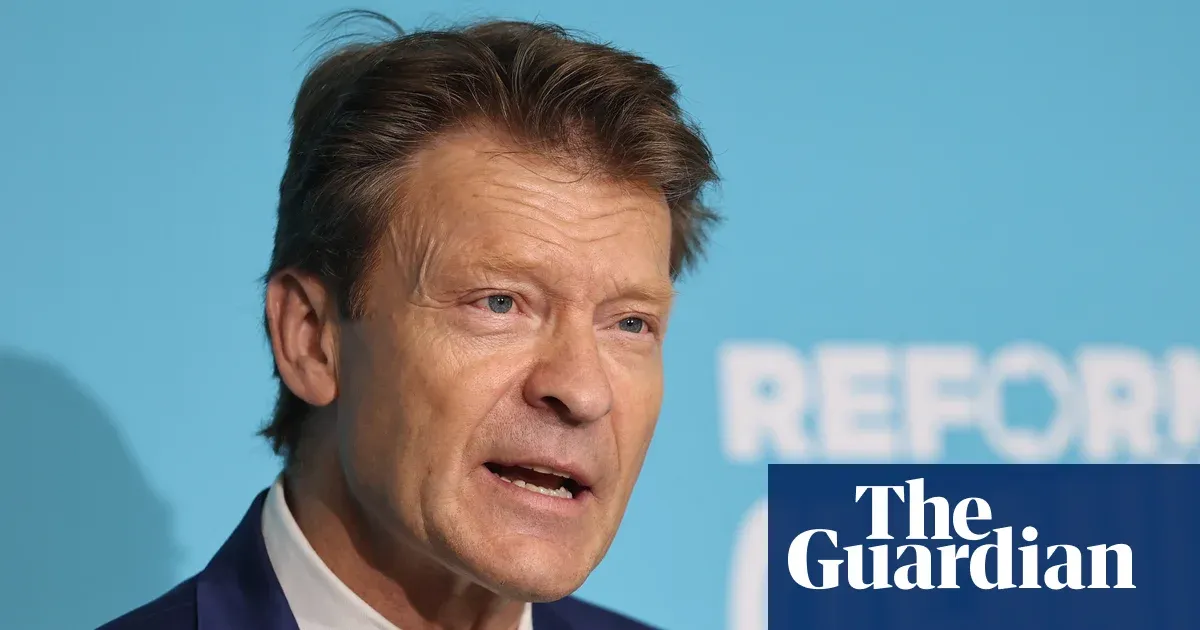
Standards watchdog opens probe into Reform UK deputy leader Richard Tice over interests
The parliamentary standards commissioner says it began an investigation on 28 July into a possible undeclared interest.