

Two weeks after deadly quake, Indonesian province now faces hunger and drought
Aid groups scramble as the disaster-stricken region struggles with food and water shortages.
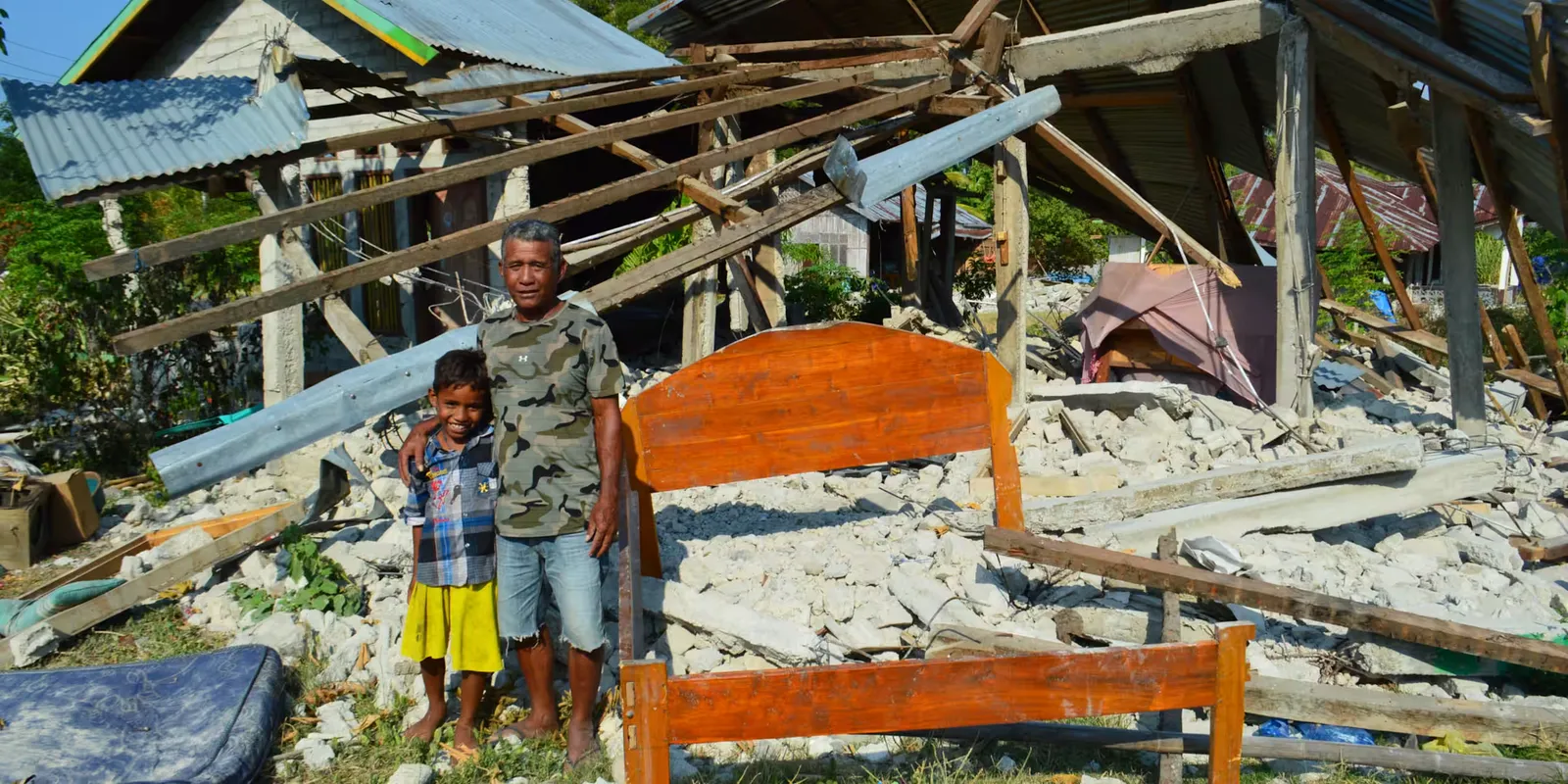
The Indonesian province, still reeling from a deadly earthquake two weeks ago, now faces a secondary crisis of hunger and drought. Relief efforts are being tested as the region's most vulnerable populations struggle to access basic necessities.
Two weeks after a deadly earthquake struck an Indonesian province, the region is now facing a second crisis: hunger and drought. The initial tremor, which claimed lives and leveled buildings, has given way to a slow-burning emergency as food supplies dwindle and water sources dry up. For the residents who survived the quake, the struggle is far from over.
The earthquake's destruction extended beyond homes and public buildings. Critical infrastructure, including roads, bridges, and water distribution networks, suffered severe damage. This has disrupted supply chains, making it difficult for food and other essentials to reach affected areas. At the same time, the province is experiencing an unseasonal dry spell, with rainfall well below average. The combination of damaged infrastructure and a lack of precipitation has created a perfect storm for shortages.
Local agriculture, already fragile, has been hit hard. Crops that were ready for harvest were destroyed in the quake, and the ongoing drought is preventing new planting. Farmers who lost their livelihoods are now dependent on aid. Markets that remain open are seeing prices spike, putting basic staples out of reach for many families. The most vulnerable, including children, pregnant women, and the elderly, are facing the highest risks of malnutrition and illness.
Humanitarian organizations and government agencies have launched relief operations, but they are encountering significant obstacles. Damaged roads and landslides have isolated some communities, forcing aid workers to use helicopters or boats to deliver supplies. Clean water is a top priority, as contaminated sources can lead to outbreaks of cholera and other waterborne diseases. Aid groups are distributing water purification tablets and setting up temporary storage tanks. They are also working to restore damaged wells and pipelines, though progress is slow.
The response, however, is not just about immediate relief. The province's recovery will take months, if not years. Rebuilding homes, schools, and hospitals is a massive undertaking. The drought, which may persist for weeks or longer, threatens to prolong the crisis. Without adequate rainfall, the next planting season could be jeopardized, leading to a longer-term food insecurity. Local authorities are exploring options such as cloud seeding and drilling deeper wells, but these solutions are costly and time-consuming.
This situation is a stark reminder of the cascading effects of natural disasters. The initial shock of an earthquake is often followed by secondary emergencies, such as disease outbreaks, displacement, and now, drought-induced hunger. Climate change is amplifying these risks, as extreme weather events become more frequent and intense. For Indonesia, a country prone to seismic activity, the need for resilient infrastructure and robust disaster preparedness has never been clearer. Investing in early warning systems and community-based response plans can mitigate future impacts.
International support is now crucial. Neighboring countries and global donors are being called upon to provide financial and logistical assistance. The coming weeks will be decisive. If aid reaches the affected communities quickly, the province can avoid a full-blown humanitarian catastrophe. But delays could have dire consequences. The world is watching, and the people of this province are counting on a swift and generous response. Every day matters, as the window for effective intervention narrows with each passing hour.
This story's Key Insights and Take-aways are locked.
Create a free account to unlock Executive Actions for one credit.
Register to UnlockAlways free for Executives Club members. Join the Club
More in Business

Tim Cook steps down as Apple CEO, stays on as chair with $45M equity
The 'Trump whisperer' keeps his White House and Beijing access as Apple navigates tariffs and a $4.6 trillion market cap.

Snowflake shares surge as AI data demand crushes estimates, lifting full-year forecast
Stocks jumped on stronger-than-expected guidance, signaling enterprise AI workloads are accelerating faster than Wall Street priced in.

Tim Cook's 15-year Apple CEO run ends: 3 lessons for any successor
After 15 years, Tim Cook hands Apple to John Ternus - here's how he turned a $350B company into a $4.6T juggernaut.