
Two weeks after Microsoft’s 3,200 layoffs, Doom director Hugo Martin faces pushback
Hugo Martin denied id Software was gutted. Now current and former employees say the story looks harsher.
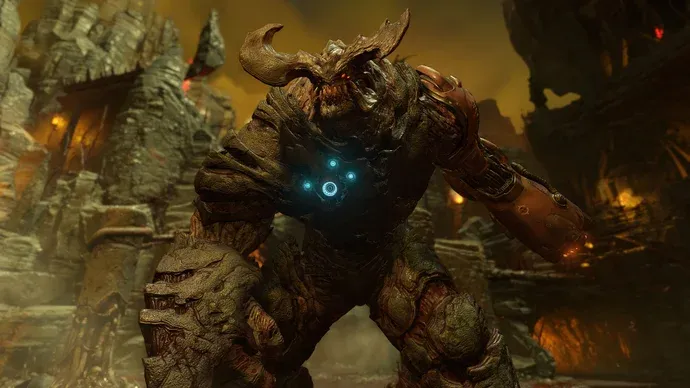
Hugo Martin, a director on the latest Doom entries at id Software, denied reports that id Software had been gutted after Microsoft announced 3,200 layoffs. Two weeks later, “current and former employees” are disagreeing with his optimism, complicating the picture for leaders watching Xbox cuts ripple across studios.
Two weeks after Microsoft announced 3,200 layoffs and sweeping cuts hit the Xbox division, even heavyweight studios are not being spared. id Software, the Doom and Quake team, became a flashpoint when early reports painted a very bleak picture of what Microsoft’s restructuring might do to a legacy FPS powerhouse.
Against that backdrop, Hugo Martin, director on the latest Doom entries, pushed back on the most dire claim: that id Software had been turned into little more than a support studio. In other words, Martin was telling the world not to read the layoffs as a gutting of the creative core, and not to assume the studio was being reduced to “keep the lights on” work.
But a few days later, the mood shifted. Eurogamer reports that “current and former employees” are disagreeing with Martin’s optimism. That is the key tension here: a public denial from a named creative director versus a contrasting account from insiders who are closer to day-to-day reality than any external narrative. Even without adding new numbers or specific allegations, the disagreement itself matters, because it signals that the internal experience of cuts and reorganization might not match the external reassurance.
Why does this kind of mismatch happen? In big tech-owned gaming ecosystems, layoffs are rarely just headcount reductions. They tend to come with shifts in priority, approval chains, and what gets protected versus what gets deprioritized. A legacy studio like id Software has built its identity on shipping first-person shooters, not on being a back-office service provider. So when the market hears “support studio,” it translates to something concrete: less autonomy, fewer resources for new work, and more constraint around what teams can attempt.
From a decision-maker’s perspective, the strategic question is not whether people feel optimistic or pessimistic. It is whether the studio’s production engine, and the incentives around it, remain intact after a corporate shake-up. When Microsoft hits Xbox with sweeping cuts, the money is obviously real. The human cost is real too. But the board-level follow-through shows up in subtler ways, including how quickly teams can make creative decisions, whether staffing reductions cause knowledge loss, and whether leadership attention moves away from long-cycle game development toward near-term output.
There is also a reputational layer. id Software is not a generic studio that can be swapped for another team without consequences. Its flagship franchises are a part of how players evaluate major publishers. Doom and Quake are brand signals. If external reporting implies id Software is hollowed out, it can change what partners expect, what talent assumes, and what players fear for upcoming projects.
Now add the timing. The source frames this as happening “two weeks” after Microsoft announced the 3,200 layoffs, and then notes that “a few days later” insiders disputed Martin’s optimism. That compressed timeline matters because it suggests the debate is emerging in near real time, not months into a vague transition. In other words, the first public story is being challenged quickly. That is often when internal truth meets corporate messaging, and the friction becomes visible.
For executives and investors, the second-order implication is straightforward but uncomfortable: studios can be resilient in public while still experiencing material internal instability. A director can deny being gutted, while current and former employees report a different lived experience. The gap between those viewpoints is where operational risk hides. It can affect scheduling reliability, cross-team coordination, and the confidence that teams have in their leadership pipeline.
If you are running a studio under a platform owner, watching this play out at id Software is a warning sign. Layoffs and sweeping cuts may come with assurances that the creative mission is protected. But when insiders push back against that narrative, the market gets a more complicated signal. And in games, complication is expensive, because development is long, recruiting is competitive, and the credibility of a franchise is hard to rebuild.
This story's Key Insights and Take-aways are locked.
Create a free account to unlock Executive Actions for one credit.
Register to UnlockAlways free for Executives Club members. Join the Club
More in Entertainment

12TB Steam 'teraleak' goes beyond Valve: GTA 3, Mafia 2 prototypes exposed
A 12-terabyte dump of Steam data reveals prototypes and builds of third-party classics like GTA 3 and Mafia 2, plus unreleased Valve content, rewriting game history.

LinkedIn's romance problem: 1 in 4 workers say dating on it is fair game
A new survey shows a quarter of U.S. employees treat the professional network as fair game for romance, even as LinkedIn bans it and removes hundreds of thousands of offending posts.

Enhypen's first No. 1 album breaks K-pop's Billboard 200 streak
The K-pop group's 98,000-unit debut tops the chart while Dolly Parton's catalog reentry shows how death reshapes streaming.