
U2 and Martin Garrix drop “Fireflies,” signaling U2’s album-era pop pivot
A new U2 single with Dutch house star Martin Garrix lands just as the Irish band heads toward an album release later this year.
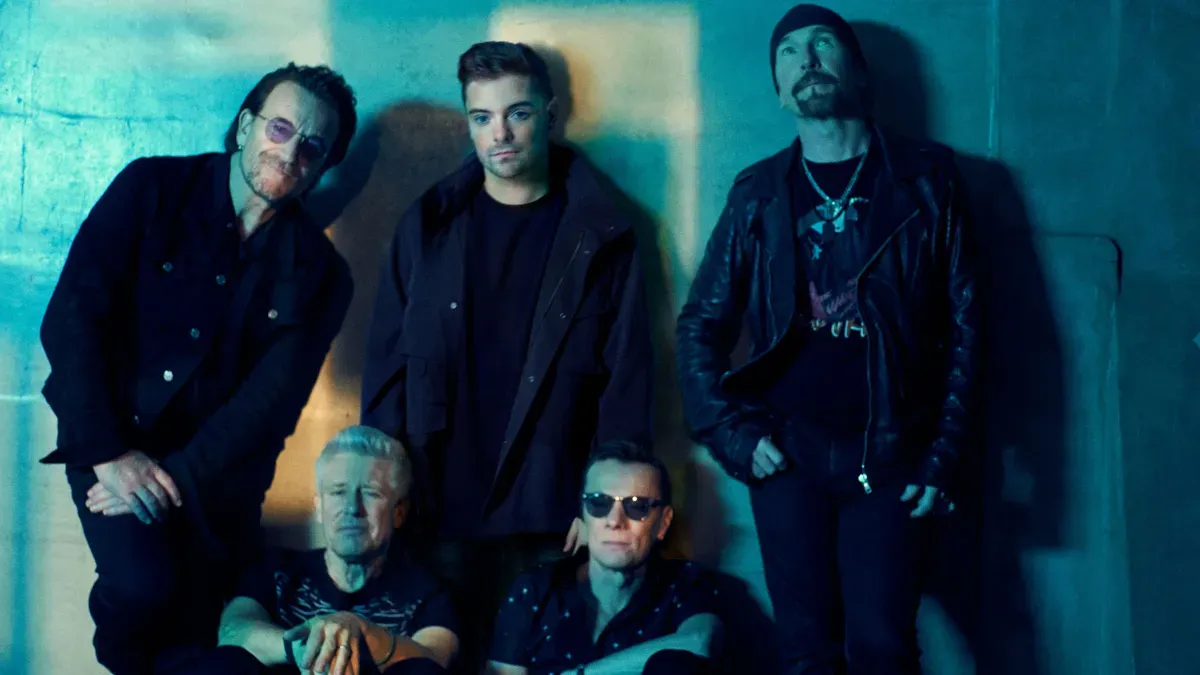
U2 and Dutch house DJ Martin Garrix have unveiled their new collaborative single, “Fireflies.” The release matters to decision-makers because it shows how major legacy acts use high-profile electronic collaborators to modernize sound ahead of an album cycle.
U2 and Dutch house DJ Martin Garrix have teamed up for a new single called “Fireflies.” It is streaming now, and the collaboration is exactly the kind of “two audiences, one track” move that can change the trajectory of an album-era rollout.
Why this matters: Garrix is a producer known for propulsive, modern dance energy, and the track is positioned to blend that with U2’s songwriting identity in a summertime hit format. The source frames it as an exchange of strengths, with Garrix’s touches bringing a modern pop swing to U2, while still using familiar elements for the Irish band. In plain terms, this is U2 testing the waters with a sound that feels current without abandoning what fans already recognize.
This also fits the timing: the Irish band is gearing up for an album drop later this year, and singles are the primary instrument for building momentum before an album lands. A collaboration with a chart-native electronic artist like Garrix can function like a marketing multiplier. It gives the release two clear discovery paths at once. Existing U2 listeners can meet the track through established brand power, while Garrix audiences can encounter U2 through a genre lens that may feel more immediate and club-ready.
From an industry incentives standpoint, the logic is straightforward. Labels and artist teams do not just want “a song.” They want a song that performs across streaming, social, and live attention cycles. Electronic collaborations often travel faster because they are naturally built for short-form clips, festival playlists, and radio formats that reward hooks. Meanwhile, a legacy rock act like U2 brings scale, global familiarity, and a storytelling reputation that can help electronic tracks reach listeners who do not typically follow house or EDM releases.
The collaboration itself is not brand-new territory for these two forces. The source notes that U2 and Martin Garrix have collaborated in the past. That matters because repeat collaborations usually signal that the first attempt worked, at least creatively or strategically. When artists return to the same partnership, it reduces uncertainty for the teams involved. You have evidence that the sound palette and cross-audience appeal are compatible.
There is also a governance and compliance angle that rarely shows up in mainstream music coverage but does matter behind the scenes. In music, there are constant considerations around rights, royalties, and usage permissions, especially when releases are optimized for streaming platforms and promotional placements. While the source does not list specific licensing mechanics, the very fact of a major label-aligned partnership between a globally established band and a chart-driving DJ implies that the teams will have to align on publishing, recording rights, and distribution terms. For executives, that alignment is not optional. It is the difference between a clean rollout and a rollout that gets tangled in accounting and clearance delays.
If you are on a board, invest in music-adjacent companies, or run a label, the second-order implication is simple: legacy artists are increasingly treated as modern consumer brands, not just catalog names. U2’s move with Garrix shows how album cycles can be used to refresh perception, broaden reach, and keep relevance in a world where discovery algorithms and playlist culture reward immediacy. This is not about “reinvention” in the abstract. It is about deploying a specific partner and a specific sound to make an album drop later this year arrive with a stronger narrative.
For peers in similar roles, the strategic stakes are clear. If you are an executive planning an artist rollout, you want to know whether partnerships can deliver measurable attention without diluting identity. If you are a creator or operator, you want to understand how legacy credibility and electronic propulsion can be combined into one product. “Fireflies” is not just a new track announcement. It is a signpost that U2 is actively using modern pop and electronic collaboration to set expectations for what comes next.
This story's Key Insights and Take-aways are locked.
Create a free account to unlock Executive Actions for one credit.
Register to UnlockAlways free for Executives Club members. Join the Club
More in Entertainment

'It's a Magic Trick': Ballet Experts Say Rosalía's SNL Pose Is Impossible
Three ballet experts tell Rolling Stone Rosalía's gravity-defying SNL stillness shouldn't be possible - and why the debate is now part of the show.

Activision CMO: GTA 6 Will Boost Call of Duty, Not Bury It
Activision's top marketer says Rockstar's blockbuster will drive players back to consoles and into Modern Warfare 4, even as the company admits its recent strategy failed.

Justice to Score GTA 6, Share New Song with Tame Impala, SZA, King Gizzard
Rockstar taps the French duo for the GTA VI score, and the first taste is a genre-melting collab with Tame Impala, SZA, and King Gizzard & The Lizard Wizard.