

Uber Cuts 3,300 Jobs as CEO Khosrowshahi Pursues Leaner Operation
The ride-hailing giant trims 10% of staff to sharpen focus and protect margins in a fiercely competitive market.

Uber CEO Dara Khosrowshahi announced layoffs of roughly 3,300 employees, about 10% of the workforce, as part of a sweeping reorganization. The move signals a strategic pivot toward operational efficiency and cost discipline that executives across tech should watch closely.
Uber is cutting roughly 3,300 jobs, about 10% of its workforce, in a sweeping reorganization announced by Chief Executive Dara Khosrowshahi. The layoffs, reported by The New York Times, mark one of the largest single reductions in the company's history and a decisive turn toward operational efficiency.
Khosrowshahi, who has led Uber since 2017, described the move as a bet on a "leaner organization" that can respond faster to market shifts and allocate capital more selectively. For executives watching from the sidelines, the number is less important than the signal: Uber is willing to sacrifice headcount to protect margins and sharpen strategic focus.
The reorganization comes at a moment when ride-hailing and delivery companies are under pressure to demonstrate durable profitability. Uber has spent years competing aggressively for market share, often subsidizing rides and deliveries to win customers. That playbook produced scale but also persistent losses, and investors have grown impatient with growth that does not translate into bottom-line results.
Regulatory headwinds add another layer of urgency. Governments in the United States and Europe have scrutinized how gig-economy companies classify their drivers, with some jurisdictions mandating employee status and benefits. A leaner corporate structure may give Uber more flexibility to adapt to these rules without carrying the overhead of a larger workforce.
The layoffs also reflect a broader trend across the technology sector, where companies that once prioritized hiring now emphasize cost discipline. From social media platforms to software firms, executives are re-evaluating headcount as a lever for efficiency. Uber's move is likely to resonate with boards and CEOs who are asking whether their own organizations have become bloated during years of cheap capital.
For peers in the mobility and logistics space, the reorganization offers a clear lesson: scale alone is no longer a sufficient defense. Competitors such as Lyft and DoorDash will be watching how Uber's leaner structure affects its ability to innovate and respond to competitive threats. If the bet pays off, it could set a new standard for how ride-hailing companies manage their cost bases.
The strategic stakes extend beyond Uber's own balance sheet. Khosrowshahi's decision to cut 10% of staff is a public acknowledgment that the company's previous trajectory was not sustainable. For other executives, the takeaway is to regularly stress-test organizational design against market realities, rather than waiting for a crisis to force action.
Ultimately, the layoffs are a bet that a smaller, more focused Uber can outmaneuver larger rivals and navigate regulatory complexity. The coming quarters will reveal whether the "leaner organization" delivers the agility and profitability Khosrowshahi promises. For now, the message to the market is clear: Uber is done with excess, and it expects the rest of the industry to take note.
This story's Key Insights and Take-aways are locked.
Create a free account to unlock Executive Actions for one credit.
Register to UnlockAlways free for Executives Club members. Join the Club
More in Business
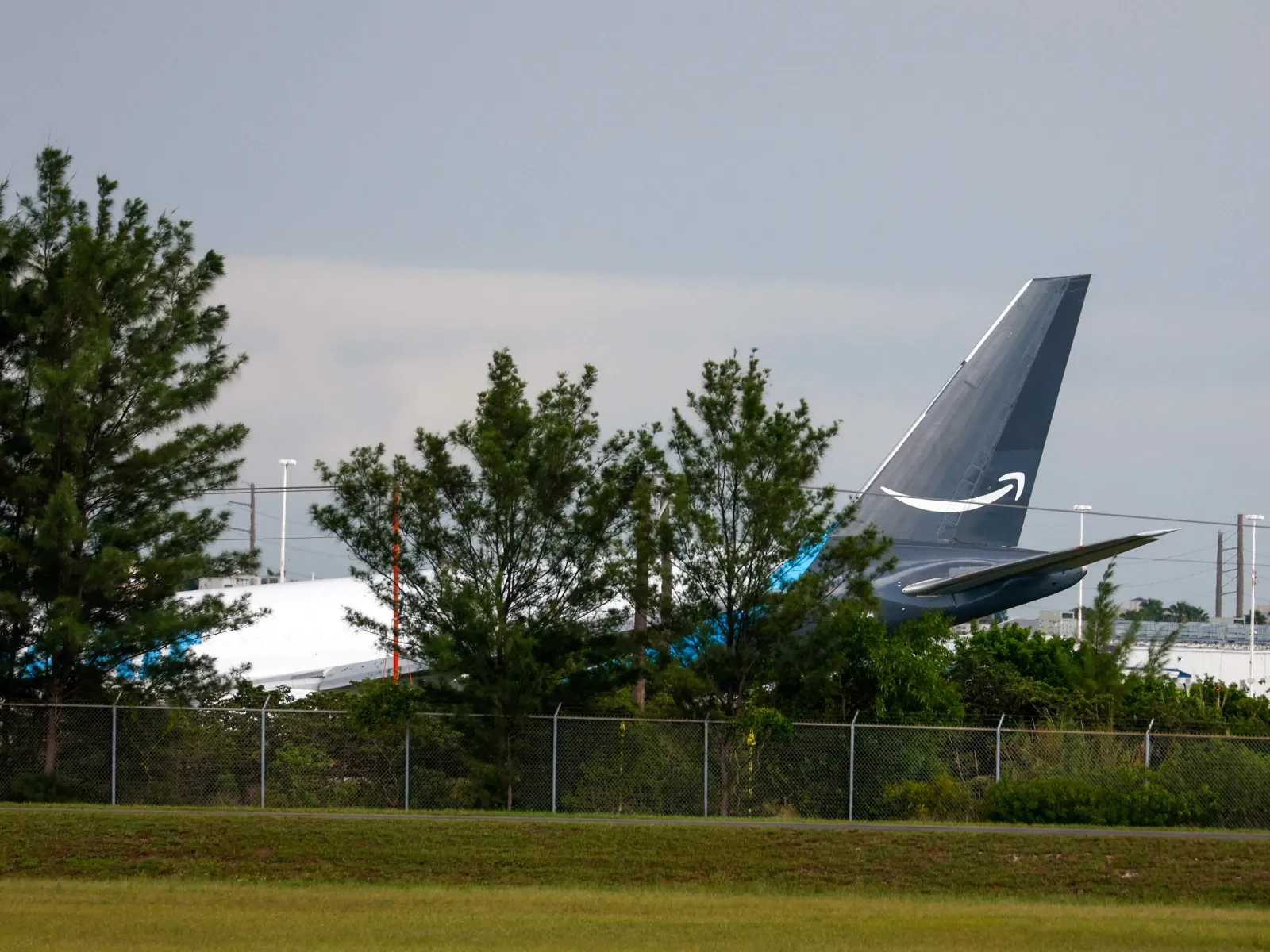
Amazon Prime Air 767 overshoots Miami runway, killing at least 5
The Boeing 767 freighter from San Juan struck vehicles and erupted in flames, prompting a ground stop and a fresh NTSB investigation into Amazon's air cargo network.

Death sentence for TV presenter Sarah Khalifa: Egypt's drug case hits media
The sentencing of Sarah Khalifa and 11 others underscores the severity of Egypt's anti-drug laws and the exposure of public figures to capital punishment.
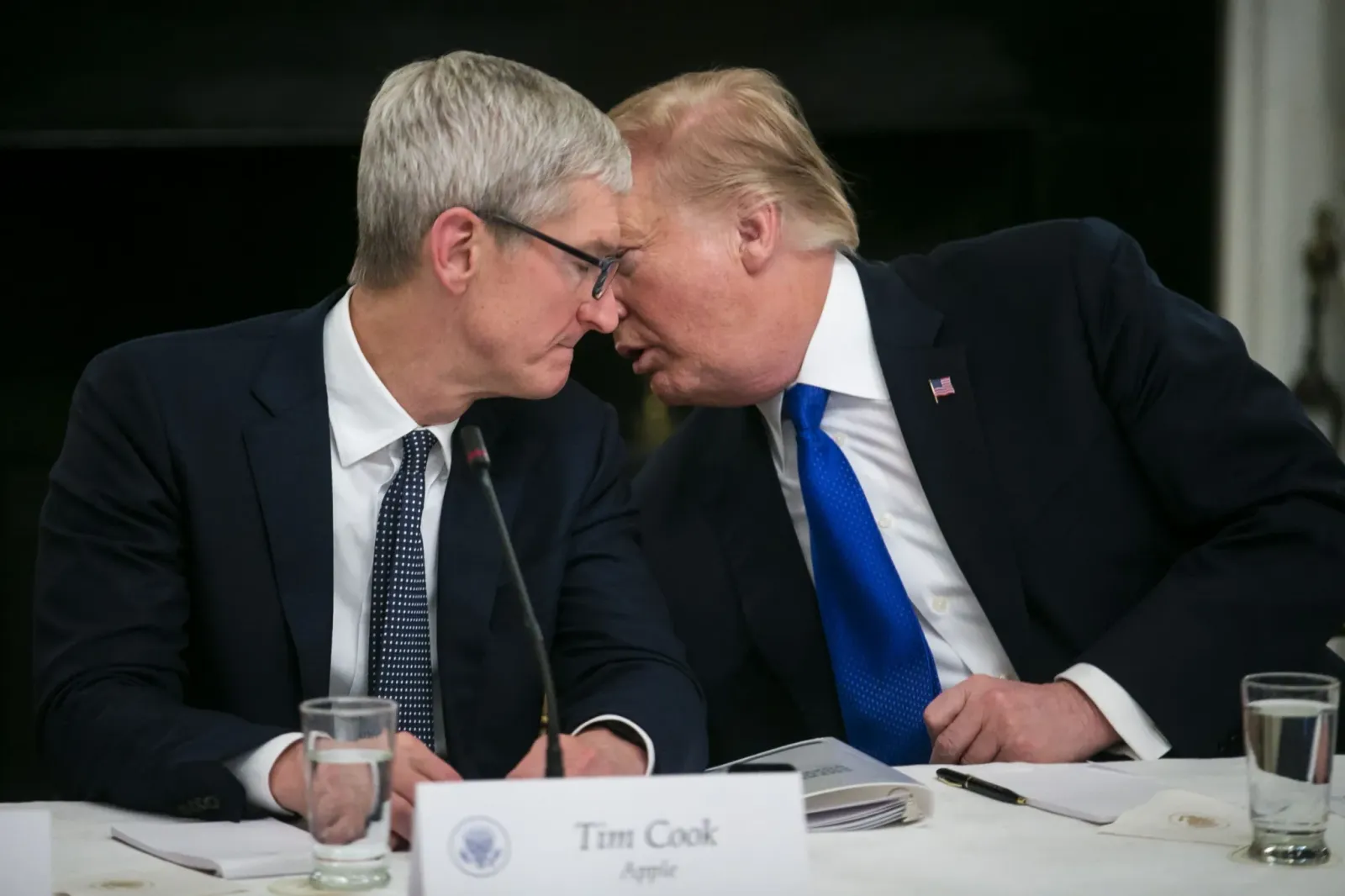
Tim Cook steps down as Apple CEO, stays on as chair with $45M equity
The 'Trump whisperer' keeps his White House and Beijing access as Apple navigates tariffs and a $4.6 trillion market cap.