
Uber quietly wires $500M to secure robotaxis as Waymo’s bid to sprint ahead looms
A quiet check signals the robotaxi race is moving from prototypes to procurement, with regulatory and capital stakes rising.
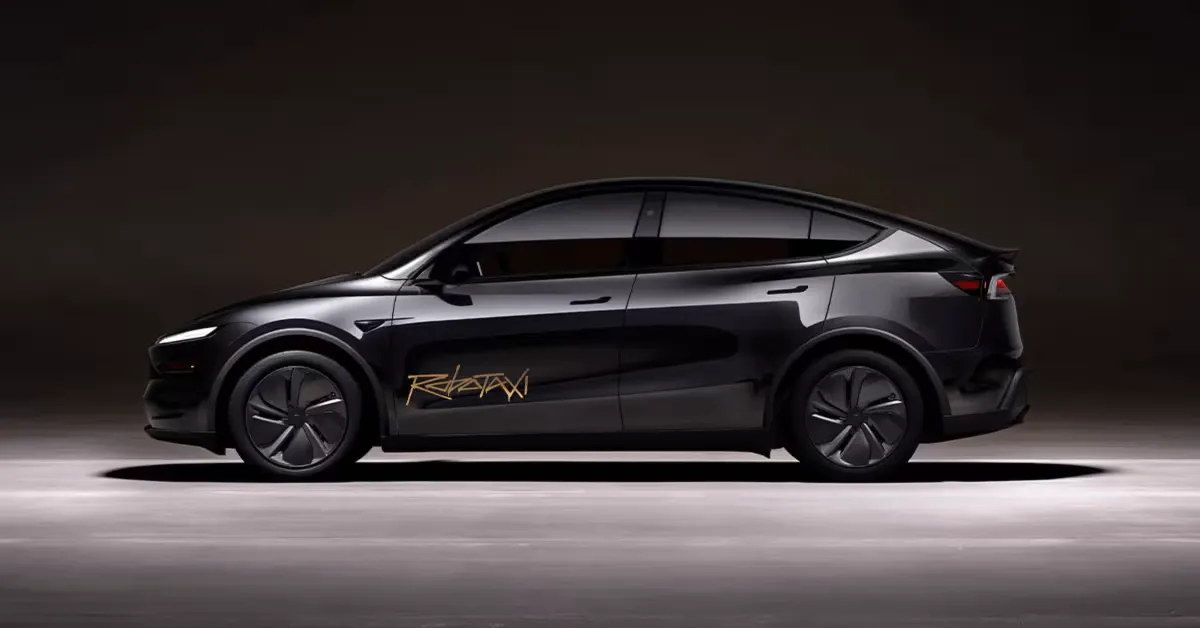
Uber is reportedly writing $500 million checks to secure robotaxis amid pressure from Waymo’s push forward. For decision-makers, it frames robotaxi deployment as a capital competition as much as a tech one.
Uber is reportedly quietly writing $500 million checks to lock in robotaxis, according to MarketWatch’s roundup of top stories. The point is not subtle: while Tesla and Waymo chase the robotaxi dream, Uber is spending big to make sure it is not left behind if the market tips toward whichever operator can launch faster and scale.
That $500 million figure matters because robotaxi wins are not awarded for demos. They are awarded for operational readiness, fleet availability, safety performance, and the ability to operate under real-world rules. The story frames this as an attempt to prevent Waymo from simply pulling away, leaving Uber to play catch-up after the critical early deployments.
Here’s the bigger context for executives: robotaxis sit at the intersection of hardware, software, and regulation. Even when a company has strong autonomy technology, it still needs approvals, partnerships, and permission to operate. Regulators generally do not treat autonomy like an app update. They want evidence, safeguards, and consistent performance. That makes time to deployment a strategic asset. If Waymo gets to market in a way regulators accept earlier, that can lock in lanes, partnerships, and public trust before competitors even know the rules of the road.
At the same time, capital allocation in this space is unusually blunt. There is no equivalent of “we’ll circle back next quarter.” Operators that can secure vehicles, compute, insurance-like risk coverage, and operational tooling earlier can convert technical progress into revenue signals sooner. That is why a large, early payment can read like procurement, not experimentation. When Uber is described as “quietly” writing these checks, the subtext for boards is that spending is being paired with urgency. Even if the company avoids loud announcements, the dollars are loud.
The robotaxi arms race also shifts bargaining power. In a market where cities and regulators can move slowly, the earliest operator that builds working relationships can influence how the rules get interpreted. If Waymo threatens to leave Uber behind, Uber’s response is essentially about preserving optionality. The $500 million checks are a way to keep flexibility while the autonomy landscape evolves, including the possibility that deployments accelerate faster than expected.
Second-order implication: this kind of spending can change how competitors think about “race” dynamics. Tesla and Waymo are each pursuing the robotaxi dream in their own way, but Uber’s approach suggests the race is no longer only about who has the best robot-brain. It is also about who can guarantee availability and execution. That can reshape how investors and boards evaluate management. If autonomy is the long-term bet, then deployment is the near-term scoreboard, and capital becomes the lever that controls whether you appear on the scoreboard at all.
For decision-makers at other transportation, mobility, or AI-adjacent companies, the lesson is straightforward: when regulators, safety, and operations are gating factors, the market increasingly rewards the company that can underwrite scale. A $500 million commitment is not just a line item. It is an administrative decision, a risk decision, and a signal to the ecosystem. It tells partners, cities, and talent that Uber intends to be a serious operator, not a spectator.
Ultimately, this story is about momentum. Uber is trying to prevent a scenario where Waymo’s progress forces it into reactive positioning. For boards and executives, the stakes are clear: in robotaxis, being late can mean losing access to prime launch windows, reputational lead, and the compounding network effects that come with early deployments. The check is the move. The race is the outcome.
This story's Key Insights and Take-aways are locked.
Create a free account to unlock Executive Actions for one credit.
Register to UnlockAlways free for Executives Club members. Join the Club
More in Business

SpaceX sells $25B in debt under two weeks after IPO, despite $90B in orders
The satellite and rocket company’s quick $25 billion borrowing move signals how it plans to finance scale after going public.
Accenture’s $4.18bn play fails as AI fears spark a 20% worst-ever stock plunge
On Thursday, Accenture hit its biggest one-day drop on record after forecasting worries that AI could hollow out consulting.

SpaceX stock jumps 3% after it overtakes Amazon’s market cap
CNBC says SpaceX’s shares surge following its IPO Friday, forcing investors to reprice what “space” and “AI” are worth.