

Uber shareholder suit alleges Dara Khosrowshahi ignored rider sexual-assault safety concerns
A minority investor claims Uber cut compliance corners and delayed safety steps, while Uber says the case is misleading.
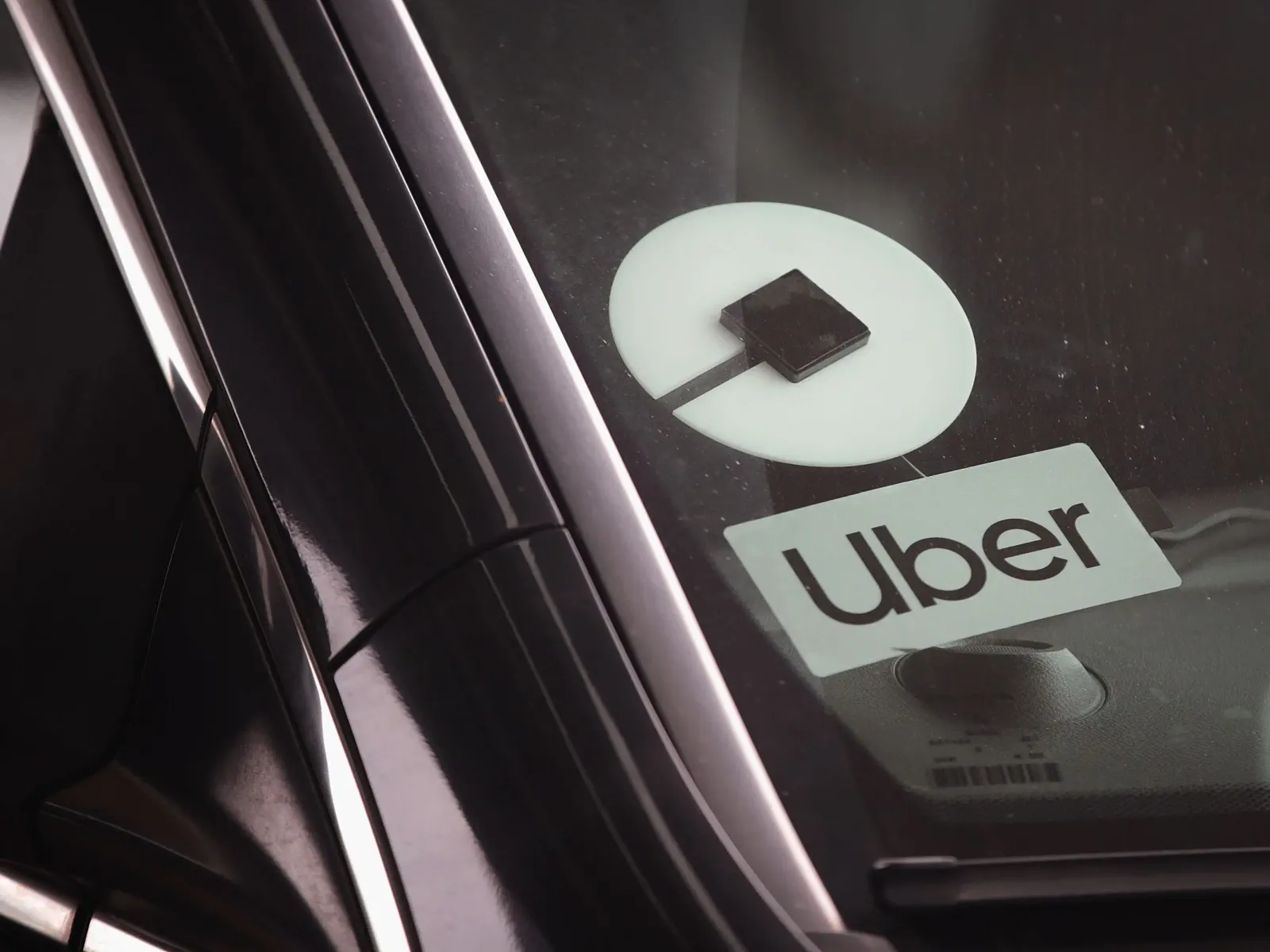
Detroit's Police and Fire Retirement System filed a shareholder lawsuit in California federal court alleging Uber and CEO Dara Khosrowshahi failed to respond adequately to thousands of rider sexual-assault claims. Uber disputes the allegations, but the suit spotlights how safety compliance decisions collide with cost and regulatory risk.
Uber’s top leadership is facing a fresh shareholder attack over rider sexual-assault allegations, and it is aimed directly at CEO Dara Khosrowshahi and the board. The complaint, filed in a California federal court on Monday by a minority Uber investor, Detroit's Police and Fire Retirement System, alleges the company “knowingly cut compliance corners in the name of growing the company.” Uber, through a spokesperson, says the lawsuit “ignores important facts and is based on misleading, false narratives.”
The lawsuit also lays out the central claim: Uber faces “significant liability” in defending these suits and responding to inquiries, on top of “the hundreds of millions of dollars at stake,” and it argues Uber’s reputation has been “irredeemably damaged” by negative ongoing media coverage of the wrongdoing. In other words, this is not framed as a one-off incident. It is framed as a recurring, system-level safety problem with oversight and compliance decisions at the center.
To understand why this particular lawsuit is getting attention beyond the usual legal cycle, you have to look at the incentives built into Uber’s model. Uber drivers are paid per trip or task and do not receive benefits typically tied to employment, such as healthcare. That gig-work structure is part of how Uber competes, but it also becomes a pressure point when safety obligations, compliance programs, and responsibility for harm start getting scrutinized. The lawsuit argues Uber’s gig model pushed safety and compliance behind growth priorities, even as sexual assault and misconduct allegedly persisted on the platform.
The complaint specifically accuses management of not doing enough to address the assault allegations. It says Khosrowshahi, who became CEO in 2017 after Travis Kalanick, “made cosmetic changes to Uber's compliance practices and workplace culture” and “became less brazen in pushing regulatory limits.” But the suit’s main thrust is that these changes did not tackle the underlying compliance approach. It alleges Uber kept skimping on compliance or even “seek[ing] to tamp down on complaints” because a culture of prioritizing cost-cutting remained in place.
The allegations get more concrete when the lawsuit points to specific safety initiatives Uber considered. According to the complaint, Uber knew sexual assault and misconduct were persistent problems on its platform, yet allegedly failed to adopt measures that employees believed could reduce harm. The suit highlights proposals including in-car cameras, more rigorous background checks, and programs meant to better match women riders and drivers. It claims Uber either implemented these proposals only after delays or rejected them.
One example is in-car cameras. The complaint says Uber studied adding cameras to drivers’ vehicles around 2017 and, in the lawsuit’s characterization, “found the plan to be feasible, cost-effective, likely to reduce the incidence of misconduct, and help drivers.” The suit further states Uber declined to add cameras because it would have meant exercising greater control over drivers’ activities, weakening Uber’s argument that its drivers are independent contractors.
That independent-contractor argument is not just a legal talking point. It is the core of Uber’s labor structure, and the lawsuit tries to show how that structure can collide with safety interventions that require more oversight. If the company can credibly claim drivers are independent, Uber can also argue it does not control day-to-day behavior. The complaint’s framing, however, is that Uber still studied safety measures and concluded they could help, then treated the compliance tradeoffs as acceptable to growth.
Uber’s response, through a spokesperson, is blunt: it says the lawsuit ignores important facts and is based on misleading, false narratives from other meritless lawsuits that the company says it has already addressed publicly and in the courtroom. Uber also says safety incidents are “exceptionally rare” on its app and that the company is “constantly working to make every trip safer.” The legal posture here matters. Shareholder suits often test not only what happened, but what the board and executives knew, when they knew it, and how they chose between competing priorities like compliance costs, product changes, and legal exposure.
For decision-makers in any platform business, the second-order question is the same: how will regulators, juries, and investors interpret the safety-compliance decisions that are made under uncertainty. The complaint alleges the board caused Uber “to engage in unlawful conduct,” leading to litigation costs, regulatory scrutiny, and long-term reputational damage. Whether a court ultimately agrees is unknowable from the source alone, but the direction is clear: when safety and compliance are treated as flexible, the price can become financial, regulatory, and reputational all at once.
This story's Key Insights and Take-aways are locked.
Create a free account to unlock Executive Actions for one credit.
Register to UnlockAlways free for Executives Club members. Join the Club
More in Business

A flaw in PHP just forced governments to pull their own sites offline
European agencies from Belgium to Germany took websites dark to patch a critical weakness in the language behind almost 70% of the web, and the blast radius extends far beyond government portals.

BioWare shuts down, Mass Effect 5 dead after $55B EA buyout
The legendary RPG studio's closure lands months after a $55 billion investment group buyout of EA, raising tough questions for gaming's biggest acquirers.
Musk weighs Tesla-SpaceX mega-merger as boards form review panels
Special committees at both companies will examine a tie-up that could fuse electric vehicles and space launch, forcing a fresh look at governance and valuation.