

Ubisoft sunsets Champions Tactics NFT game on October 30 after stripping Web3 in May
The servers close in months, and the blockchain pivot already turned NFTs into plain, fungible characters.
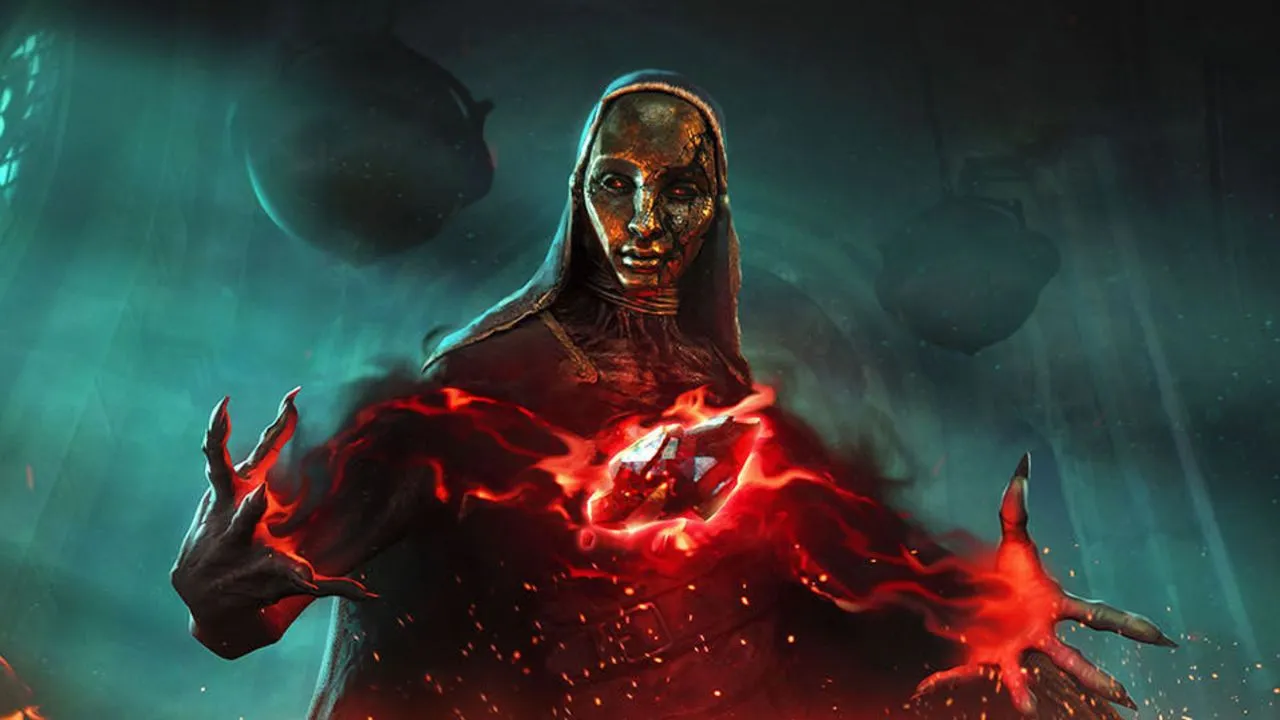
Ubisoft is sunsetting Champions Tactics: Grimoria Chronicles, an NFT tactics game, with servers set to shut down on October 30. The move lands after Ubisoft said in May it would progressively transition away from blockchain functionality, raising hard questions for decision-makers about Web3’s staying power in games.
Ubisoft is pulling the plug on its NFT tactics game Champions Tactics: Grimoria Chronicles. In an announcement on the game’s website and its official Discord, Ubisoft said the Champions Tactics servers will officially shut down on October 30, with the game remaining fully playable until then.
The closure comes after a quieter shift earlier this year. In May, Champions Tactics announced it would “progressively transition away from blockchain functionality” because of “upcoming changes to the blockchain infrastructure supporting the game’s Web3 features.” Ubisoft then removed the ability to mint and sell its NFT characters, with the marketplace having listed some characters for over $63,000 shortly after launch, and then converted players’ non-fungible characters into fungible ones “like the ones that are in a videogame.”
For executives, this is a clean reminder that Web3 games are not just product bets. They are infrastructure bets, lifecycle bets, and (often) customer trust bets. When Ubisoft built Champions Tactics in 2024, it did so well after the broader tech world had largely moved on from “quarter-baked Web3 feature pitches” and shifted attention to the emerging AI boom. Still, Ubisoft launched Champions Tactics as one of two NFT games it introduced in 2024, continuing a line of experimentation that has already been publicly defended and criticized.
The earlier context matters because it shows how long the runway was, and how many course corrections were promised. The source notes that Ubisoft faced backlash over fumbled “pay-to-earn” features, prompting the VP of its Strategic Innovations Lab to insist in January 2022 that “we simply ‘don’t get’ the value of NFTs.” Then in September 2022, Ubisoft CEO Yves Guillemot assured audiences that Ubisoft was only “researching” further Web3 integration and would pursue it “when we have something that gives you a real benefit.” In other words, the official narrative leaned on a future payoff. Champions Tactics ending on October 30 suggests the payoff did not arrive in time, or at scale.
There is also a product and economics wrinkle hiding in plain sight. When the game’s NFT features were removed in May, the marketplace-facing “mint and sell” mechanics disappeared. That means any value tied to the NFT characters had to be re-expressed inside the game. The source explains that players’ supposed non-fungible characters were converted into “thoroughly fungible ones” once the blockchain components were removed. If a customer expected NFTs to remain a durable ownership layer, that expectation collided with reality: fungibility is what players usually get when the blockchain layer is gone.
Ubisoft’s attempt to soften the blow shows up in the cross-game compensation. On May 21, Ubisoft announced eligibility for free stuff in Might & Magic Fates, a digital TCG it launched in February. The reward is tied to performance: players who reached Divine rank at least once during the last three seasons will be eligible. Might & Magic Fates is described as letting players earn and trade cards through an external marketplace powered by Immutable’s technology, intended to “enable and secure these exchanges.” So while Champions Tactics is being sunset, Ubisoft is not walking away from the broader trade-and-asset concept. It is redirecting it into another title and another infrastructure stack.
For decision-makers evaluating similar bets, the bigger signal is how quickly the blockchain path can become a dead end even after the game is live. Champions Tactics had one more moment of irony before this shutdown cycle: the source mentions that it previously entered the news cycle when a matchmaking bug forced ranked players to spend their first weekend continually connecting and immediately losing to the same baffled, unkillable guy. Even if that was a standard game-operational issue, it points to a common challenge for live-service Web3 titles: you need flawless day-to-day operations and robust partner infrastructure at the same time. Add “upcoming changes to the blockchain infrastructure” and the risk compounds.
The remaining players, according to the source’s look at the Discord, appear less energized by promises than by debate, with arguments about whether the game was a scam. The existence of those arguments matters because it affects what boards and investors ultimately measure: not just revenue, but reputational cost and customer goodwill. When a game shuts down, the financial ledger is only one part of the damage. Trust is the other, and trust is harder to rebuild.
At the strategic level, Champions Tactics closing on October 30 is a case study in the lifecycle fragility of Web3 features. Ubisoft has now sunset the game after stripping blockchain functionality in May, removing mint and sell capabilities, and converting NFT characters into fungible ones. If you are an operator, a founder, or a capital allocator watching the next “asset-backed” gaming pitch, the question is not whether the concept is interesting. It’s whether the business can survive when the underlying infrastructure changes, the product mechanics shift, and the promised ownership value evaporates faster than the audience’s patience.
This story's Key Insights and Take-aways are locked.
Create a free account to unlock Executive Actions for one credit.
Register to UnlockAlways free for Executives Club members. Join the Club
More in Business

Anthropic’s Levant Alpöge cracks the Jacobian conjecture after 87 years
A Harvard valedictorian used Claude to hit a 1939 breakthrough, but the missing “why” is the real problem.

Uber buys Delivery Hero for nearly $15B, vaulting to top food delivery outside China
The deal doubles Uber's dual-services footprint and pushes a ride-and-eats bundling play into 50 more markets.

Epic and Google drop settlement bid, forcing rival Android app stores by July 22
Google told the court it is ready to carry third-party app stores starting Wednesday, July 22.