

UK 10-year yields hit 5.268%, highest since 2008, as bond rout deepens
Global bond sell-off pushes UK borrowing costs to a 17-year high, threatening the chancellor's budget headroom and forcing a reckoning on fiscal promises.
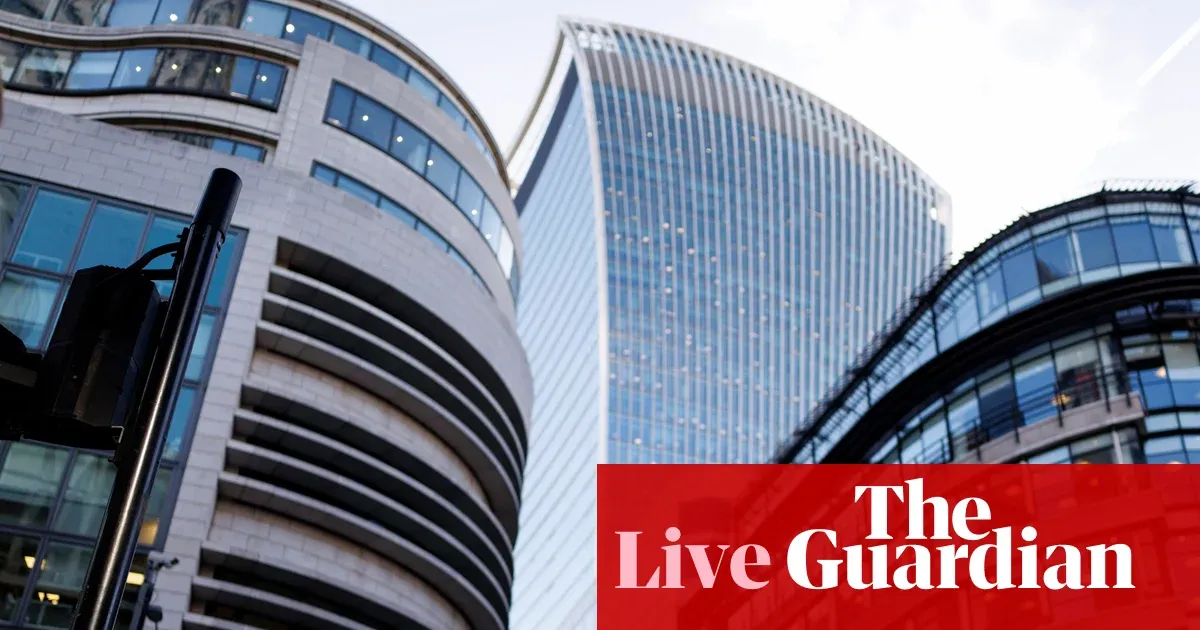
UK 10-year government bond yields jumped to 5.268%, the highest since June 2008, as a global sell-off intensified amid US-Iran tensions and inflation fears. For CFOs and treasurers, this signals sharply higher refinancing costs and a potential squeeze on fiscal headroom that could reshape government spending and borrowing plans.
The UK's 10-year government bond yield jumped to 5.268% at the start of trading, the highest level since June 2008, as the global bond market sell-off showed no signs of letting up. That 4-basis-point move on the day may sound small, but it lands like a sledgehammer on the chancellor's budget arithmetic: every basis point of yield on 10-year gilts adds roughly £1.6 billion to annual debt interest costs, and the current trajectory could halve the fiscal headroom that was already razor-thin. For anyone running a balance sheet, this is the market's way of saying that the era of cheap government money is over, and the cost of that reality is now being priced in real time.
The immediate trigger, according to Reuters, is the renewed escalation between the US and Iran, with attacks on Iranian military and tanker targets raising concerns over further disruption in the Strait of Hormuz. Oil has extended to a six-week high, amplifying inflation concerns and driving another sharp rise in global bond yields. The logic is straightforward: higher energy prices feed into consumer prices, which forces central banks to keep interest rates higher for longer, which in turn makes existing bonds less attractive and pushes yields up. The UK is not alone in this - the sell-off is global - but it is particularly exposed because of its large current account deficit, heavy reliance on foreign investors to buy gilts, and a fiscal position that leaves little room for error.
The market rout stepped up a year yesterday and shows no sign of stopping, according to the Guardian's rolling coverage. Governments around the world are feeling the pressure from bond markets, but the situation is particularly acute for the UK, where Andy Burnham's grand promises about reforming the economy are about to meet the cold reality of high debt levels and rocketing borrowing costs. Burnham, the mayor of Greater Manchester and a prominent Labour figure, has been vocal about the need for a 'London-centric' economy to be rebalanced, but his ambitions for devolution and infrastructure spending now collide with a bond market that is demanding a higher risk premium on UK debt. The political dimension is unavoidable: whoever is in power, the headroom for new spending is evaporating.
For context, the last time UK 10-year yields were this high, Gordon Brown was prime minister and the global financial crisis was just beginning to unfold. The current level is not yet at the panic peaks of 2022, when the mini-budget sent yields above 4.5%, but the direction of travel is unmistakable. The bond market is effectively voting on the credibility of UK fiscal policy, and the verdict so far is that the government's borrowing plans are not sufficiently backed by a credible path to lower debt. This is a classic confidence game: if investors start to doubt the ability to service debt, they demand higher yields, which makes the debt more expensive, which worsens the fiscal picture, which feeds the doubt. The UK is now in that loop.
The implications for corporate treasurers and CFOs are direct. Government bond yields are the benchmark for corporate borrowing costs, so a sustained rise in gilts will feed through to higher interest rates on new loans and refinancing for companies across the economy. For firms with floating-rate debt, the pain is immediate; for those with fixed-rate maturities coming due, the refinancing cliff just got steeper. The Bank of England's base rate may be on hold, but market rates are what matter for new issuance, and they are moving against borrowers. This is not a drill.
There is also a second-order effect on the housing market and consumer confidence. Mortgage rates, which track gilt yields, are likely to edge higher, adding to the cost-of-living squeeze that has already dampened consumer spending. For retailers, hospitality, and any business reliant on discretionary income, this is a headwind that will show up in earnings over the next few quarters. The bond market is not just a financial indicator; it is a transmission mechanism into the real economy, and the signal it is sending is that the cost of capital is going up.
For the chancellor, the math is brutal. The fiscal headroom - the buffer between planned spending and the government's self-imposed borrowing rules - was already thin, and a 100-basis-point rise in yields could wipe out most of it. That means either tax rises, spending cuts, or a relaxation of the fiscal rules, none of which are politically palatable. The Guardian's view is that politicians like Burnham should take note: the bond market is a disciplinarian that does not care about manifesto promises. The era of 'whatever it takes' fiscal expansion is over, and the market is now the arbiter of what is affordable.
For executives and boards, the takeaway is to stress-test your own refinancing plans against a scenario where gilt yields stay elevated or rise further. The global bond sell-off is not a UK-specific problem, but the UK's fiscal position makes it more vulnerable. If you have debt maturing in the next 12 to 18 months, consider locking in rates now rather than waiting for a better deal that may not come. And watch the Strait of Hormuz: every escalation there is a direct line to your cost of capital. The bond market is speaking, and it is saying that risk is back with a vengeance.
This story's Key Insights and Take-aways are locked.
Create a free account to unlock Executive Actions for one credit.
Register to UnlockAlways free for Executives Club members. Join the Club
More in Business
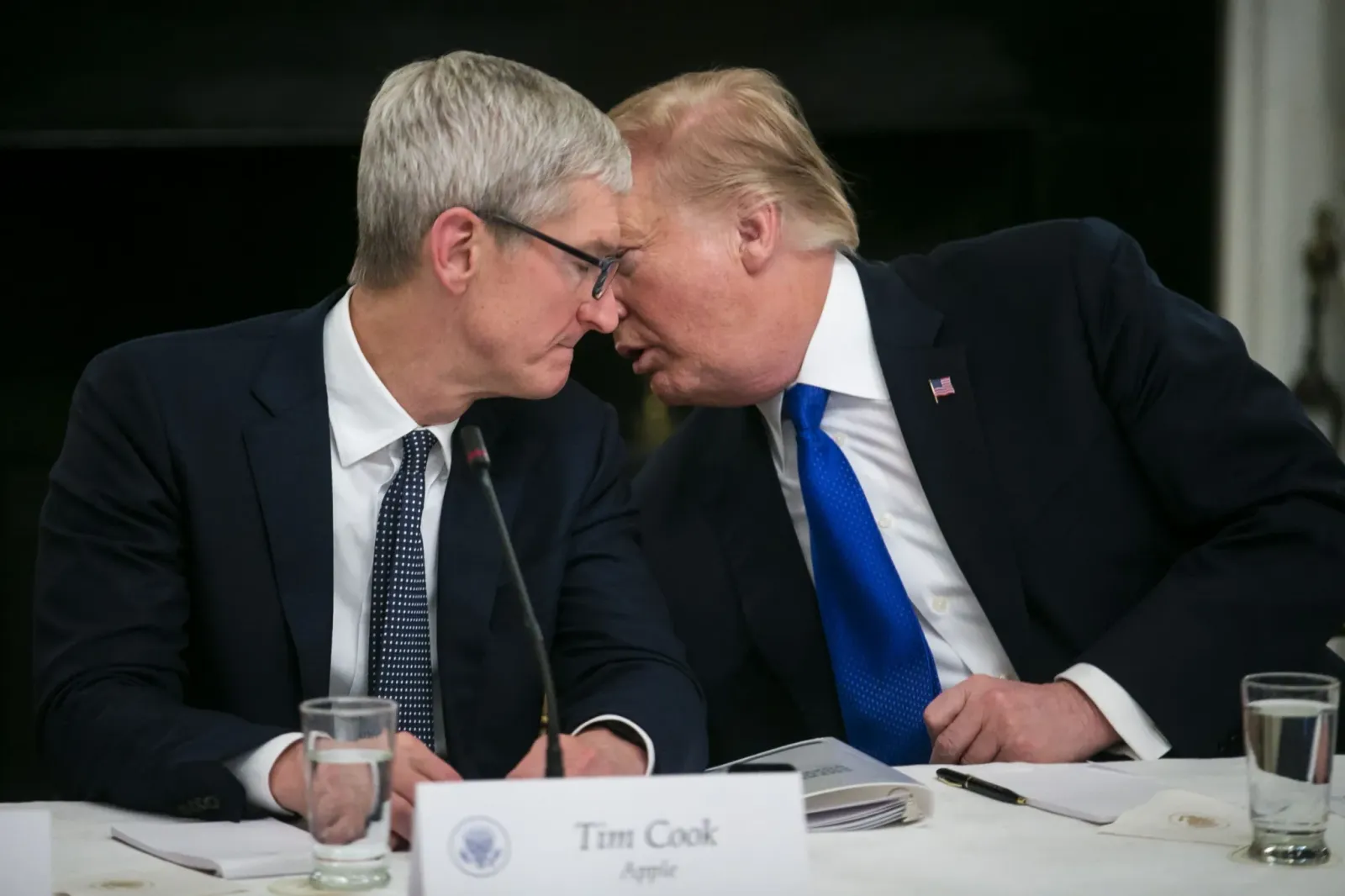
Tim Cook steps down as Apple CEO, stays on as chair with $45M equity
The 'Trump whisperer' keeps his White House and Beijing access as Apple navigates tariffs and a $4.6 trillion market cap.

Snowflake shares surge as AI data demand crushes estimates, lifting full-year forecast
Stocks jumped on stronger-than-expected guidance, signaling enterprise AI workloads are accelerating faster than Wall Street priced in.

Tim Cook's 15-year Apple CEO run ends: 3 lessons for any successor
After 15 years, Tim Cook hands Apple to John Ternus - here's how he turned a $350B company into a $4.6T juggernaut.